Tiwanaku

  |  2 Comments

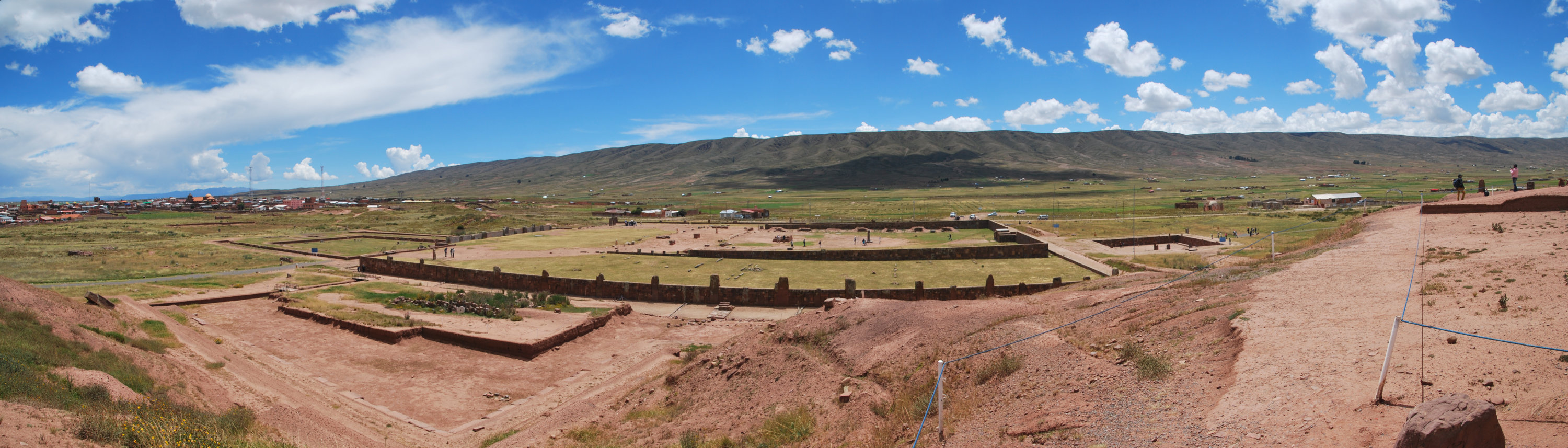
A couple of hours drive from La Paz is Tiwanaku. Pre colombian, pre Incan civilisation. Not a huge amount is known about them, but they certainly had sophisticated agriculture and astronomical skills.

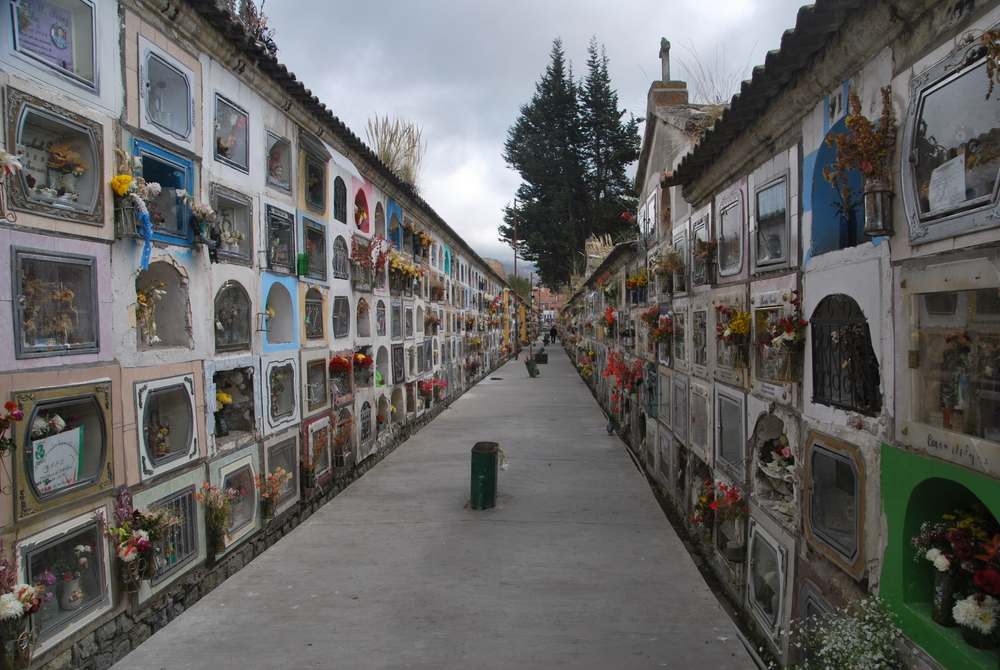
To get the bus, we headed into the cemetery district.

01-DSC_001102-DSC_0016

It wasn’t obvious where exactly the busses left from, again, Open Street Maps to the rescue (link to busses)

1-DSC_0018 - DSC_0022

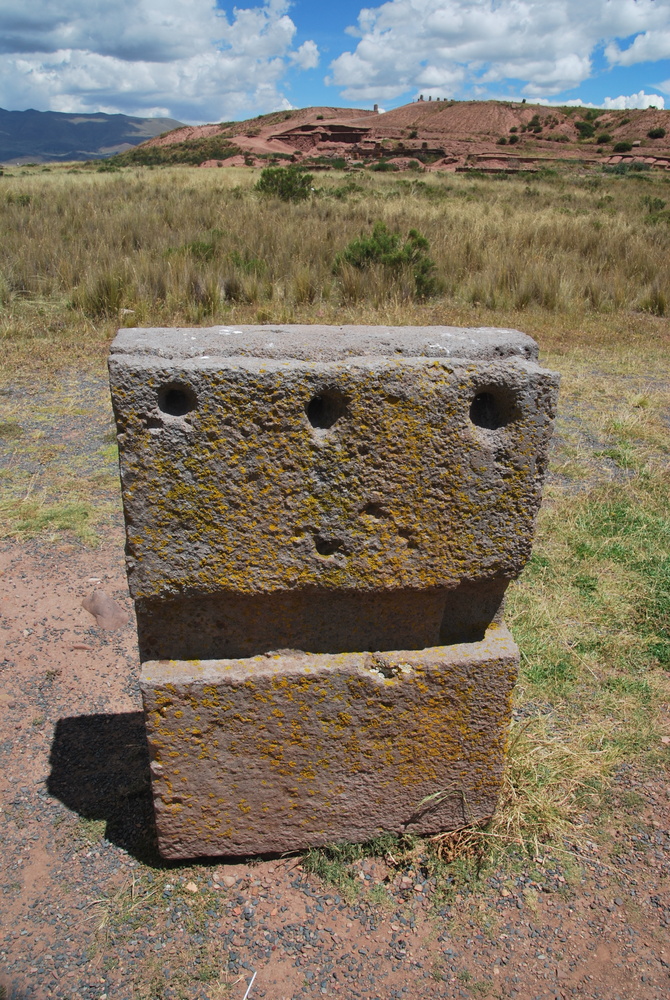
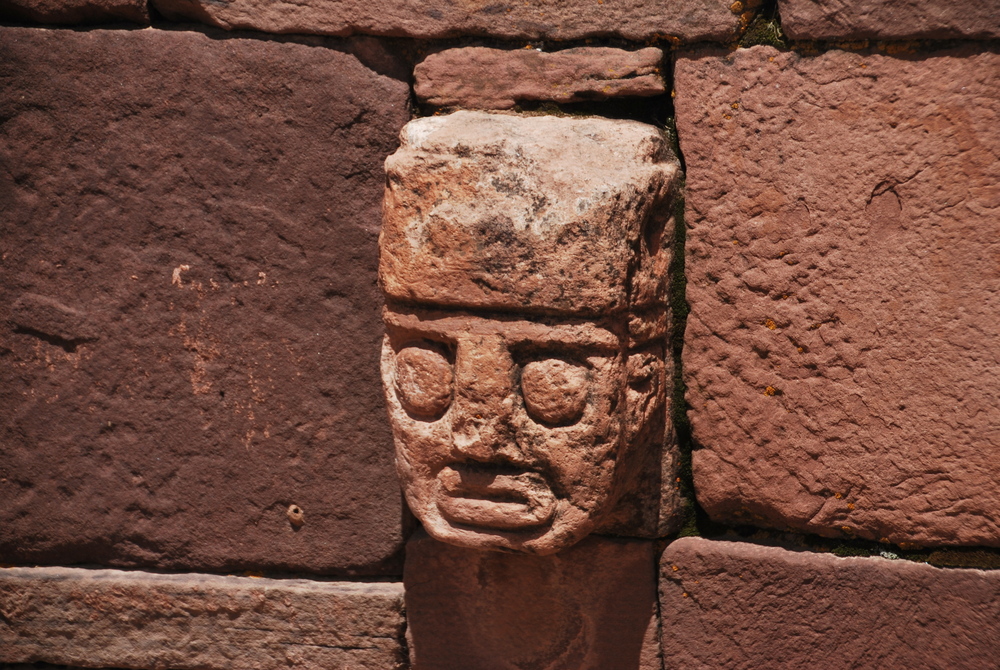
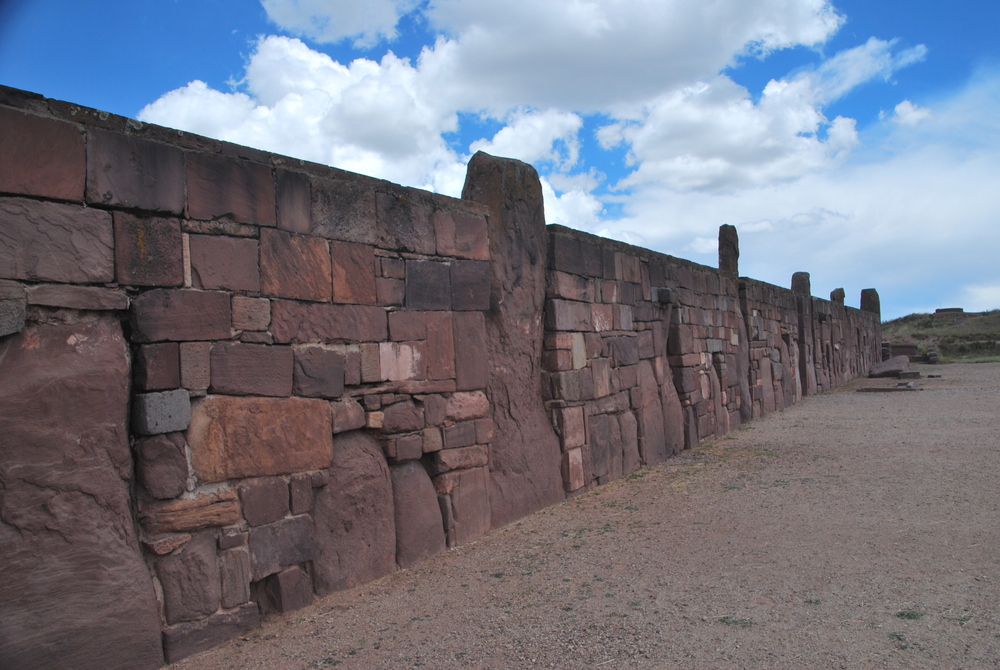
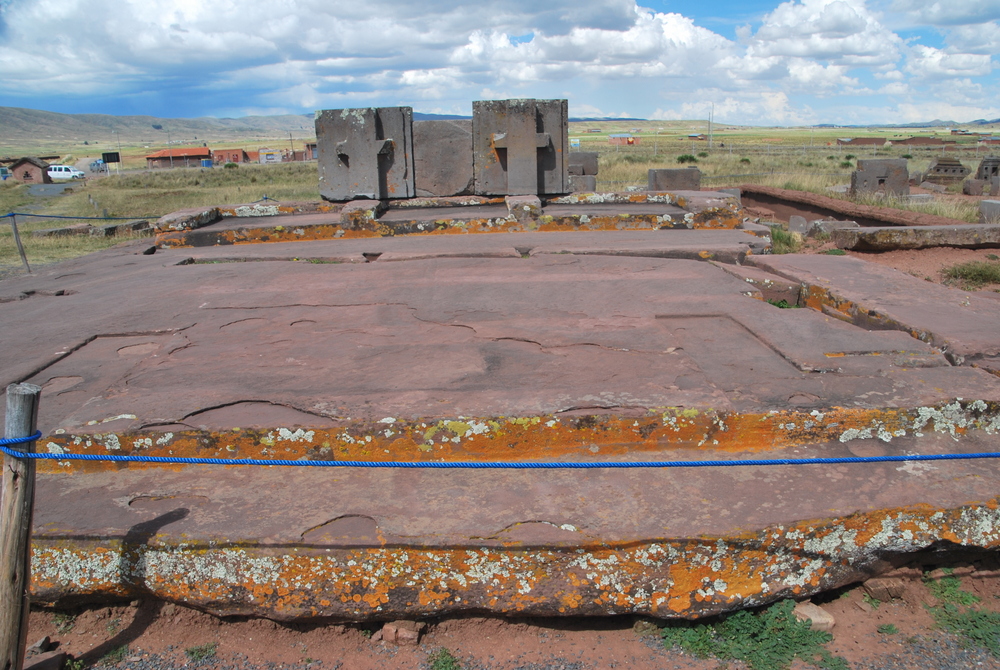
We didn’t go with a guided trip, partly for the fun of working it out ourselves & partly ā€˜cos budgets are a thing. So, I’m afraid I can’t talk too much about what the various areas were used for. Here’s some fancy stonework.

03-DSC_002704-DSC_003105-DSC_0043

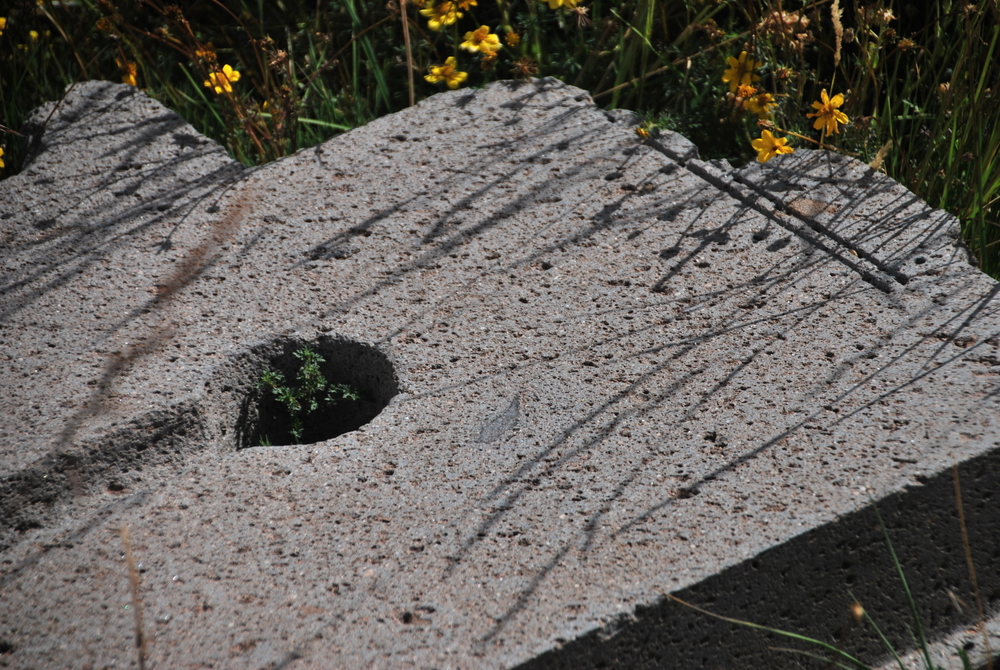
In the dimpled rock above, they’d actually drilled holes right through. It’d be interesting to see the techniques they used.

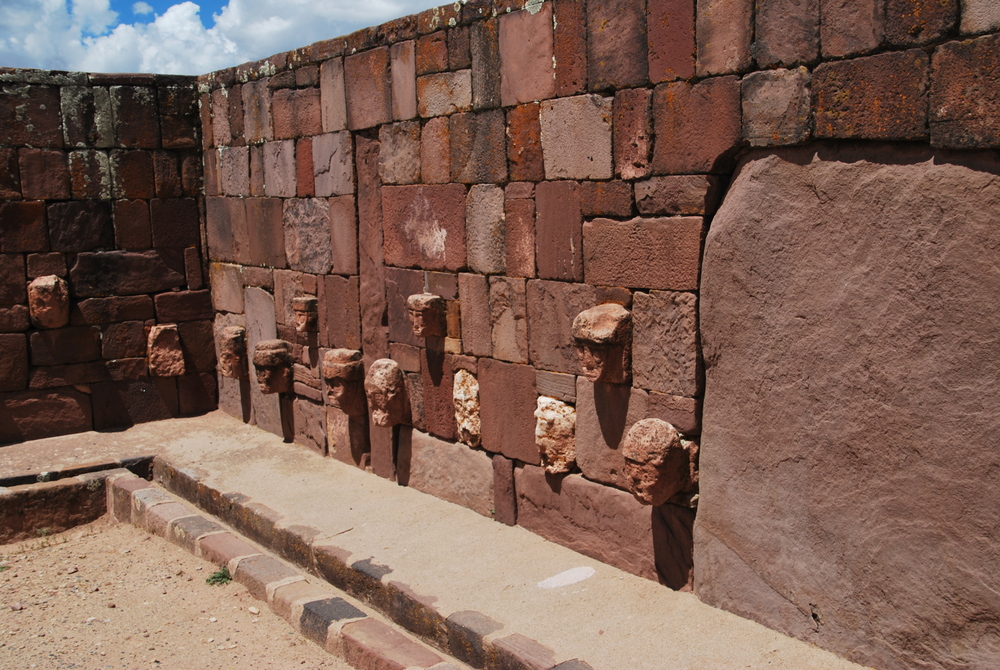
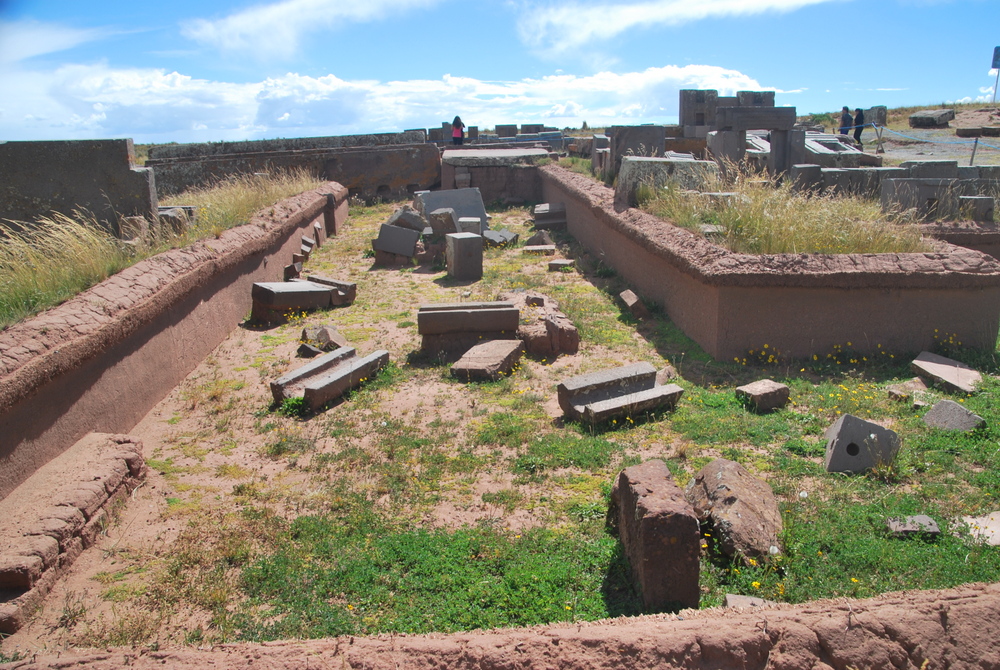
Below you can see the subterranean temple, one of the more complete parts, though again, I’m afraid I’m not sure if this is ā€œoriginalā€ or restored (with bits and pieces from all over the place).

1-DSC_0037 - DSC_004206-DSC_004407-DSC_004808-DSC_0052

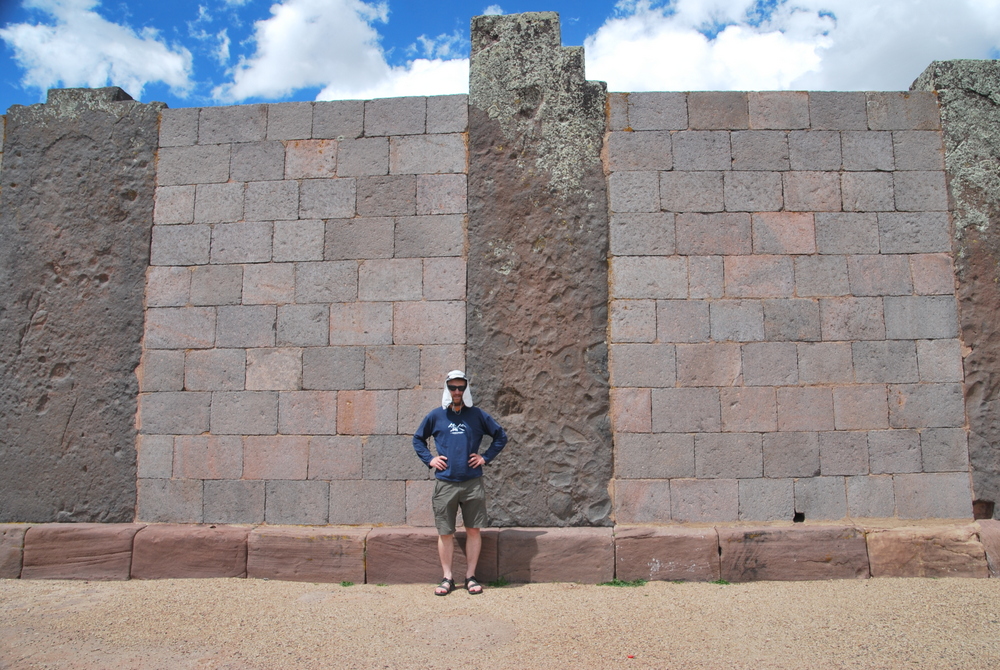
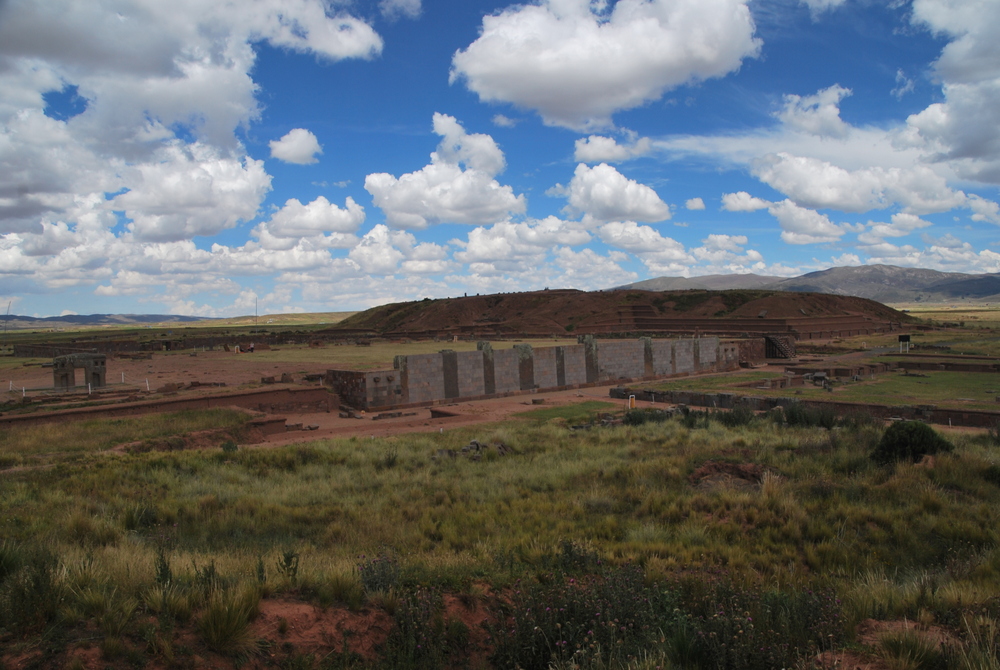
The walls were amazing. However, they were reconstructed and apparently not as perfectly made as the originals would have been. Still, you can see how regular the blocks are, it’s some impressive construction. Some of these columns are incredibly heavy (25 tonnes ish).
09-DSC_005316-DSC_0075

Some of the rocks came from across Lake Titicaca, which Tiwanaku used to be close to the shores of (no more! – now a good 10km away)

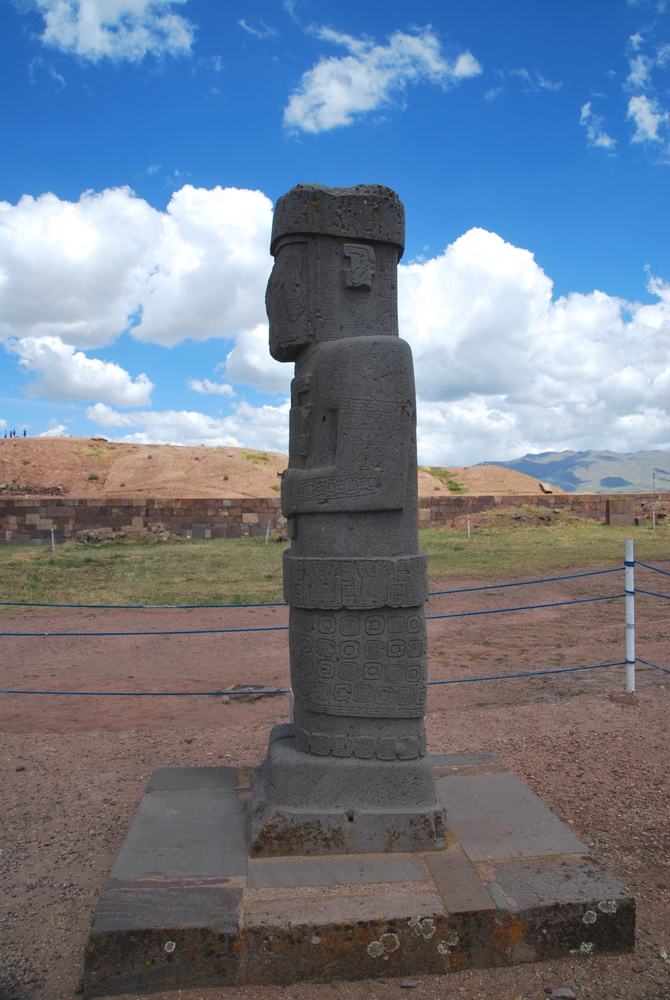
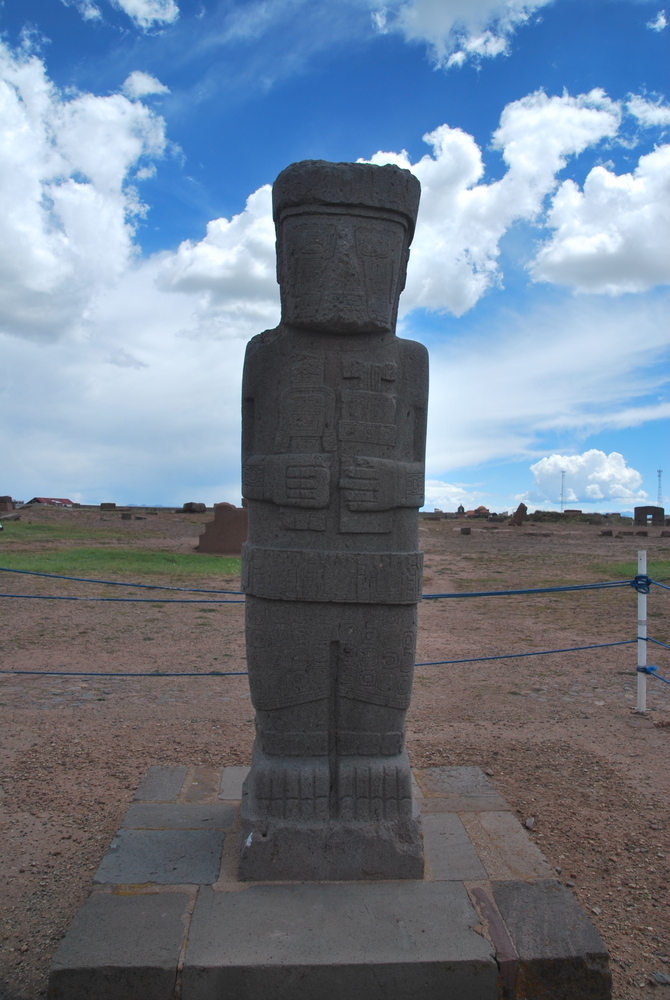
Below you can see the Gate of the Sun. It has been moved (they think) from its original position. Made in ~500AD. They still don’t know what the figures really represent. Its likely the door was used for astronomical/astrological purposes.

10-DSC_005411-DSC_005912-DSC_006513-DSC_0070

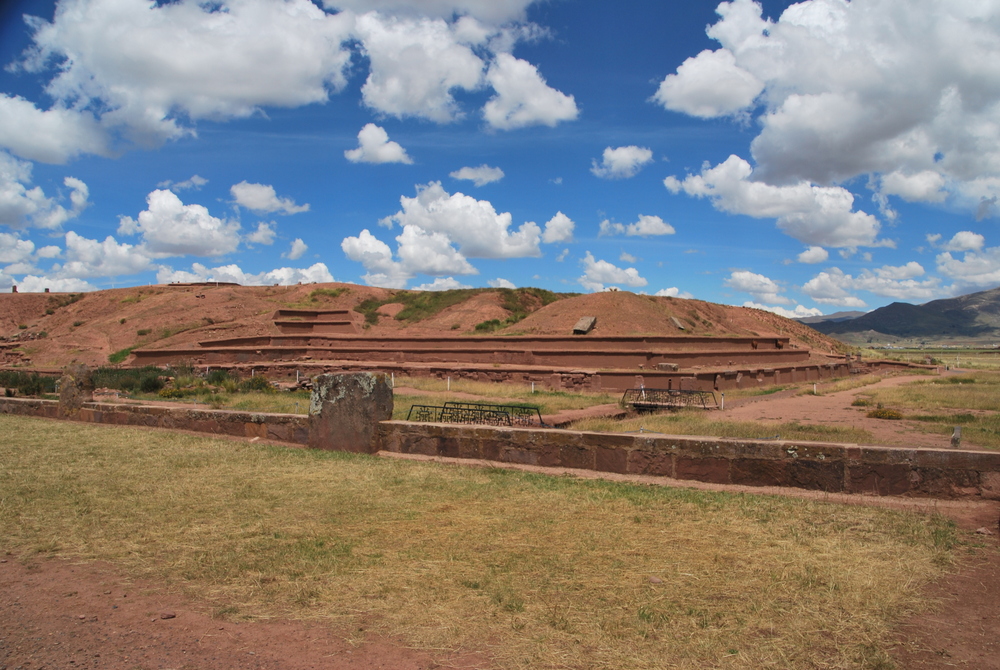
Here you can see the pyramidal structure called the Akapana. Partly destroyed by looters back in the day. It’s unfortunate to see the llamas running around on this UNESCO site..

14-DSC_007215-DSC_0073

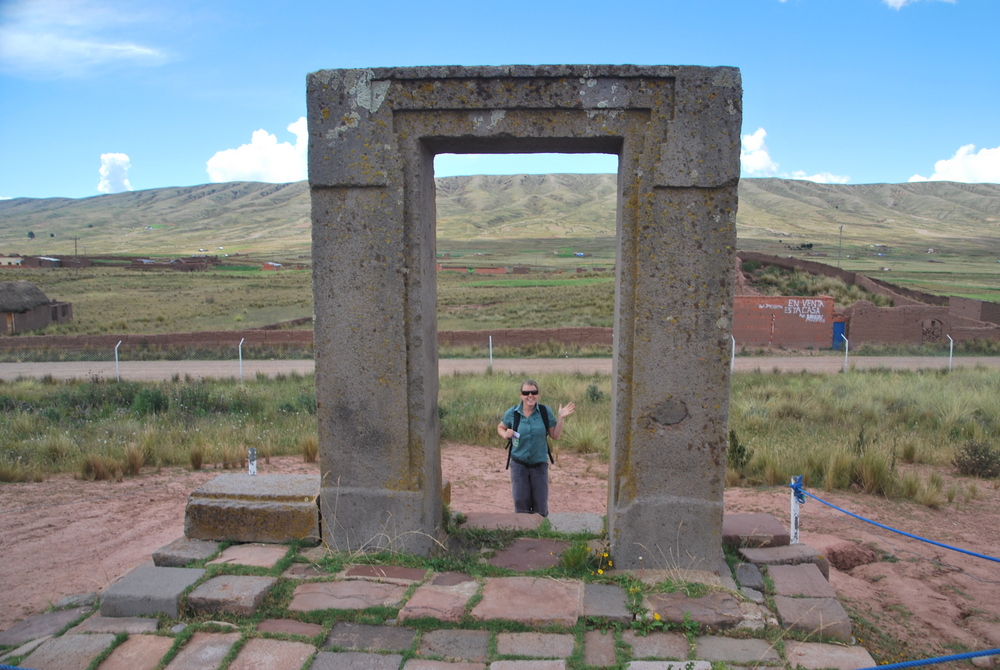
Below is Maaike with the moon door, not as ornate as the Sun door.

17-DSC_008618-DSC_009219-DSC_0098

Also stopped in at Pumapunku, another site 500m or so away from Tiwanaku. Again, some extremely detailed stone work. It also contains the largest slabs, weighing in at around 131 metric tonnes.

20-DSC_009921-DSC_010322-DSC_010423-DSC_0109

And then it was time to head home. We had a somewhat interesting time of it, taking a local bus which dropped us in El Alto, rather than back at the cemetary area. We opted to walk to the cable car (4km). I don’t think we’d have done it in the dark, as El Alto doesn’t have the best reputation in the world, but still, it was fine enough in daylight.

La Paz

  |  0 Comments

All too soon it was time to say goodbye to Sucre. Maaike had put the fear of God into me about the buses in Bolivia, however, it turned out to be the nicest bus that we’d had the entire trip. There was a small blip (quite normal) before getting the bus, there was a protest on, so we had to get a minibus from the bus station to the actual bus. So our real bus stopped outside of town and we just connected in with it.

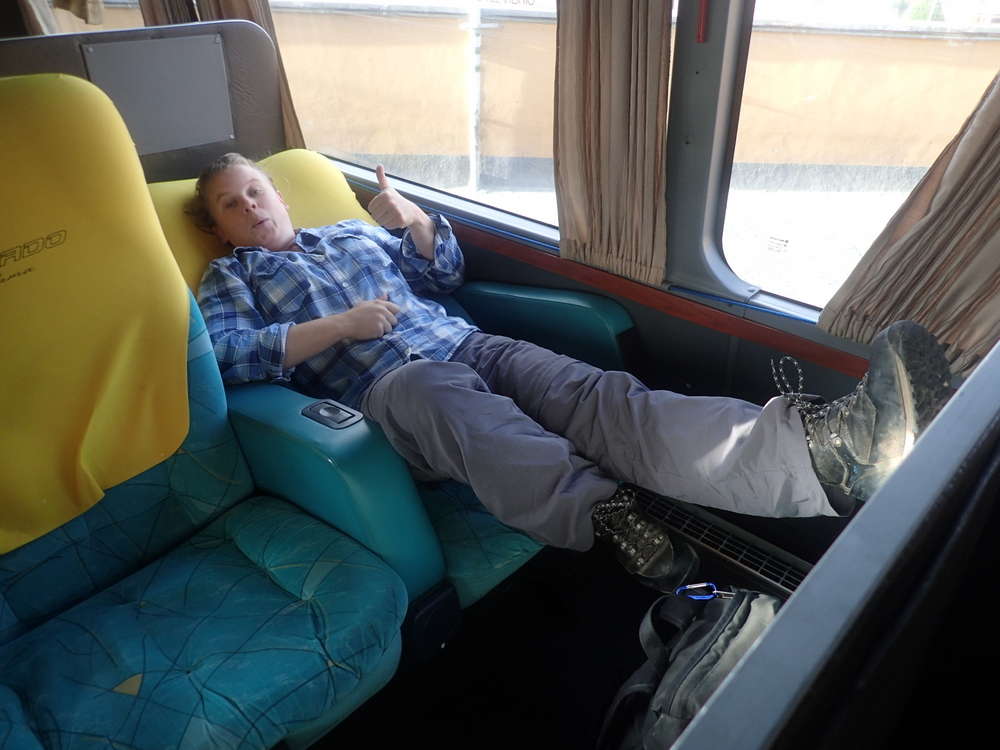
Nice seats though, here Maaike is showing off what ā€œFull Camaā€ looks like. It really was a comfortable way to travel, and even I slept a bit ;)
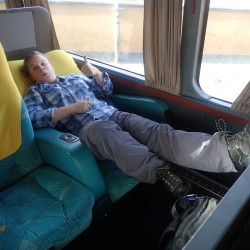
01-P3310001

The hostel we were staying at ā€œArthysā€ was just around the corner from the bus station, which was handy. Again, was very very thankful to our friend Alex whom we met on the boat to Antarctica with the suggestion of the OSMAnd+ app. So many people had little printed out pictures of Google Maps.. (even though you can get offline versions). Anyway, love OSM.

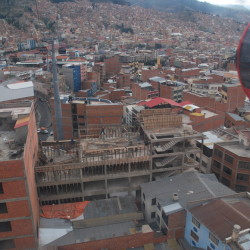
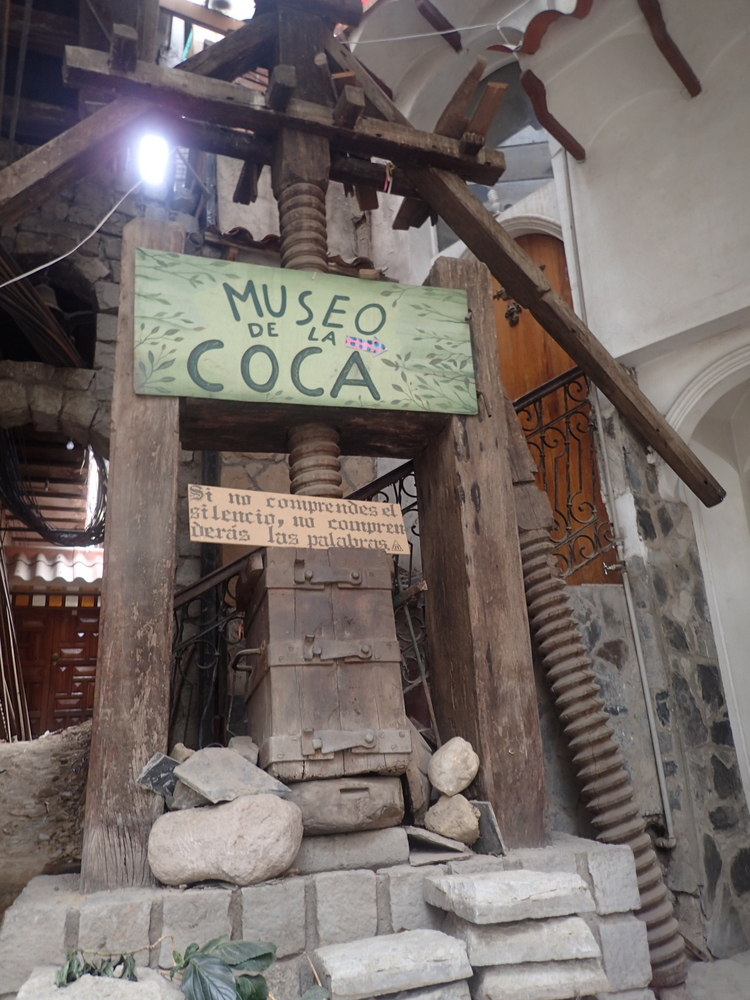
First impressions of La Paz. Lots and lots of cars and a reasonable amount of associated pollution, that said, it has a nice feel to it. We took in a quick trip to the Museo de la coca.
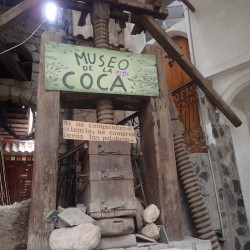
02-P3310004

It was a very interesting museum which I would recommend. Chewing Coca leaves happens throughout at least Bolivia and Peru at altitude. It does seem to help with the symptoms, and is a mild stimulant. There seems to be lots of (mis)information on the Internet (who’d have thought?!) but it seems the alkaloids (incl cocaine) are released when chewing. That said, it’s in relatively small doses and apparently not addictive. Certainly in a lot of the hostels you visit there are coca-leaves available for making tea with, and, like I said, it does help with the altitude.

The miners use coca religiously and, back in the day, it was more expensive than gold. Interestingly, the Spanish banned coca to begin with, then realised that their workers became a lot less efficient / able to work the ridiculously long hours, and so reinstated the use of coca and … taxed & regulated it.
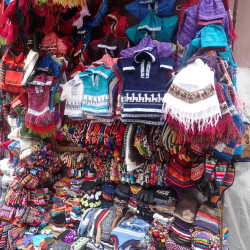
03-P3310005

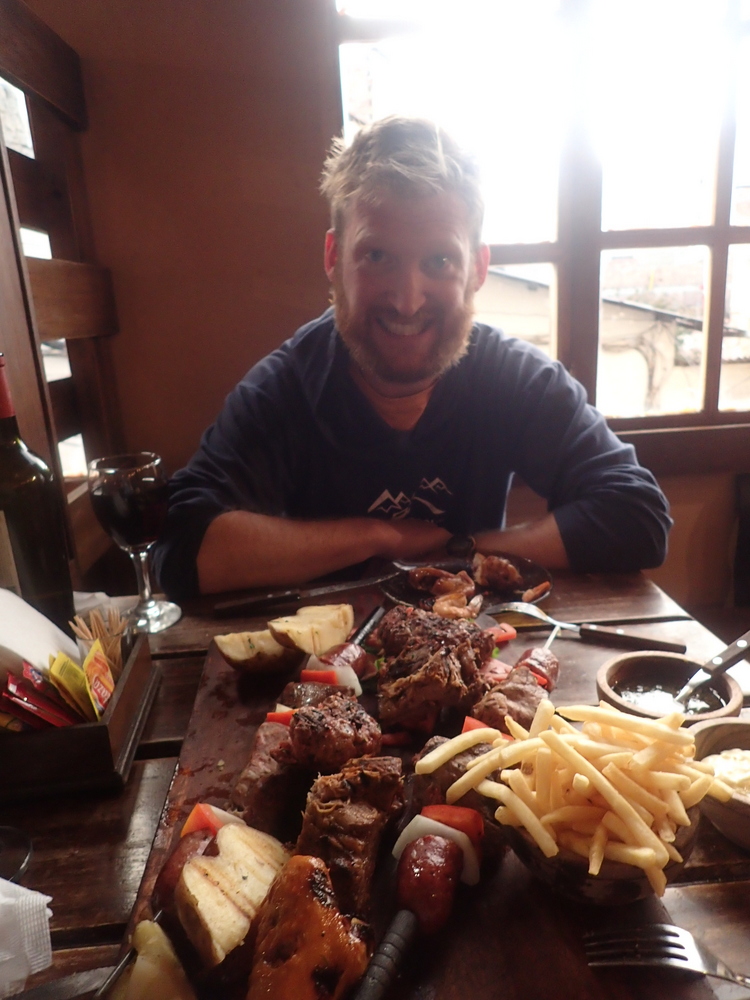
Finally finally both our stomachs were feeling well enough to have my birthday dinner. Only 3 months late. We went to ā€œthe stakehouseā€ and were absolutely full to the brim by the end of it. Then went to the cinema to see the latest in the Divergence series. I quite enjoyed the film, so I was sorry to see it has received bad reviews and that the budget is likely slashed. Hey ho.
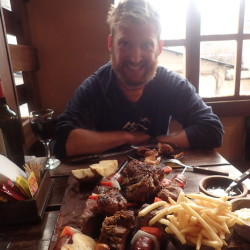
06-P3310011

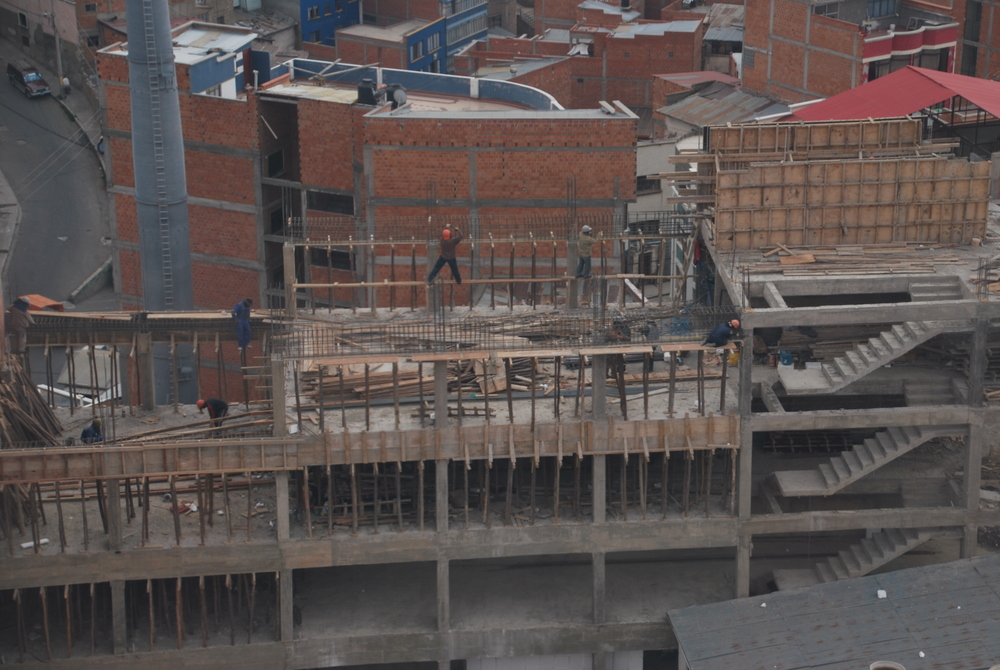
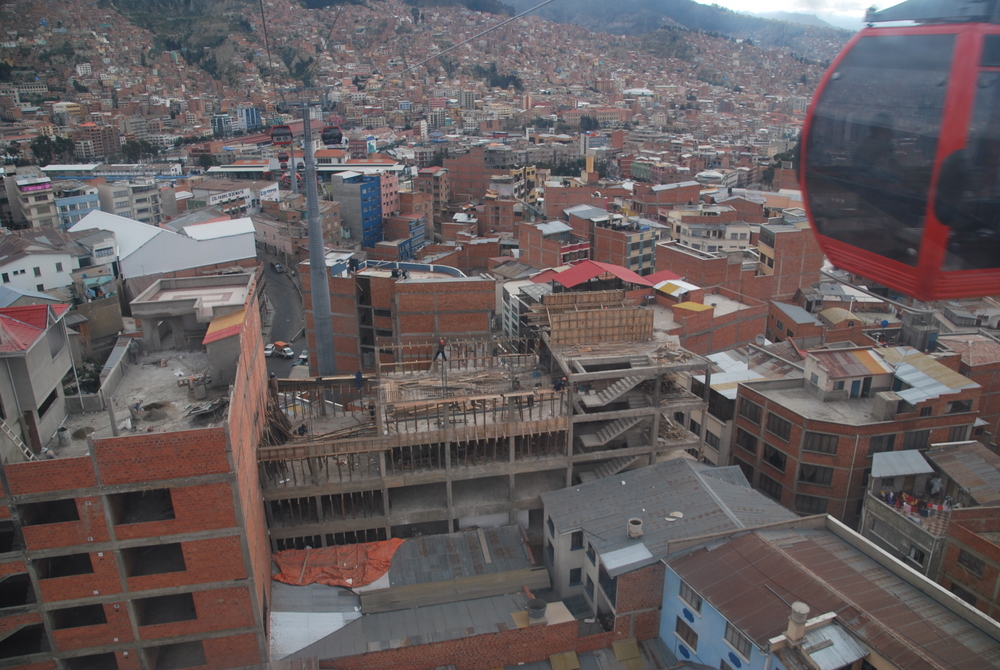
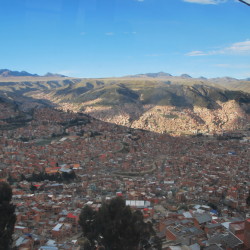
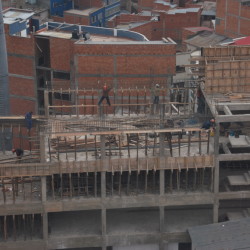
We also took a few rides on the cable cars. La Paz itself is pretty much in a valley floor, and up above is the town of El Alto, where I believe the airport is. It’s quite a hike from top to bottom, so they’ve put in 2 cable cars at the moment, with more to come. It costs about $.75NZD to take a trip, well worth it even if you’re simply going along for the views.
09-DSC_011008-DSC_000707-DSC_0006

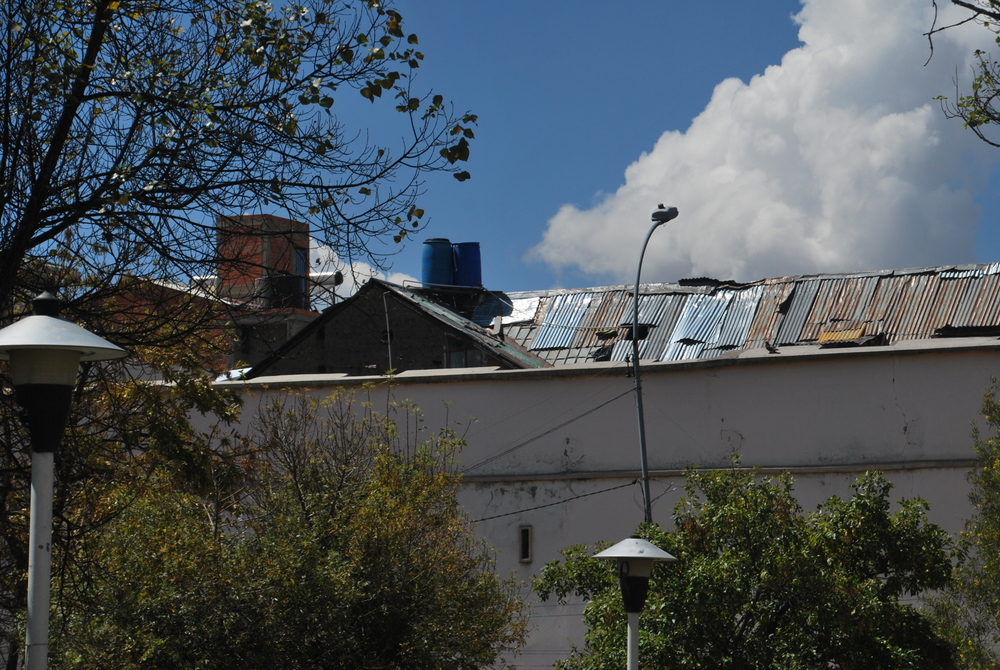
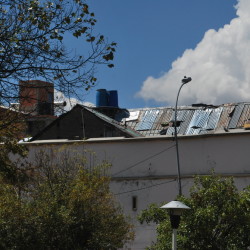
One day we did the ā€œRed capā€ walking tour. Well well worth it. Our guides were excellent and had so many interesting little stories to tell. For example, here’s a picture of the San Pedro Prison roof.
1-DSC_0114

Now, I’d not actually heard of San Pedro, or at least, not to remember, but they used to do tours of the prison. Tours, operated by the inmates, because, inside the prison it was entirely run by them!. Tours have been discontinued by the way. I don’t think I’d be running off to put myself at the mercy of the inmates I must admit.

Anyway, the roof as you’ll see has holes in it. According to our guides, cocaine is produced inside the prison, and, every so often a package is lobbed out of a hole in the roof to an accomplice waiting outside the walls. Why, you might ask, do the police not stop it. Kickbacks apparently.

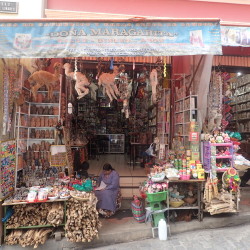
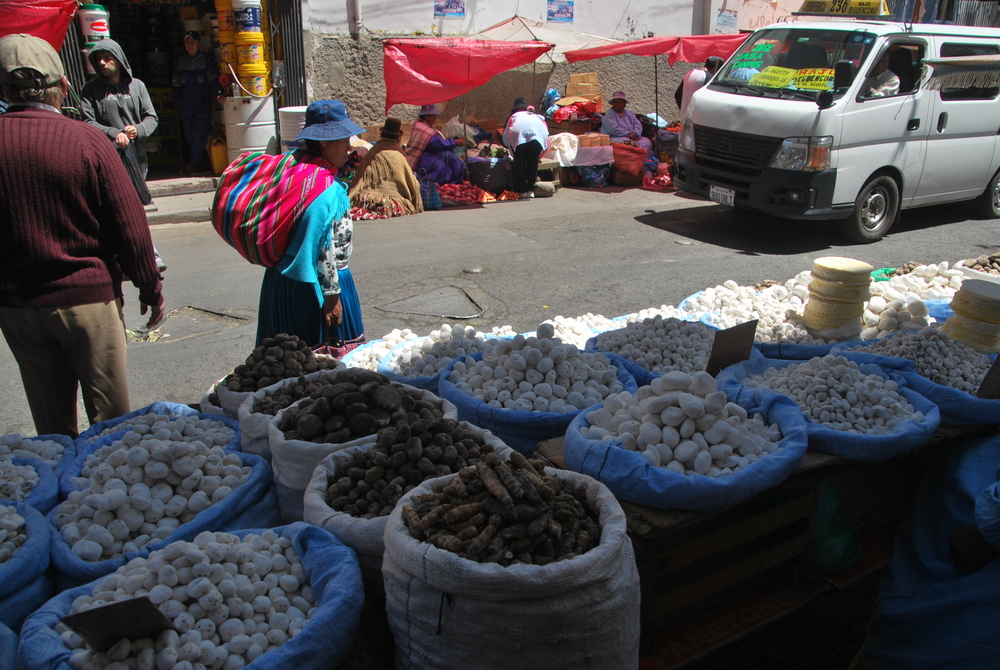
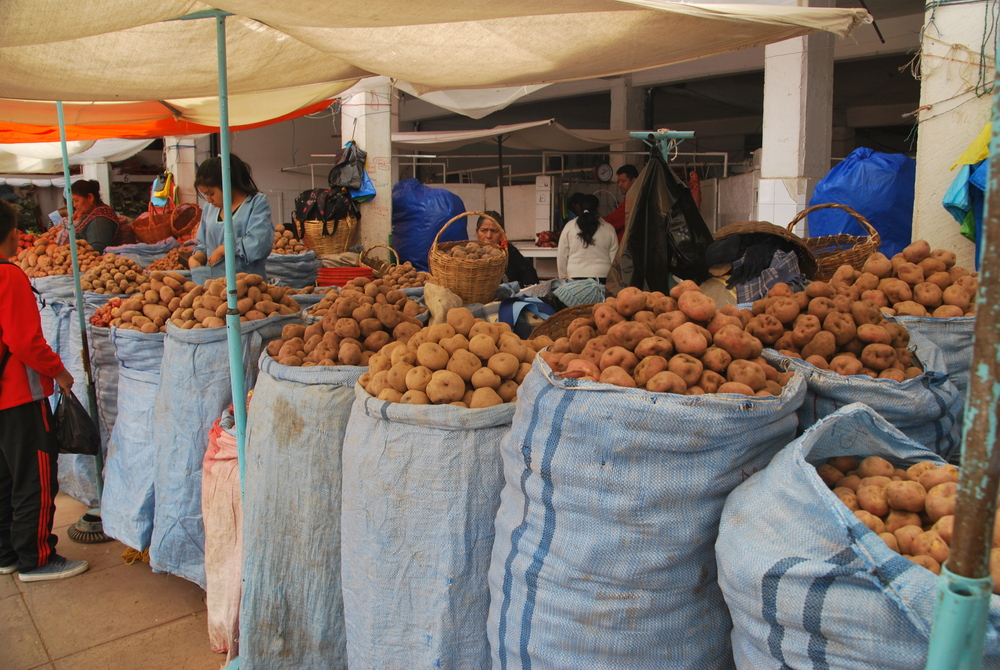
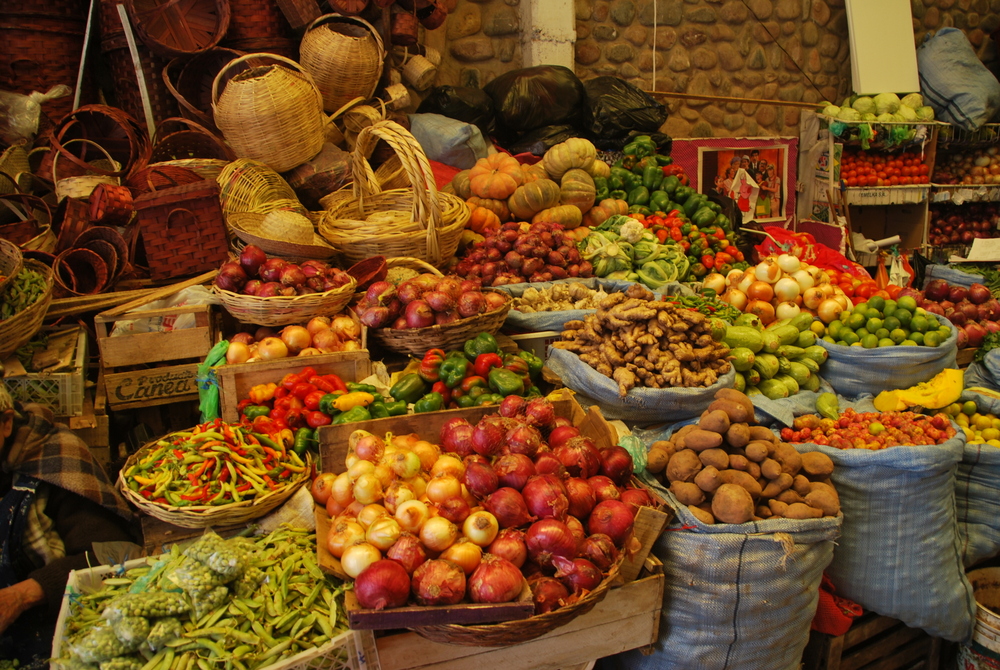
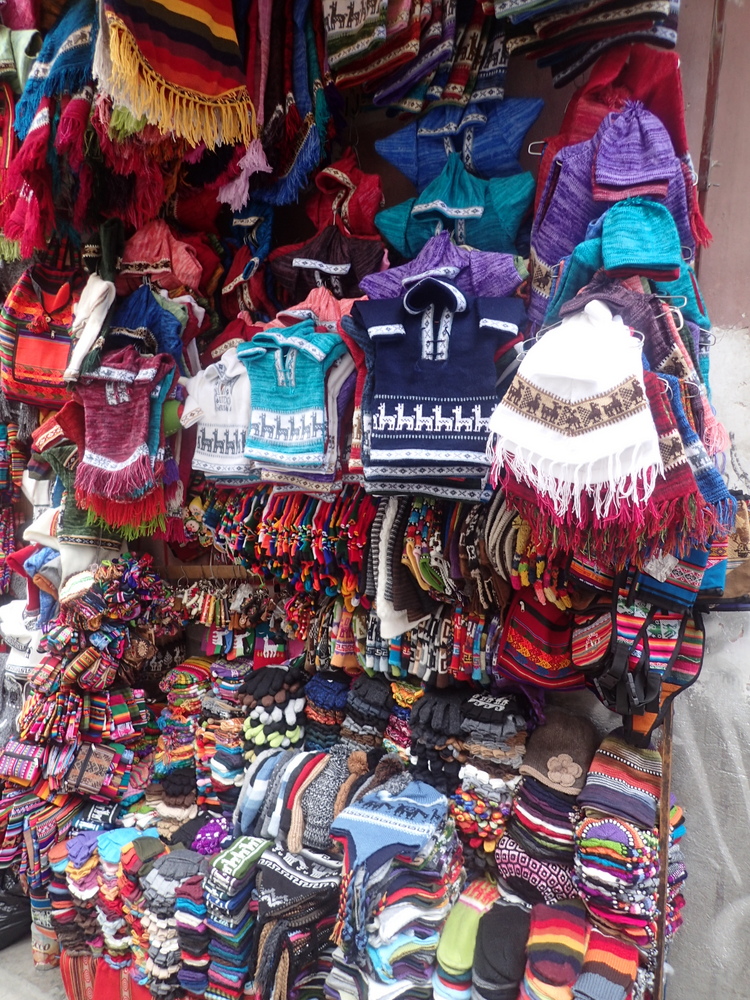
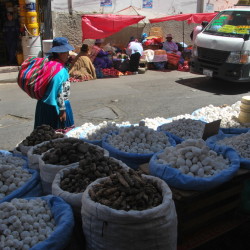
They took us for a wander through the markets. Here you can see potatoes! I think they said there were something like 400 or 500 different varieties in Bolivia.
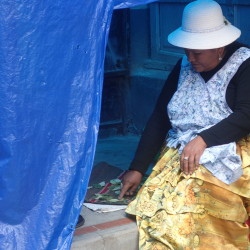
10-DSC_011505-P331000904-P3310006

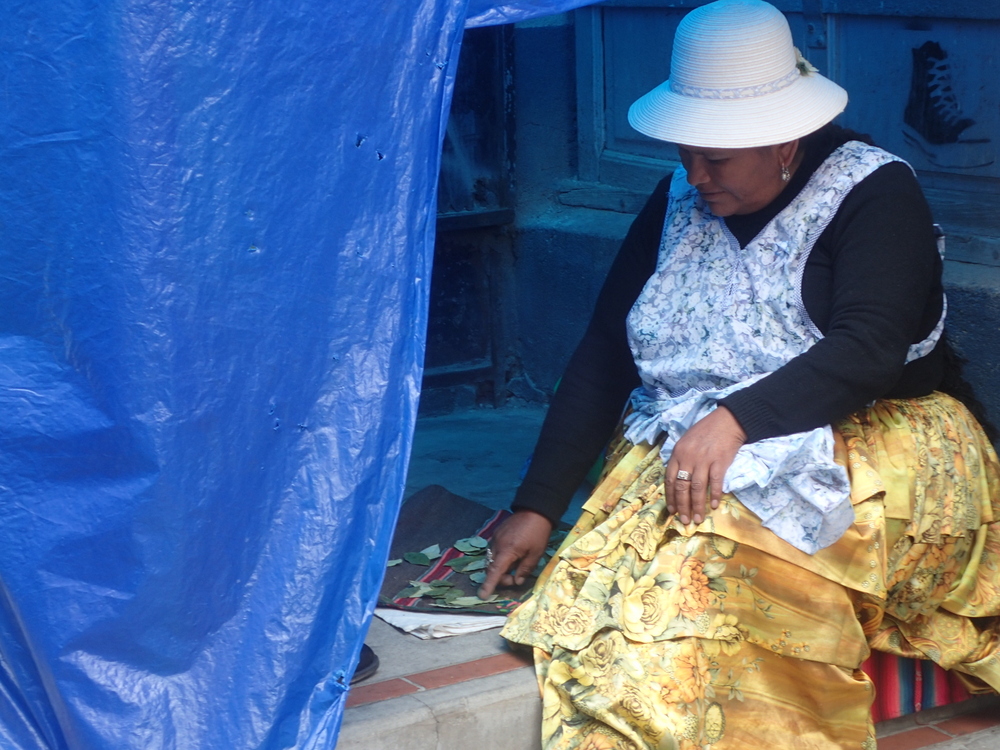
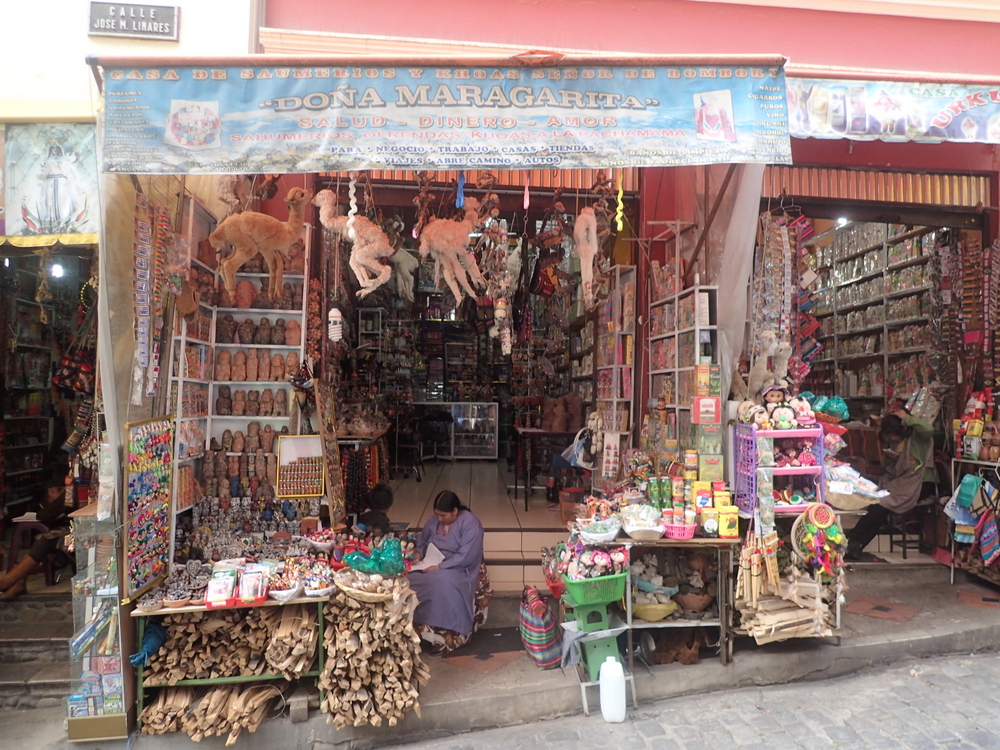
Above you can see a lady in the witches market, reading the coca leaves, and some dead llamas. They had, as you can imagine, a few stories about the witches market. The potions they sell were pretty potent. In fact, quite a few people died while visiting some of the local pleasure houses. When the authorities investigated, it seemed a few of the suitors had taken love potions, which turned out to be….. wait for it….. horse-viagra!! and their poor hearts just gave out. Hey ho. You could get ā€œdustā€ too, for attracting a mate, repelling a mate, etc. I think our guide was suggesting you might not want to travel with said dust, suggesting it might have been cocaine, or cocaine mixed with something.

Going back to the dead llamas, apparently it is good luck when you’re constructing a building, to bury a llama (or something) with a blessing etc. They told this ā€œstoryā€ that for bigger buildings they would take homeless off the streets, get them drunk, and then kill them and bury them as a sacrifice. Seems quite apocryphal, but our guides seemed to suggest that there were lots of these stories, so maybe a grain of truth. That, and that when some buildings are knocked down, they find human remains. Who knows, it was a good story anyway.

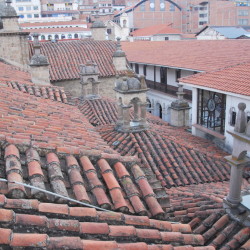
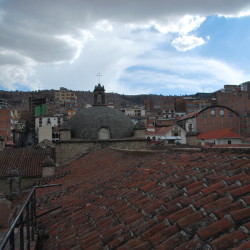
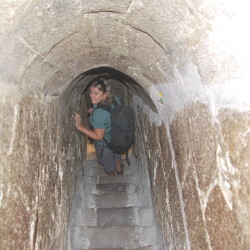
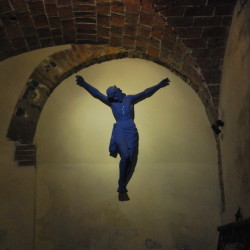
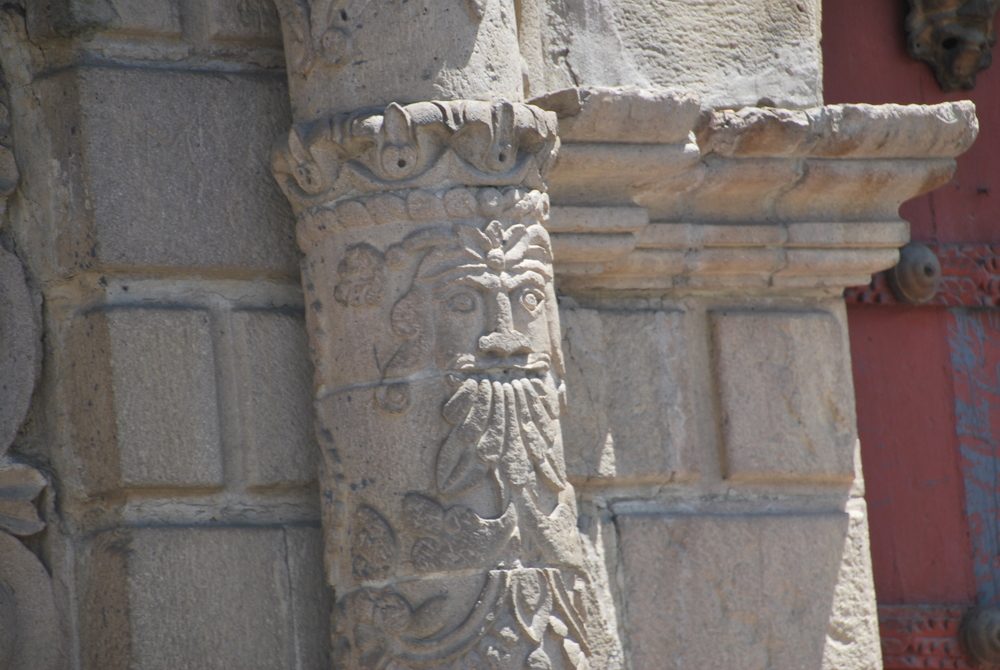
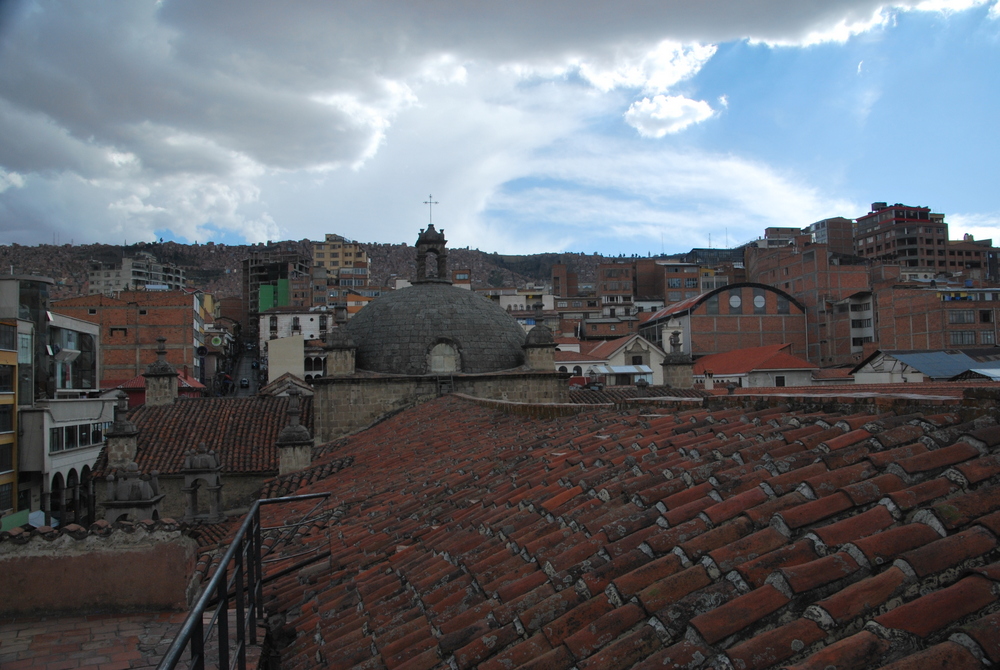
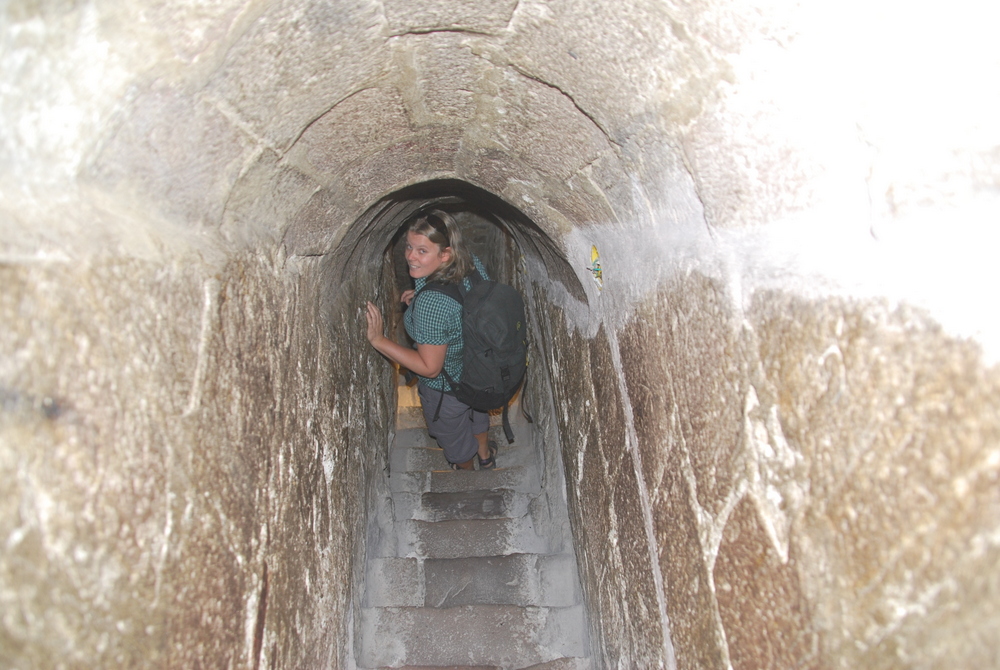
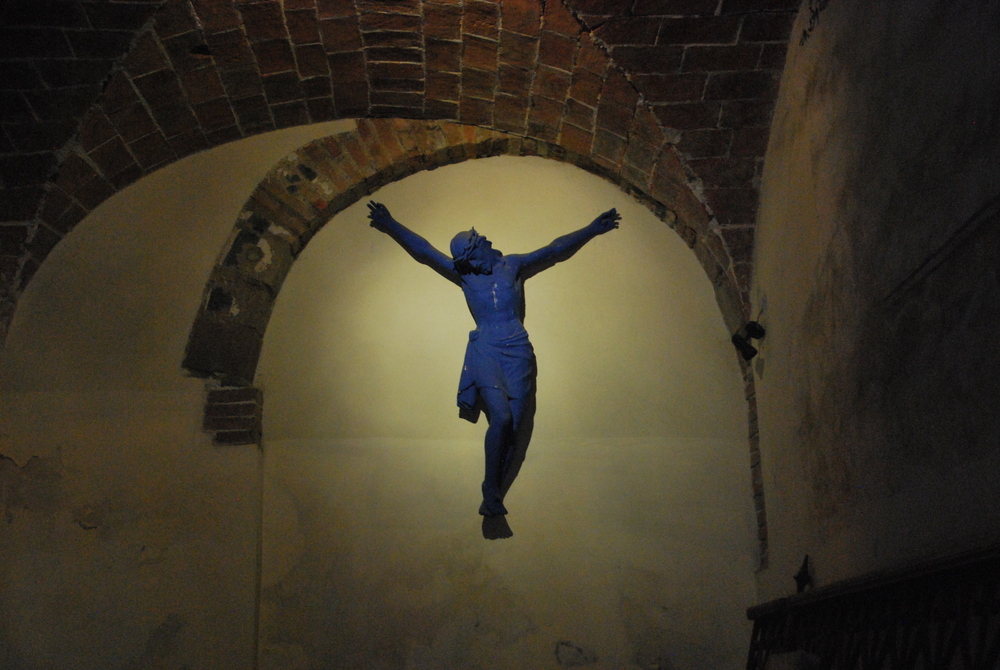
They also took us to the San Francisco cathedral. They pointed out some of the incorporations of local to Christian symbols. For example, here you can see one of the figures eating coca leaves! There’s also pacha-mama, a mother-earth deity?! incorporated?! Well, she’s certainly there, but I guess I find it surprising that it’s on a church. Also, a lot of the figures of Christ / Mary feature feathers in their halos / headdress, again, a very Incan feature. Separately, Maaike and I went into the attached museum. They allow you up on the roof and into the bell tower, which is always fun. You can also see a blue statue of Christ. Nothing actually special about this, except that some painters were told to paint a wall blue, and they painted everything blue. Sounds like some of the paint jobs in Christchurch after the earthquake (I kid you not)
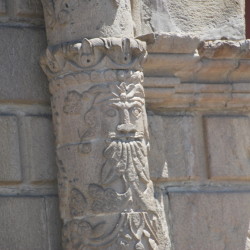
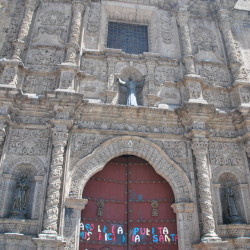
12-DSC_011911-DSC_011818-DSC_015017-DSC_014619-DSC_01532-DSC_0142

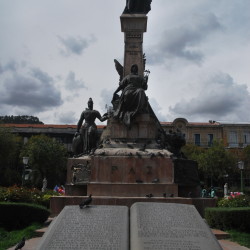
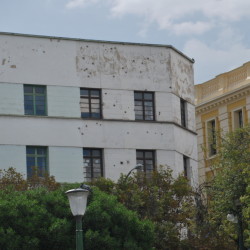
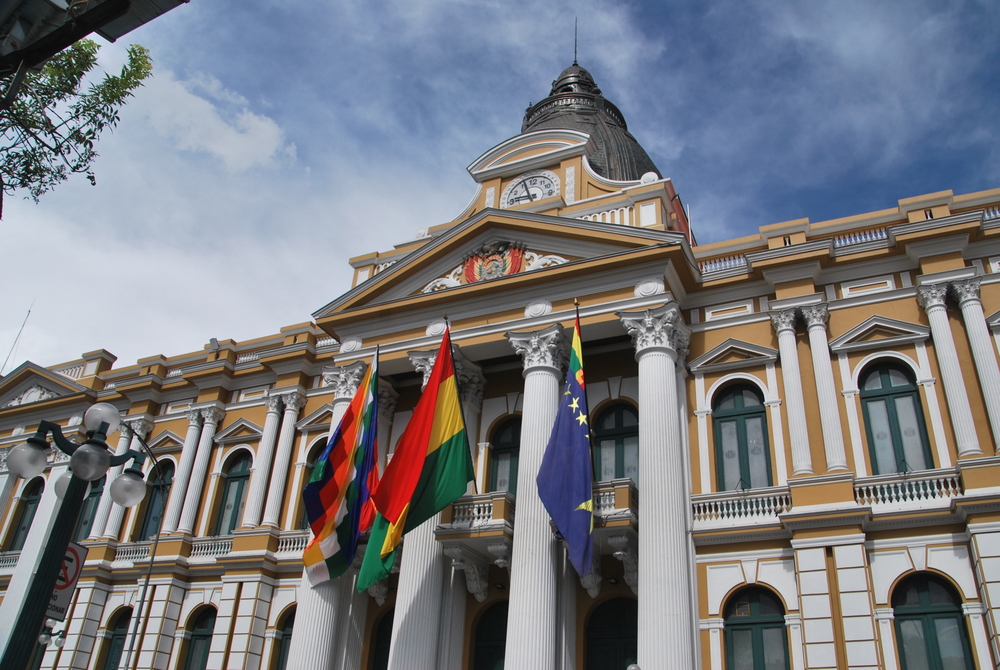
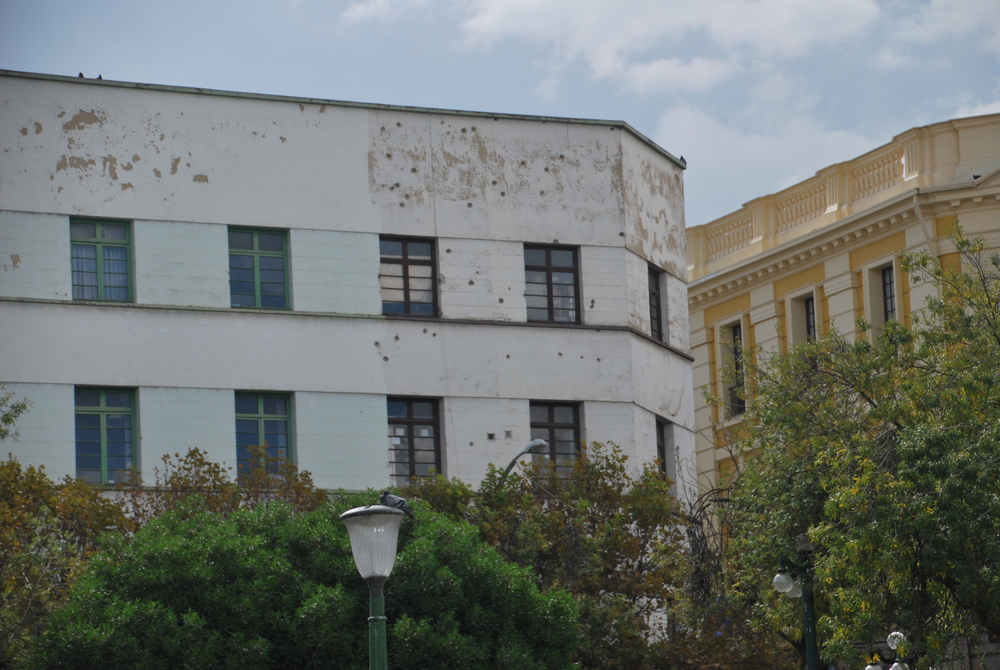
Finally on the tour we went to the main presidential square. See if you can see anything odd in the first picture below here (you may need to zoom in)
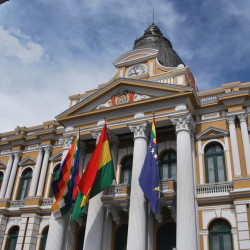
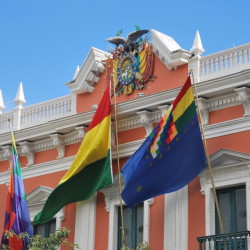
13-DSC_012316-DSC_012915-DSC_012814-DSC_0127

You can still see bullet holes in the buildings (left as a reminder). I’d definitely recommend the walking tour, a definite highlight of our time in La Paz.
Sucre, teenage pregnancies, Easter and advent of code.
  |  0 Comments

I must say, I really enjoyed our time in Sucre. It’s the capital of Bolivia, which confused me as I thought it was La Paz, quite a common misconception it seems.
2-IMG_20160327_1601123-IMG_20160327_1617284-IMG_20160327_162235

Anyway, we came here partly to learn Spanish (there are heaps of schools here, so it’s quite affordable), and partly to chill out for a bit. I had to fight to get Maaike to stop travelling for a bit ;) . We booked an AirBnB, which turned out to be super affordable, central, and just perfect. It was so nice to be able to unpack everything for a week, have your own kitchen, bathroom, reasonable Internet. Yes, I’m soft and weak, but hey, it was really really nice! Holidays aren’t supposed to be all work ;)

1-IMG_20160325_163550

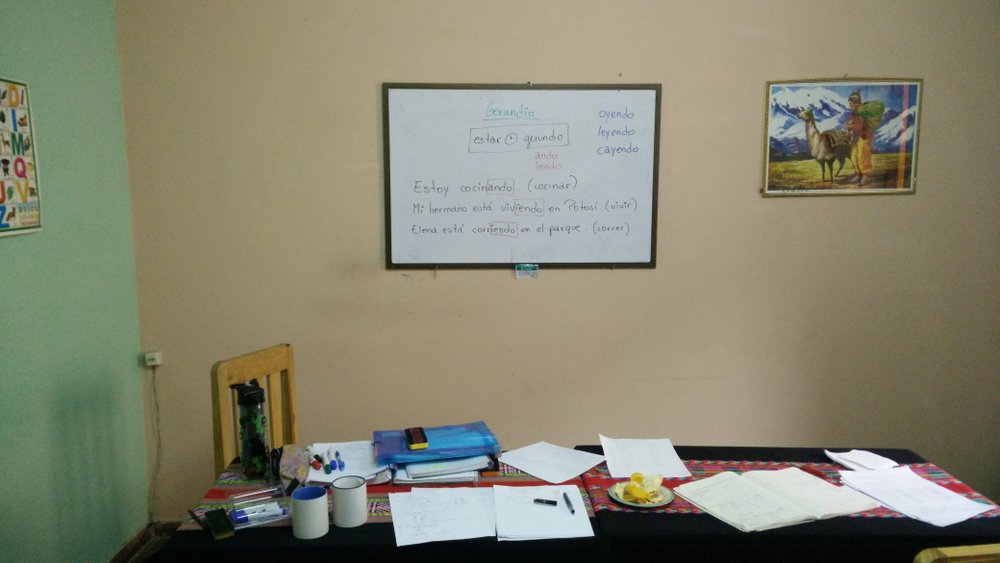
We took Spanish lessons at the Sucre Spanish School, though I’m not completely sure I’d recommend them over anywhere else. Our teacher was nice, but it was super grammar focussed and not heaps of ā€œfunā€. It’s tricky though, as Maaike has done a lot of teaching and has learned lots of interesting ways of conveying information, so it was a little frustrating to know that there were more interactive ways of teaching. Still, we did learn a lot and it was definitely worth brushing up our Spanish even more. In fact, if that’s one piece of advice I’d give for South America, the more you know Spanish, the more you’re going to enjoy yourself.

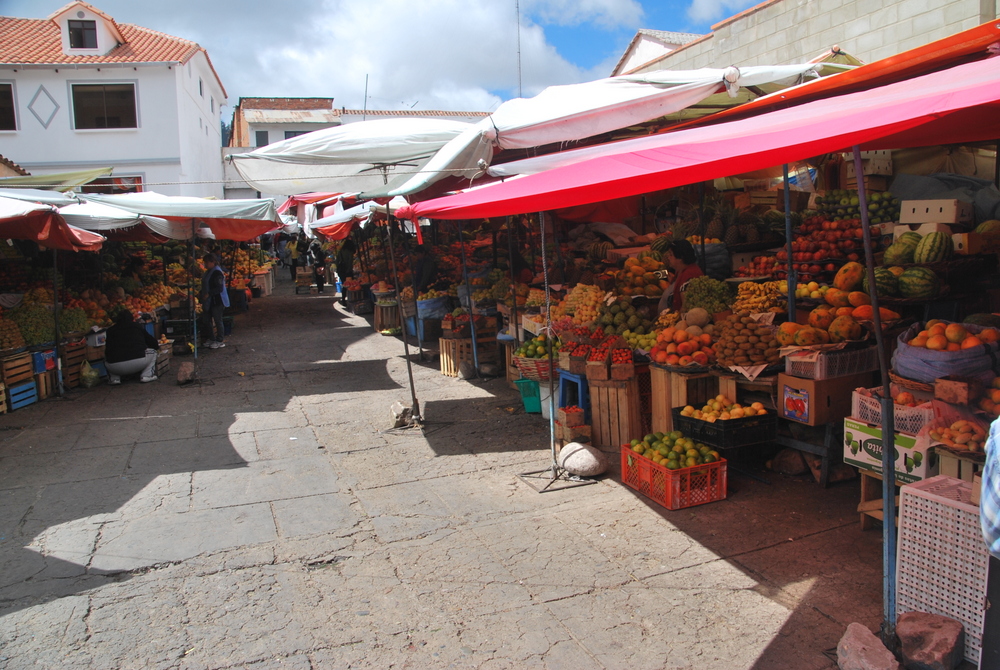
The market was excellent, many ripe mango’s were bought and consumed. You might want to brush up on your mango cutting skillz

1-DSC_05092-DSC_05124-DSC_05143-DSC_0513

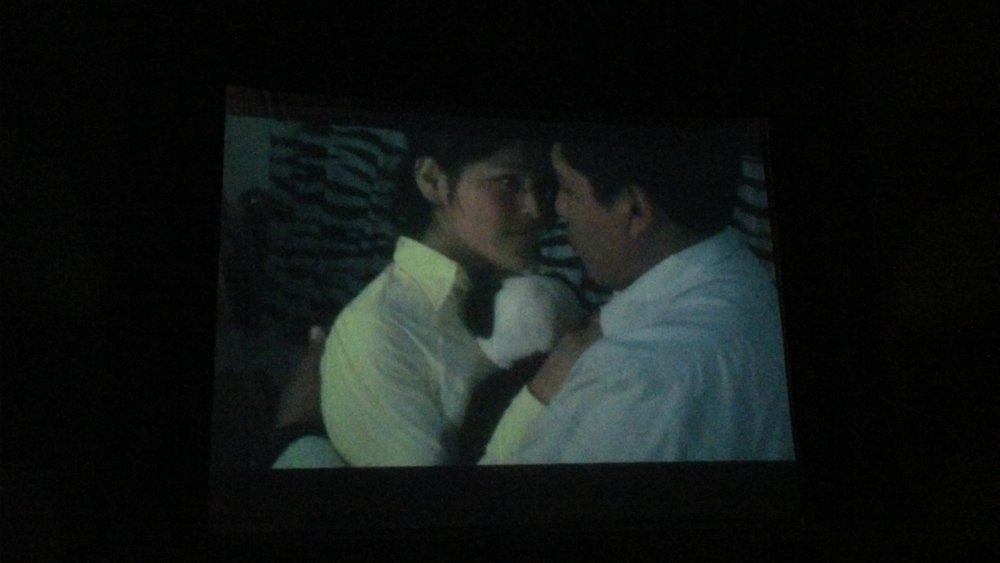
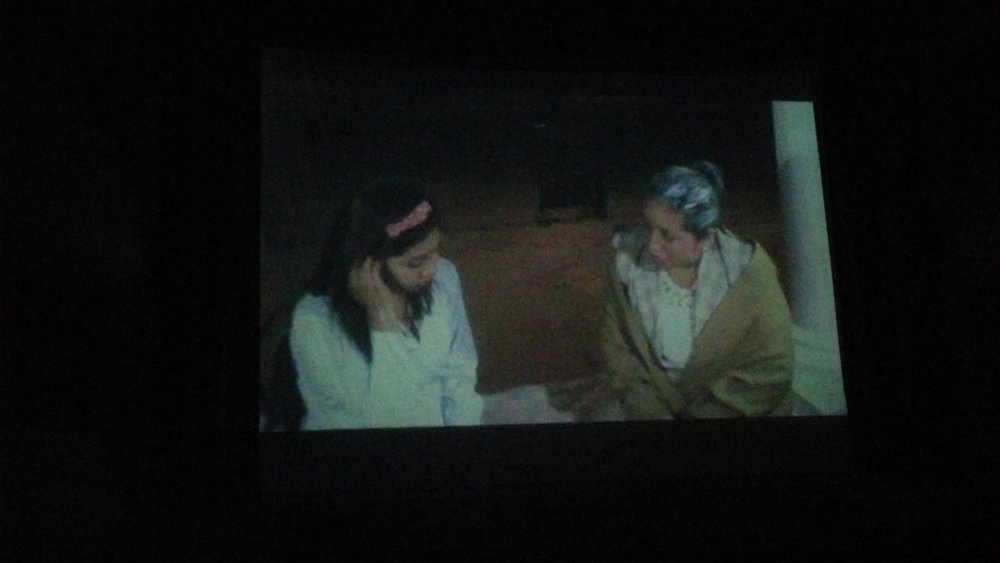
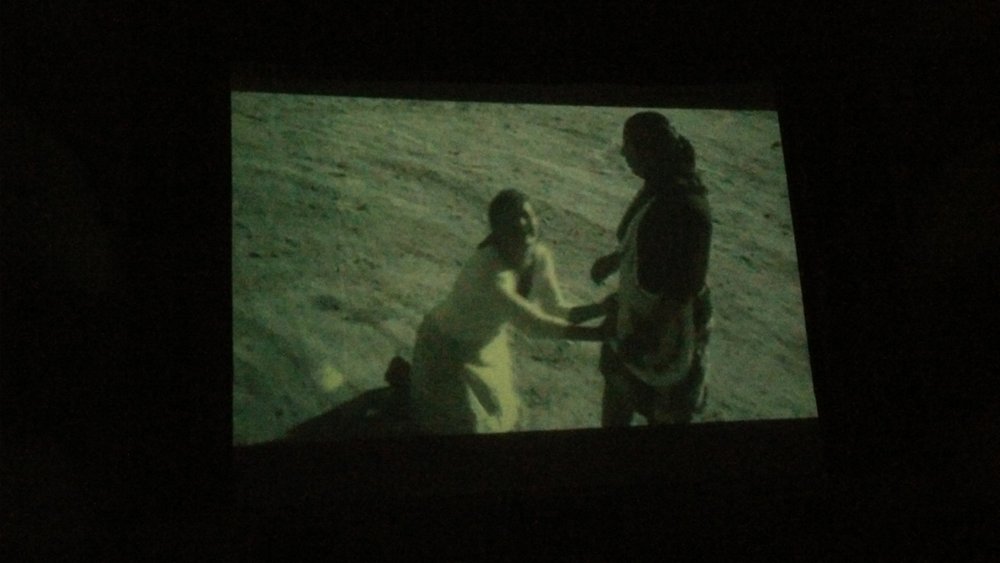
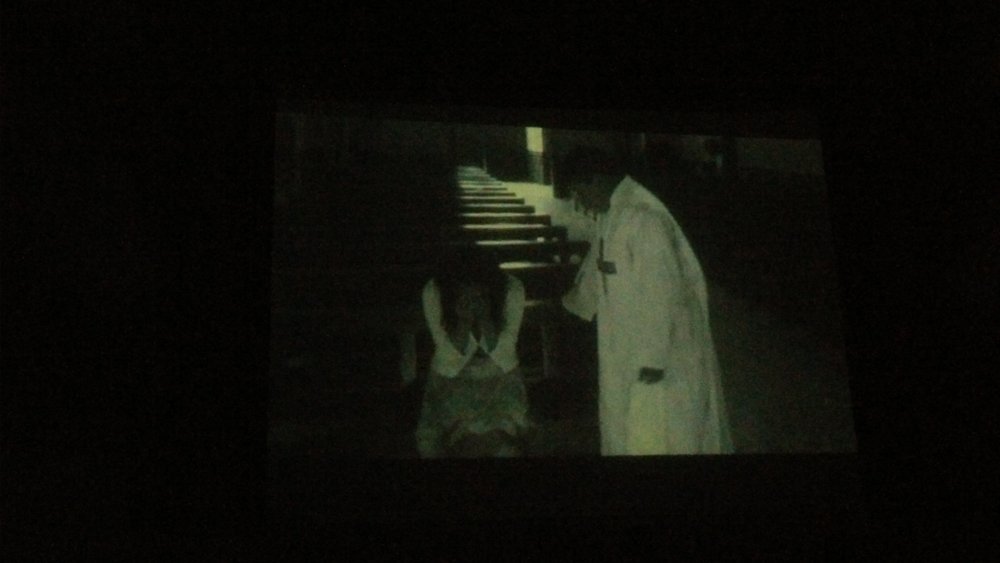
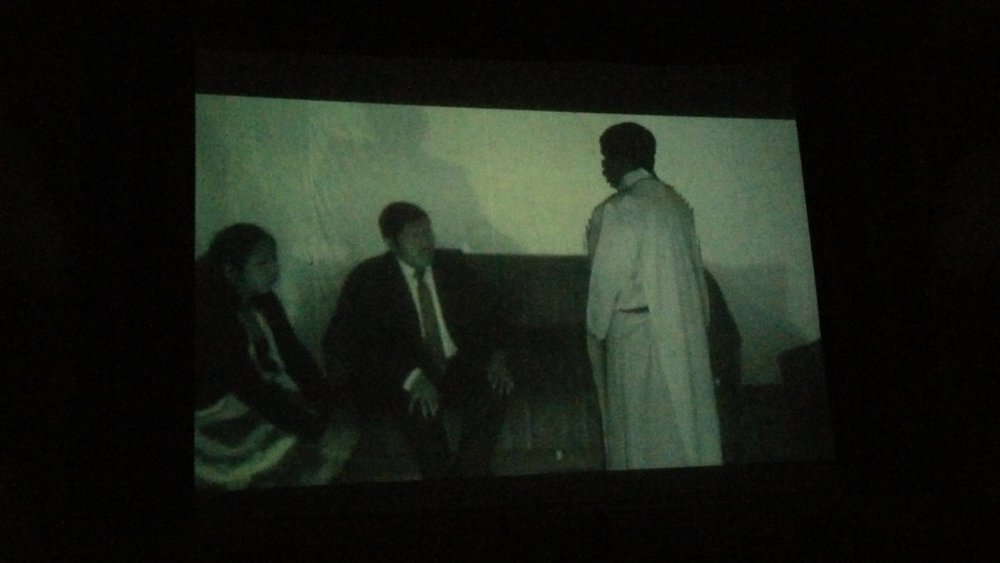
Walking home one day we saw a poster for what looked like a concert… it was 10 Boliviano’s (~$2 NZD) so we thought nothing to lose. Indeed, nothing to lose. It turned out to be some short films made by school kids. I’m not sure if the theme of the event was ā€œteenage pregnancyā€ or not, but certainly that’s what the two films were about. Now, my Spanish is still terrible, but, here are the very rough outlines

Film #1

5-IMG_20160327_172500

Plot: Accountant? comes to school to provide maths tutorials to students. 15 year old school girl falls for him, they end up sleeping together (possibly the most awesome sex-scene ever made, it featured ankles). She then thinks it’s a mistake / fears that she is pregnant, so they find a dodgy friend to get the morning after pill from. The girl goes home, takes the pill, and dies!!

Film #2

6-IMG_20160327_1748557-IMG_20160327_1756478-IMG_20160327_1804169-IMG_20160327_180843

Plot: It features broadly the same charaters, somewhat confusing at the start. Anyway, we see a school boy chatting up a school girl. He’s obviously trying to convince her to go to the next stage, but she’s not at all sure about this, not at all. He leaves. Then an old lady comes up to the school girl and tells her about her ā€œmistake?ā€ back in the day when she was but a lass. We see this girl had a fling with a guy, got pregnant by him. Looks like he wanted her to abort, but she decided to keep the baby. She goes to the church to pray, and the priest there has a chat with her, and then goes with her to her family to discuss it. You can’t really see it too well, but the father is the same actor who plays the priest, and there is some seriously special special effects (and some aliasing artifacts) where they’ve superimposed the two actors into the same frame. Still, better than any video by far that I’d be able to put together. Anyway, I digress, so the old lady tells the younger one her story, and then at the end we see the girl back in school and seeing her would-be suitor chatting up a whole lot of other girls (so, lucky escape there for her)

Then there were a lot of statistics – which I’ll Google translate here:

1-IMG_20160327_182848

In Latin America and the Caribbean two out of ten teenagers between 15 and 19 years are mothers.
In Bolivia of all pregnant women, 25 % are teenagers. For 1000 women in 88 births are to teenage mothers , which means that 132 births are dispersed area , compared to 67 births per 1,000 women in urban area.
Three out of ten teenagers in the poorest group is mother or pregnant , compared with a ten richest sector
Adolescents living in rural areas in poverty and less access to education, are at the greatest risk of being pregnant or having a child before 20 years
According to the data of CIES adolescents between 14 and 15 years sexually active , whose consequence are unwanted pregnancies
Three out of four pregnancies in adolescents and aged 15 to 19 years are unplanned representing 75%
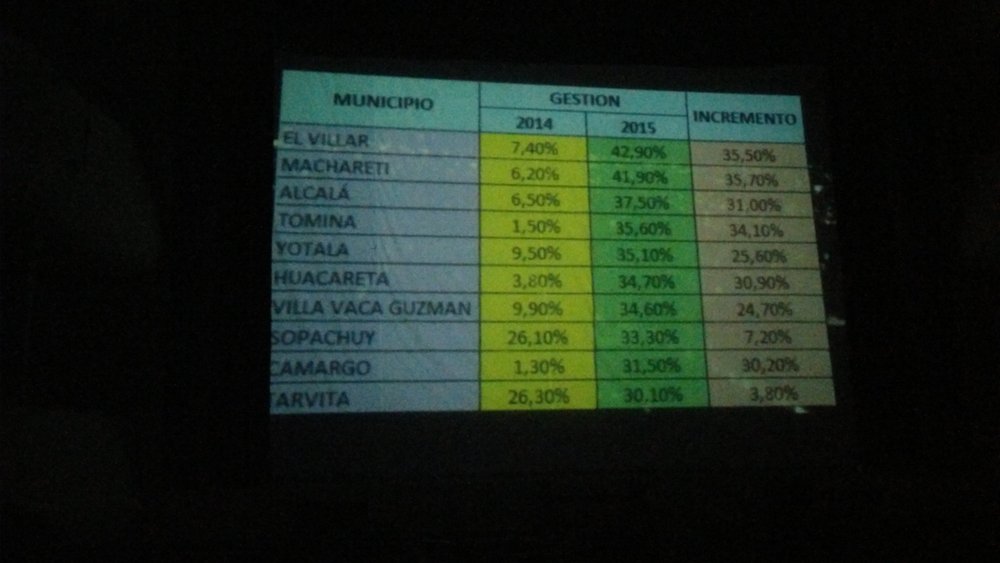
In Chuquisaca the rate of teenage pregnancy from January to May was 21.8 % of total pregnancies Department
The increase between 2014 and 2015 is too abrupt .
2014 represented 8.5% whereas 2015 is 21.8 % of all pregnant women

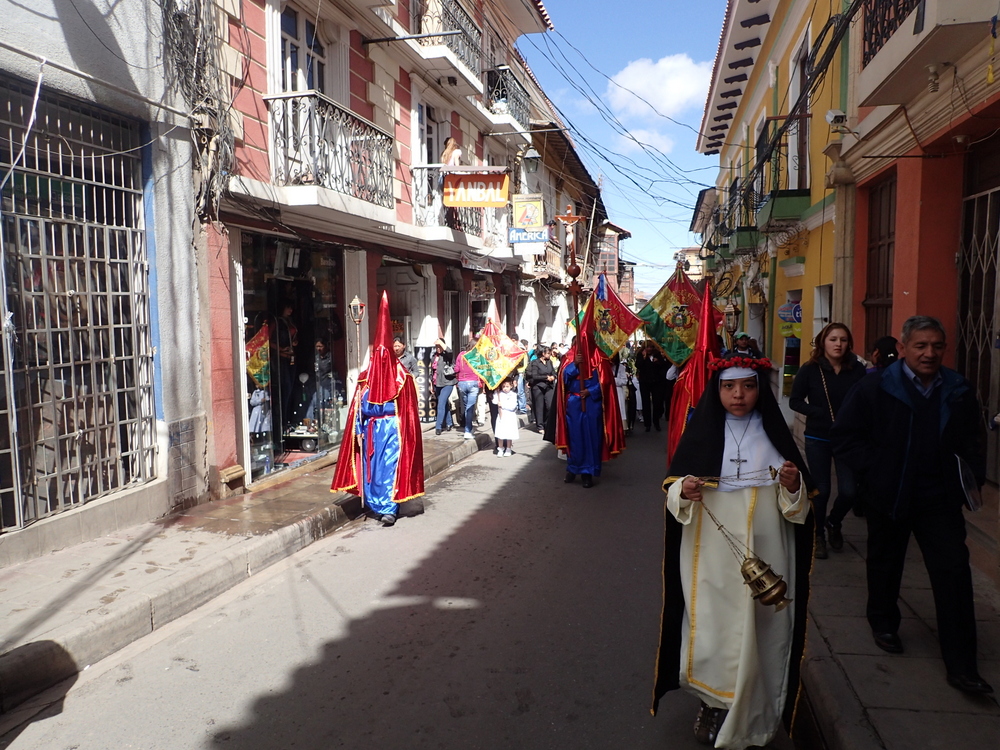
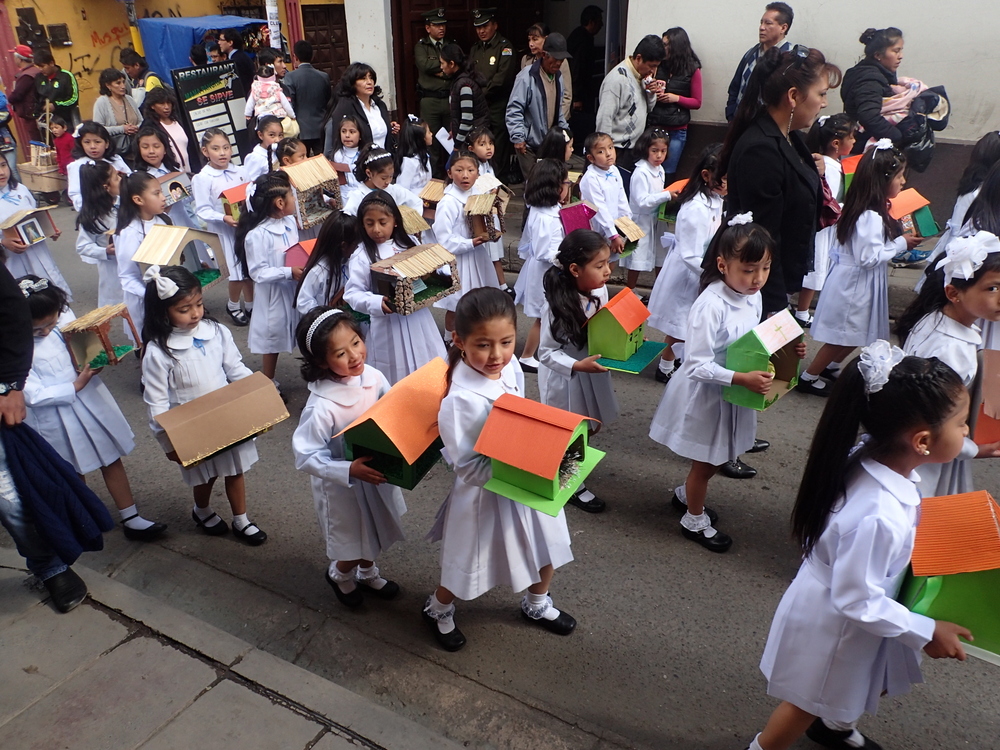
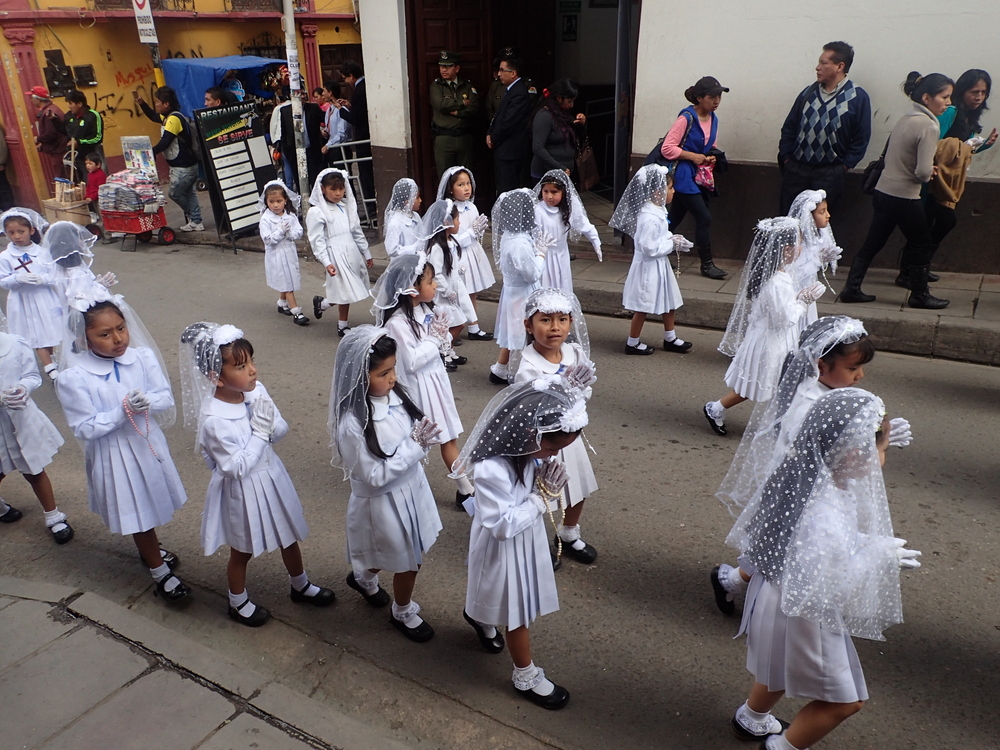
We were also in Sucre for Easter, lots of parades and the city pretty much shuts down for Good Friday.

1-P32200051-P32200083-P32200112-P3220009

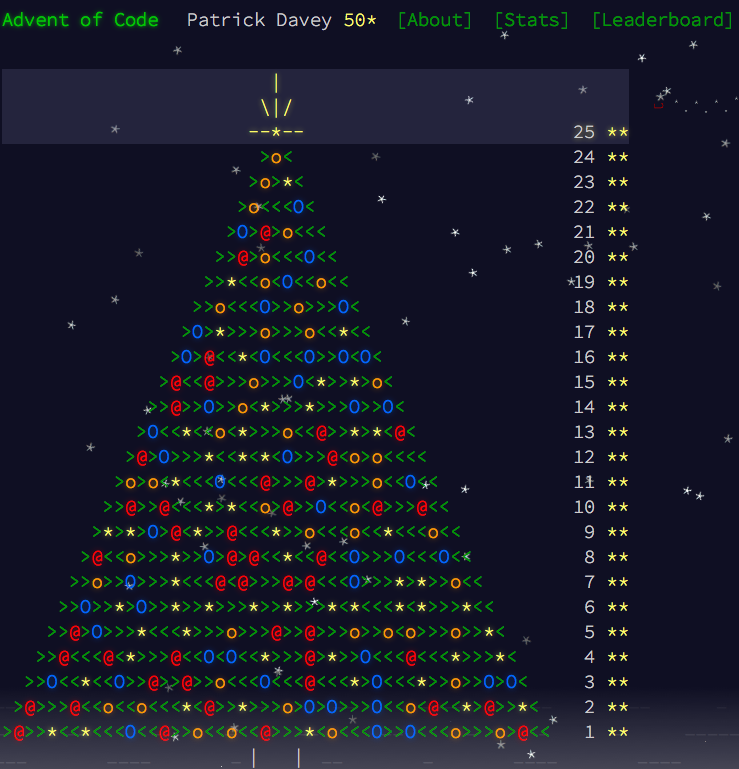
I did get to play on my computer a little too.. I thoroughly enjoyed completing The Advent of Code. 24 Christmas’y themed puzzles of varying difficulty.

Screen Shot 2016-03-29 at 6.17.09 PM

I did find a few of them tricky, and it was .. humbling, to see some of the solutions that people came up with. Still, a really fun learning exercise and it was very gratifying to complete them all :) ..

For example – day 19:

— Day 19: Medicine for Rudolph —

Rudolph the Red-Nosed Reindeer is sick! His nose isn’t shining very brightly, and he needs medicine.

Red-Nosed Reindeer biology isn’t similar to regular reindeer biology; Rudolph is going to need custom-made medicine. Unfortunately, Red-Nosed Reindeer chemistry isn’t similar to regular reindeer chemistry, either.

The North Pole is equipped with a Red-Nosed Reindeer nuclear fusion/fission plant, capable of constructing any Red-Nosed Reindeer molecule you need. It works by starting with some input molecule and then doing a series of replacements, one per step, until it has the right molecule.

However, the machine has to be calibrated before it can be used. Calibration involves determining the number of molecules that can be generated in one step from a given starting point.

For example, imagine a simpler machine that supports only the following replacements:

H => HO
H => OH
O => HH

Given the replacements above and starting with HOH, the following molecules could be generated:

HOOH (via H => HO on the first H).
HOHO (via H => HO on the second H).
OHOH (via H => OH on the first H).
HOOH (via H => OH on the second H).
HHHH (via O => HH).

So, in the example above, there are 4 distinct molecules (not five, because HOOH appears twice) after one replacement from HOH. Santa’s favorite molecule, HOHOHO, can become 7 distinct molecules (over nine replacements: six from H, and three from O).

The machine replaces without regard for the surrounding characters. For example, given the string H2O, the transition H => OO would result in OO2O.

Your puzzle input describes all of the possible replacements and, at the bottom, the medicine molecule for which you need to calibrate the machine. How many distinct molecules can be created after all the different ways you can do one replacement on the medicine molecule?

Salar de Uyuni (biggest salt flats in the whole wide world)

  |  2 Comments

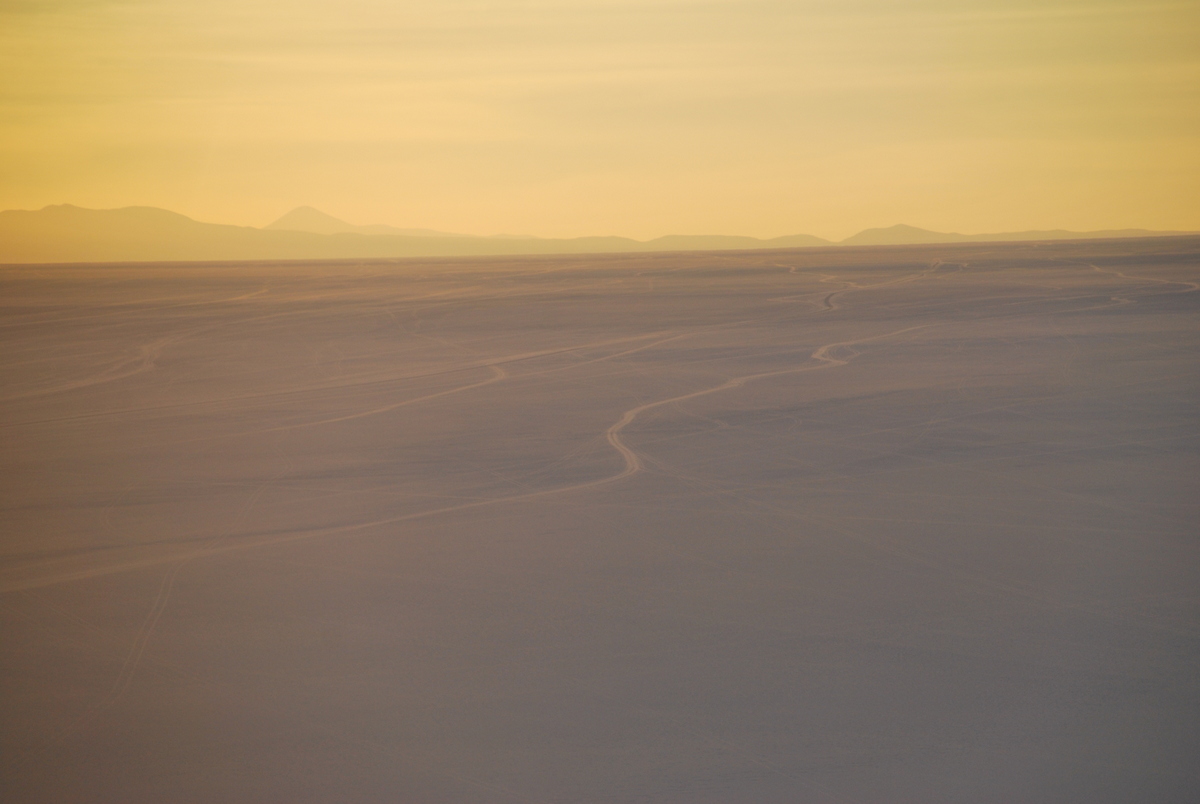
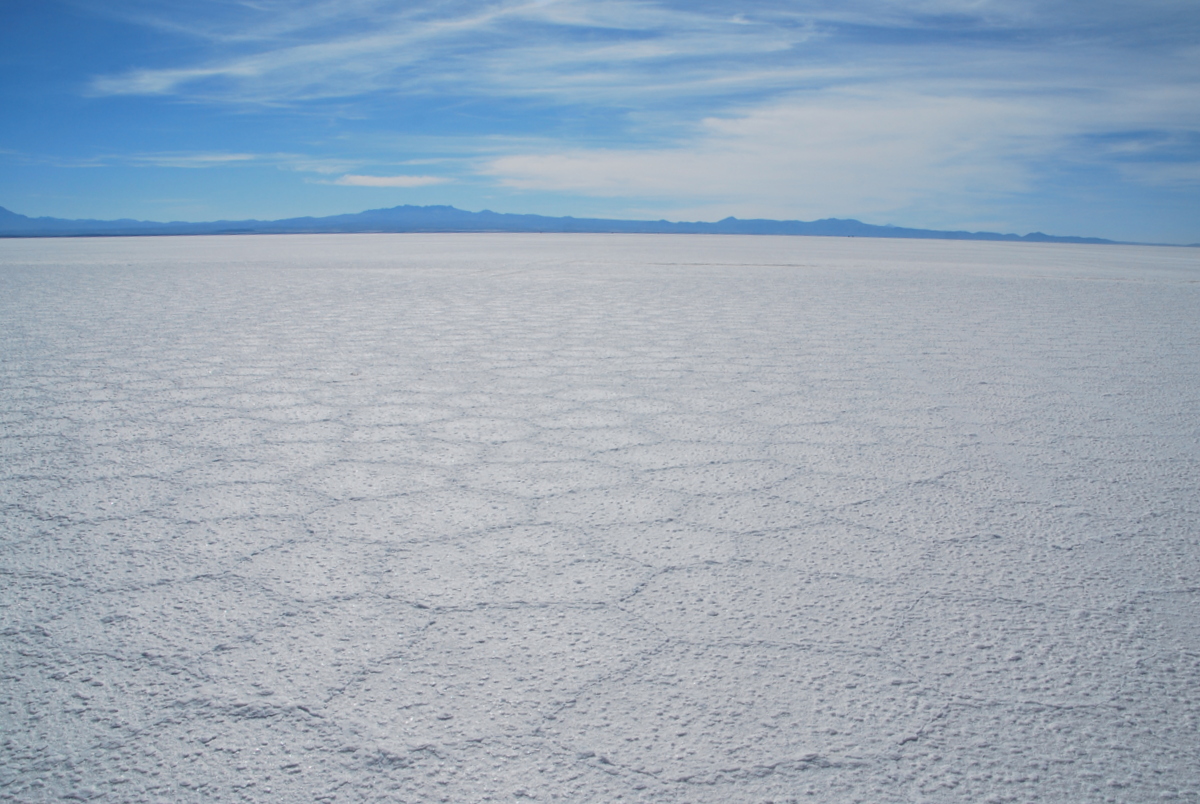
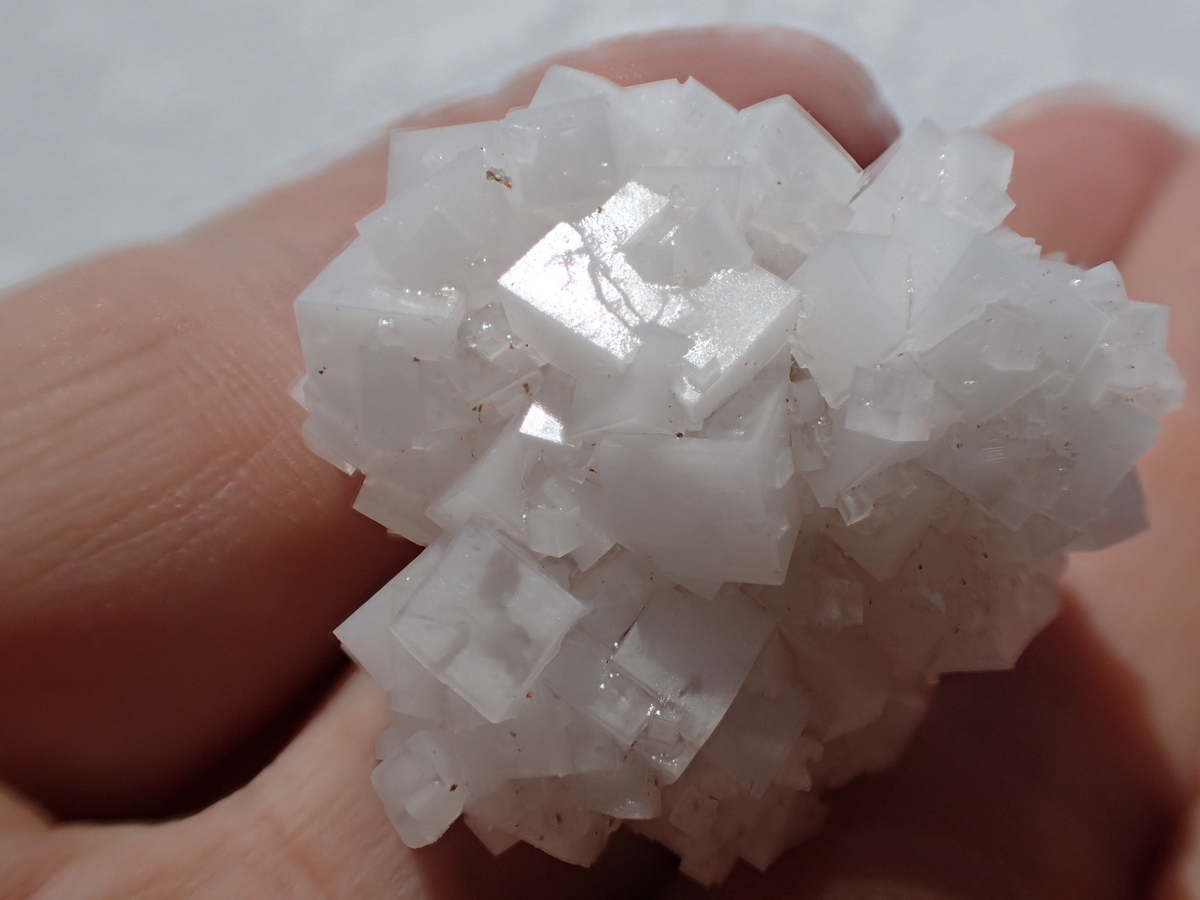
Salar de Uyuni is the world’s largest salt flat at 10,582 square kilometers….Bolivia holds about 43% of the world’s lithium reserves most of those are located in the Salar de Uyuni. The Salar was formed as a result of transformations between several prehistoric lakes. It is covered by a few meters of salt crust, which has an extraordinary flatness with the average altitude variations within one meter over the entire area of the Salar.

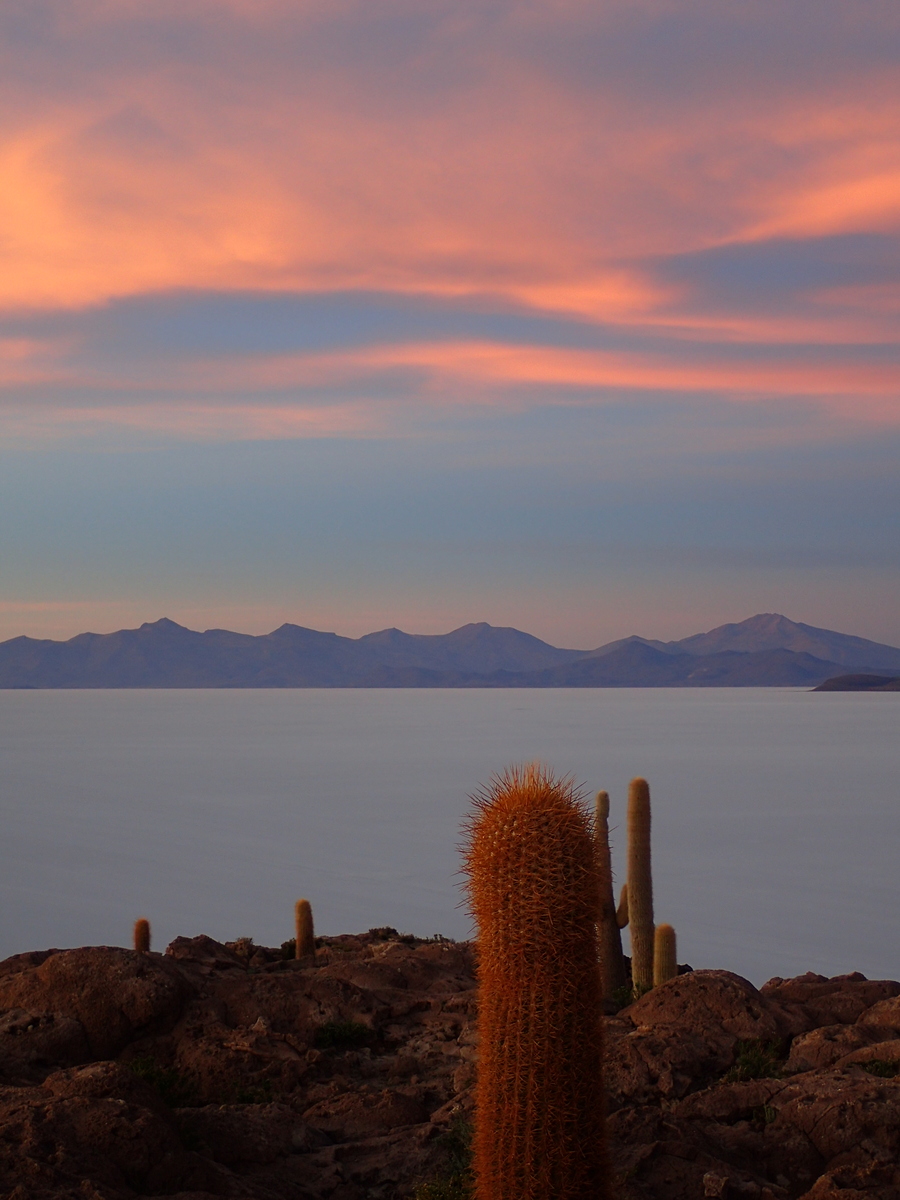
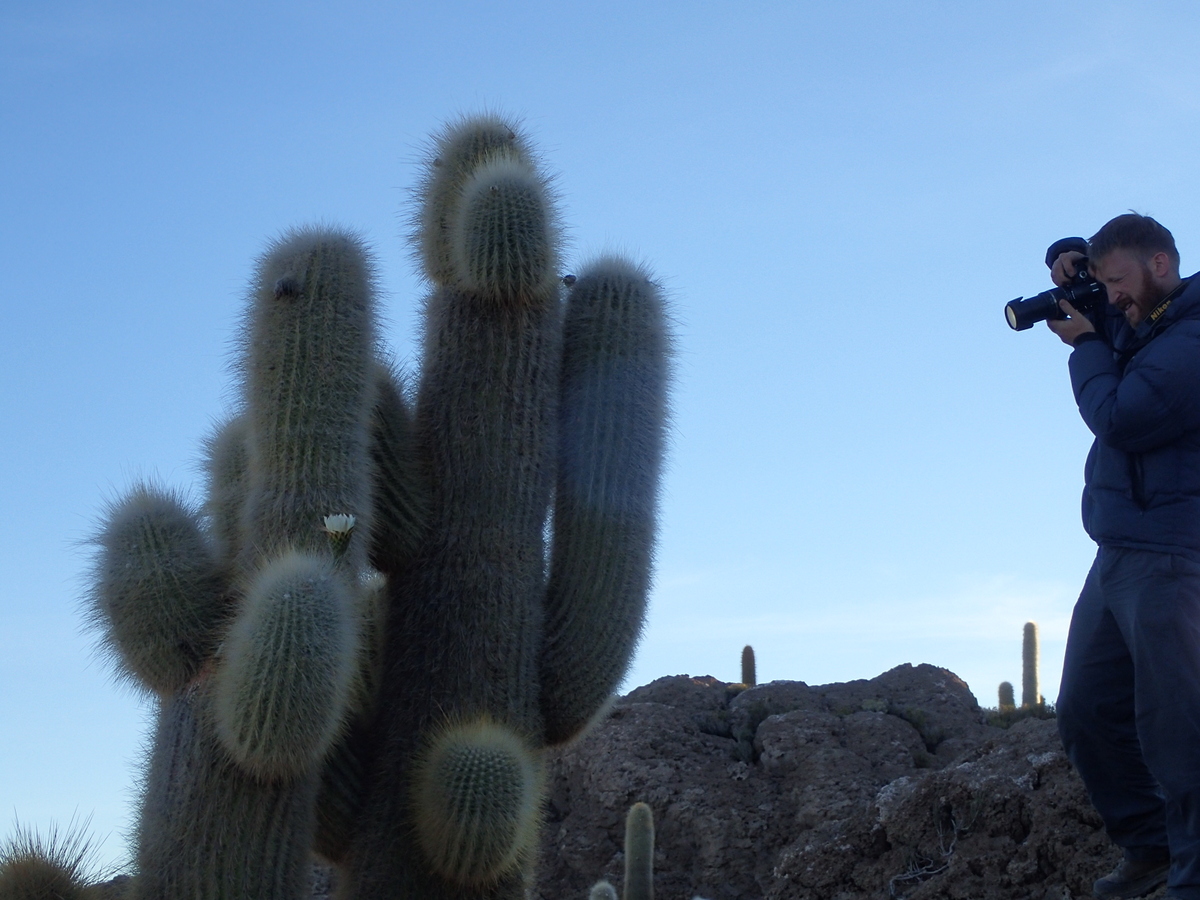
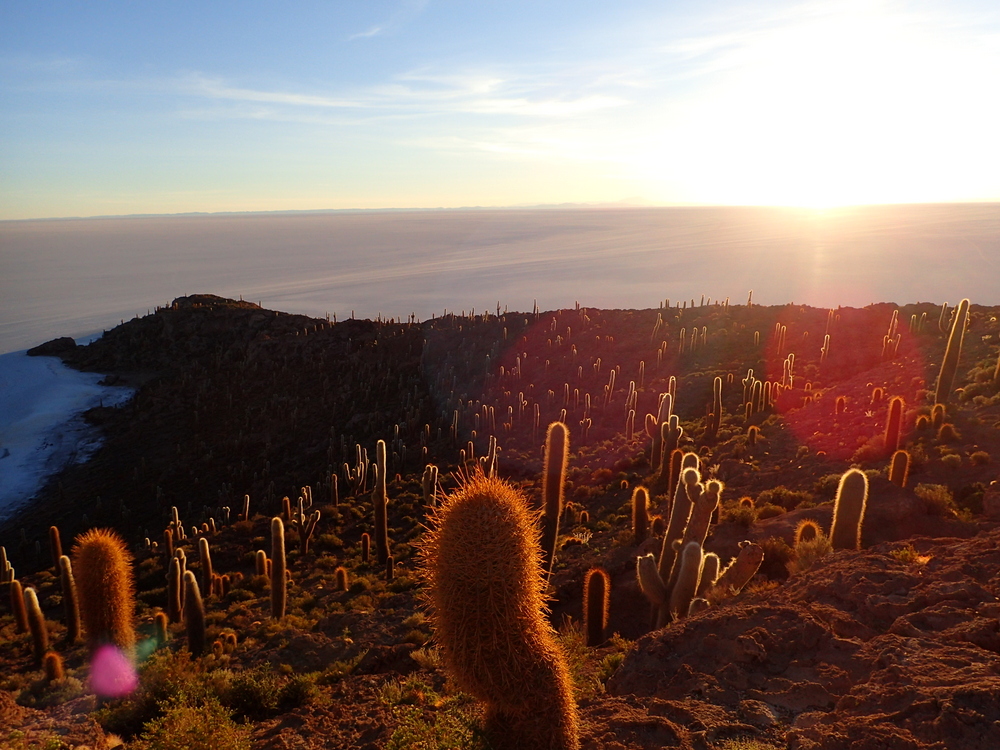
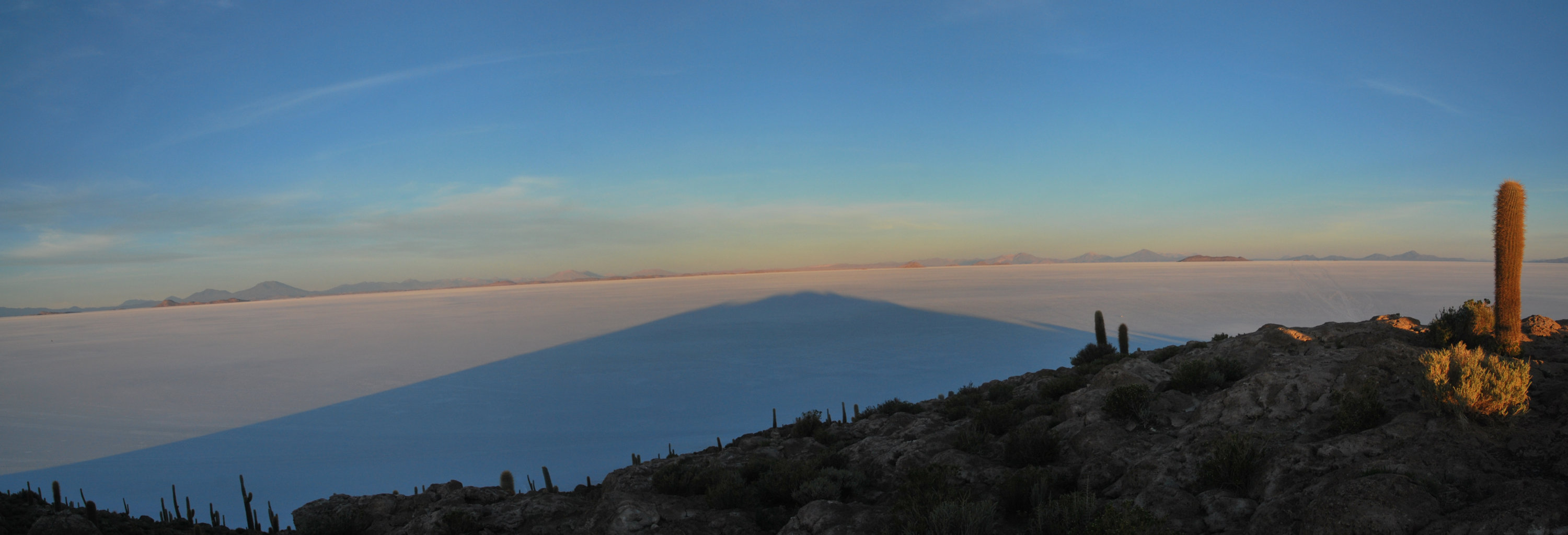
Up early today to see the sunrise from the top of Isla Incahuasi, the remnants of a volcano poking above the surface of the salt flats. I wish I’d been able to be in two places at once, as the sunrise from the salt flats themselves reflected in some of the pools would have been pretty epic too.

69-P321018370-DSC_069071-DSC_0701

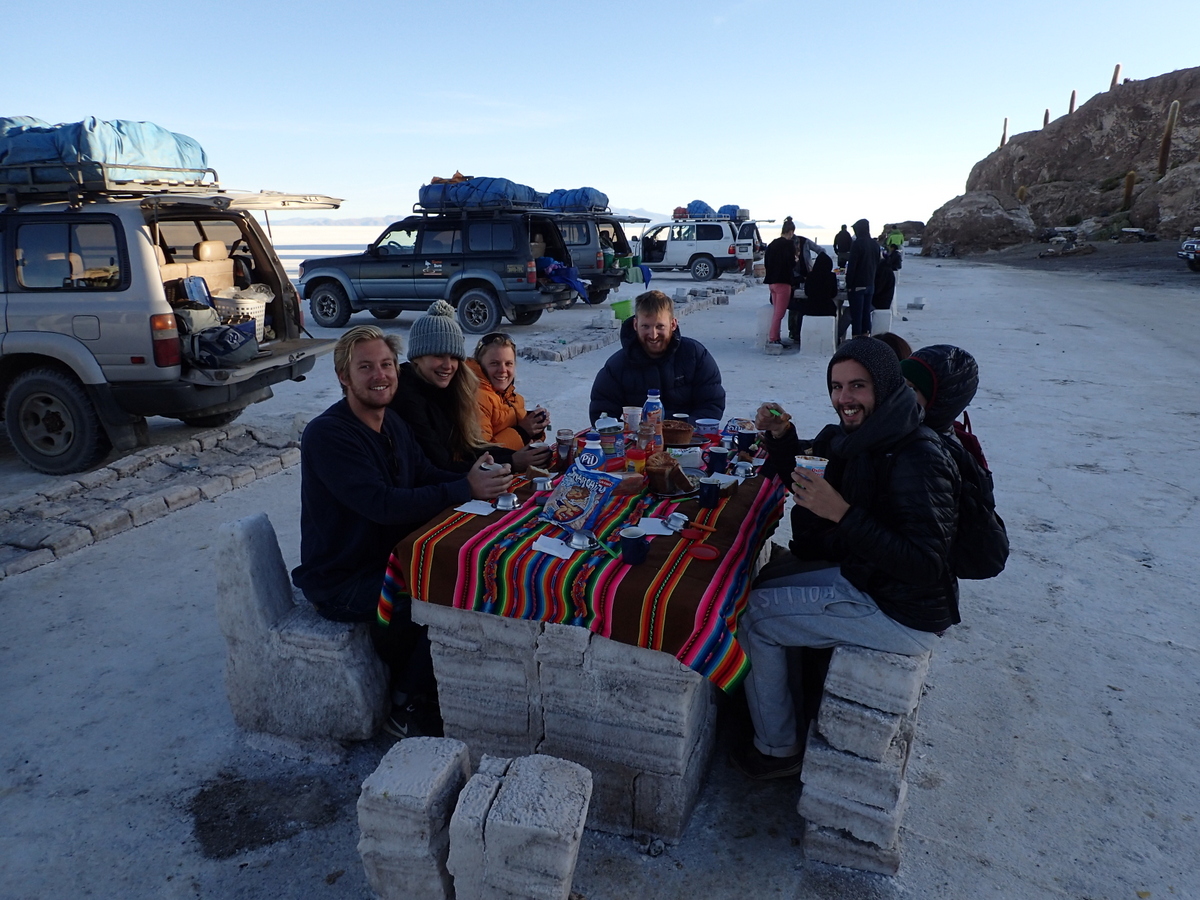
The island also has coral on it too from when the volcano was submerged beneath the lake. I was completely out of breath after running up the hill to get the sunrise (in the event, no rushing needed). That’s what comes from running at a height of 3,656 meters!. Then breakfast

72-P321020573-P321021074-DSC_070575-P32102161-P3210203

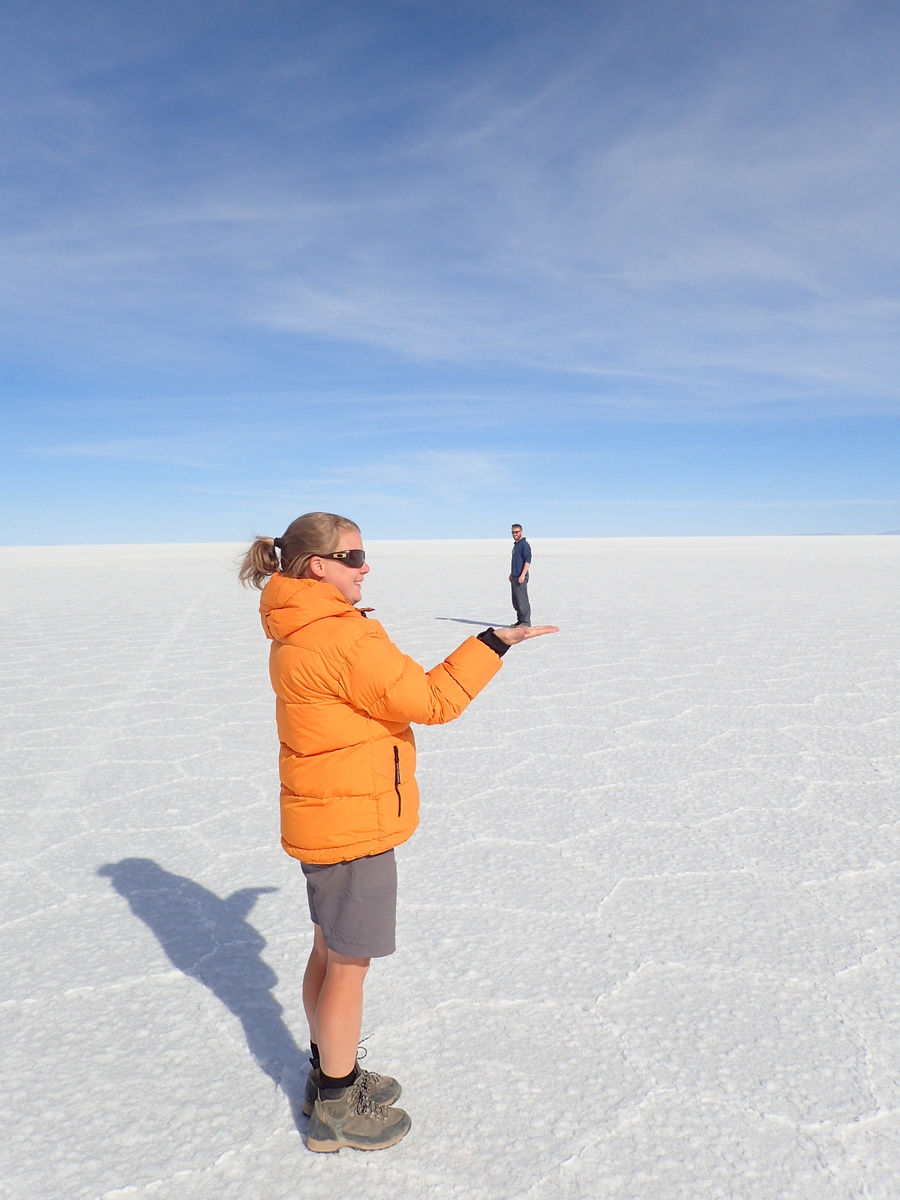
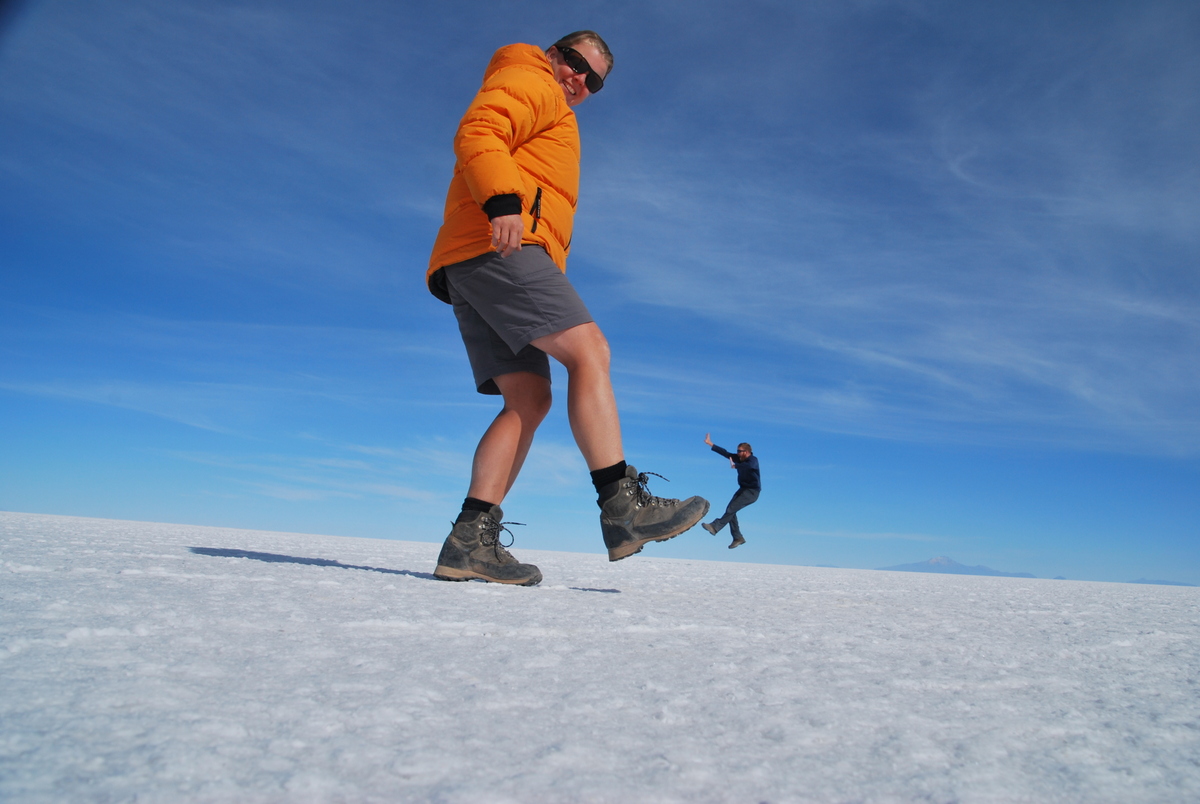
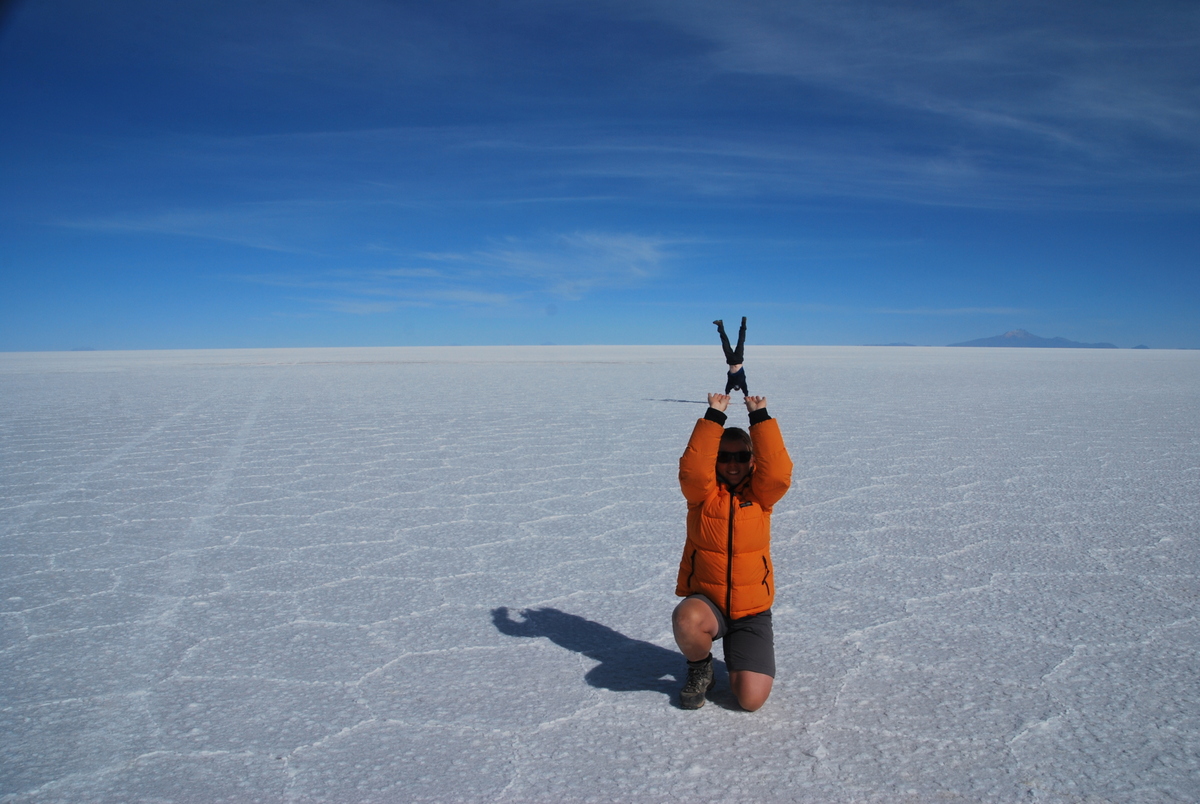
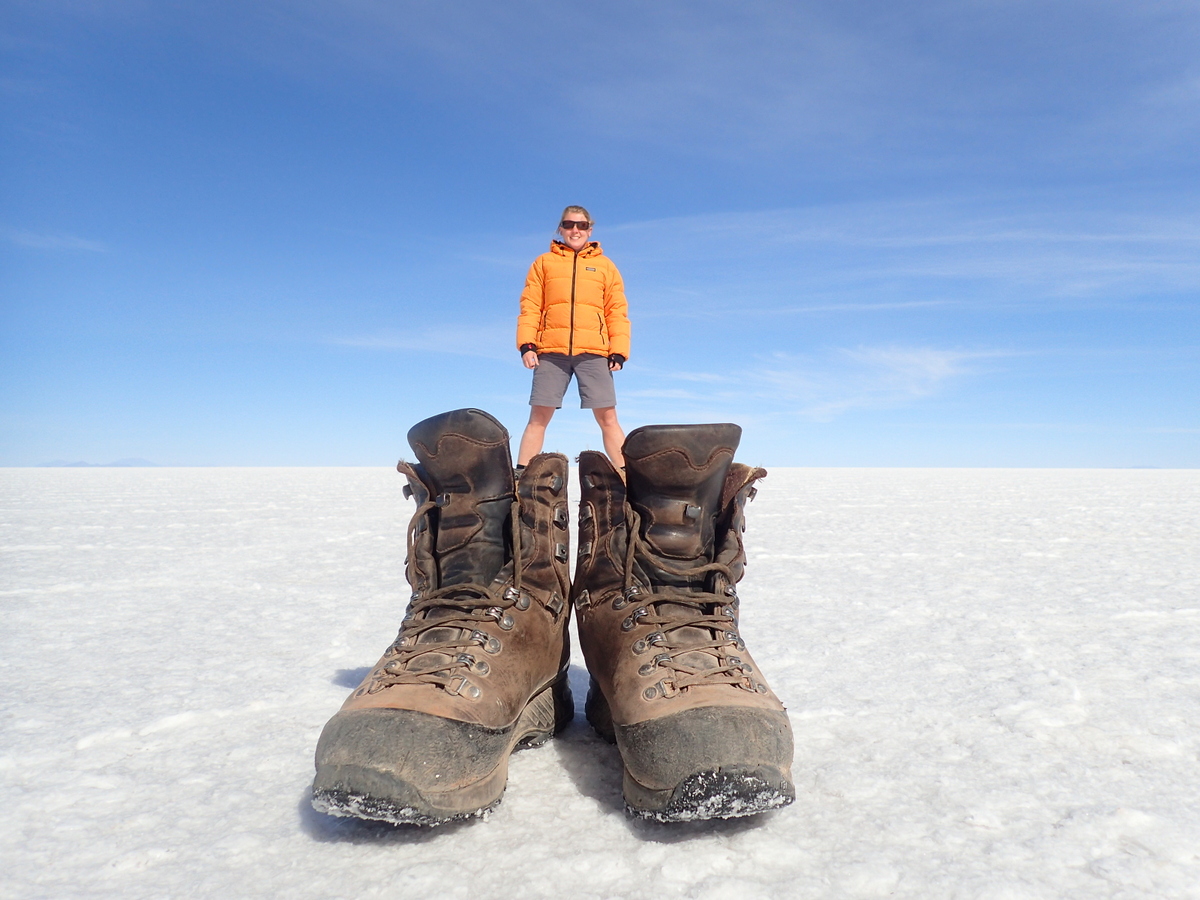
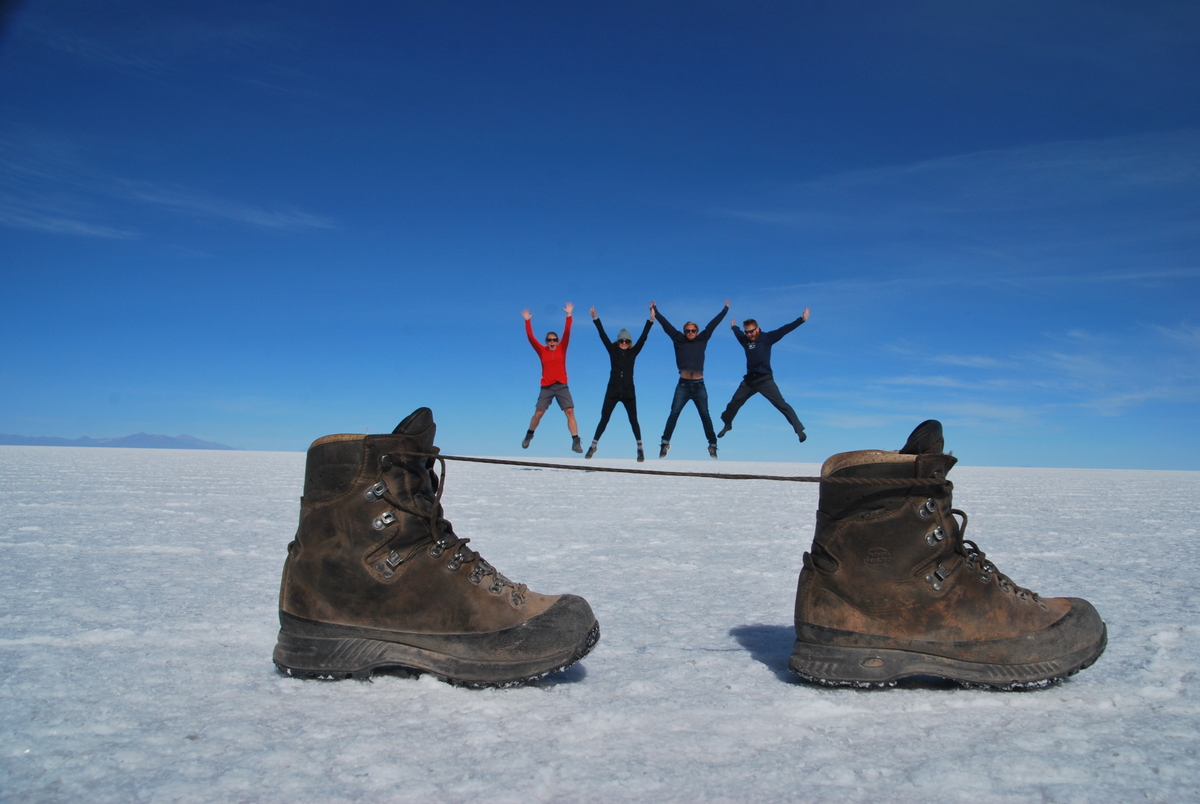
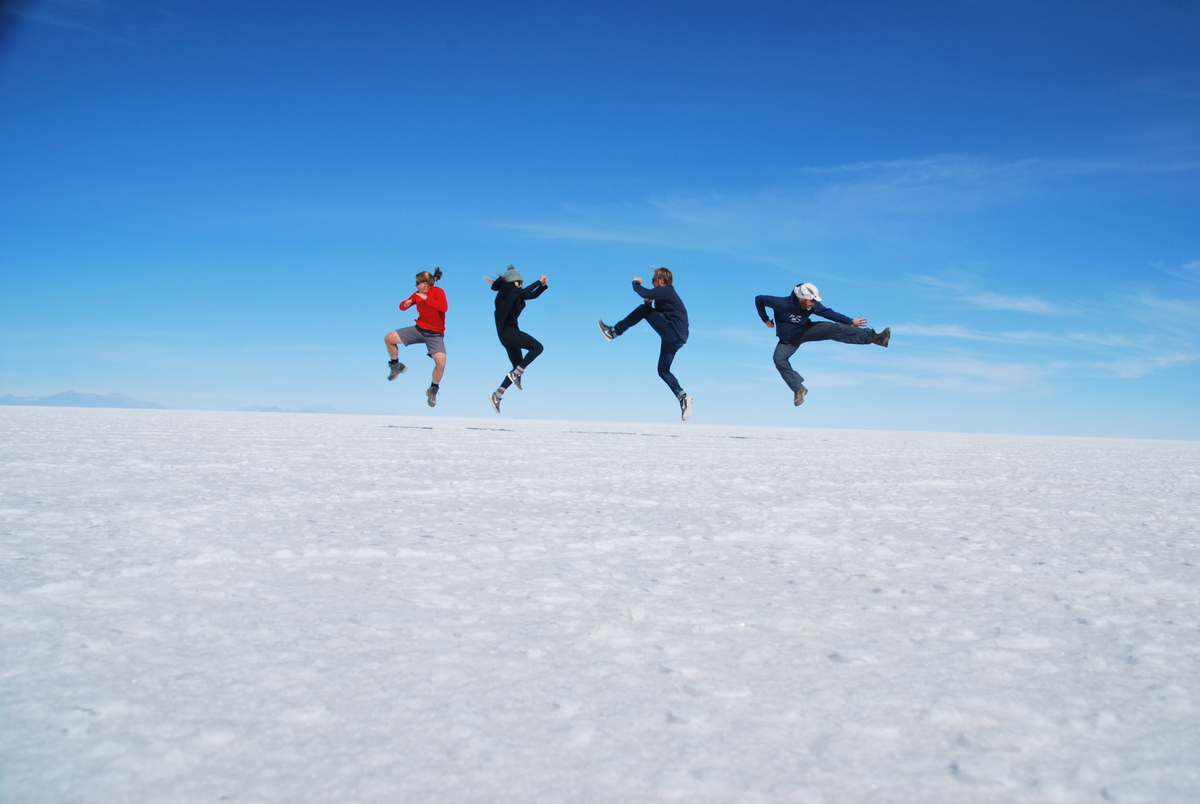
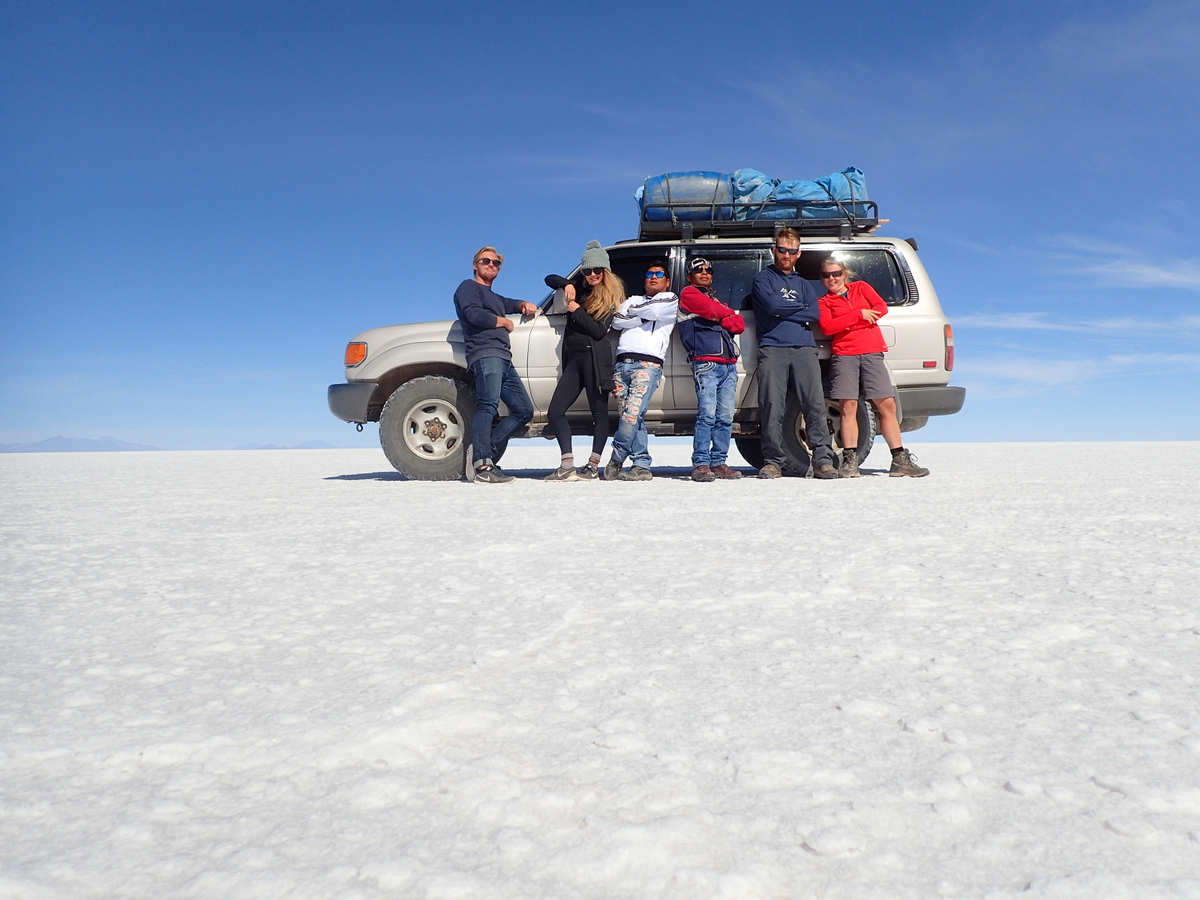
Then it was time to play with perspective on the salt flats. It’s super hard to know how decent your photographs are until you’re back somewhere a little darker than the whiteness of the salt flats, still, some of them came out well, and Cam and Sophie were great fun & full of good ideas for pictures.

84-DSC_0746

76-DSC_071177-P321022678-DSC_072179-DSC_072380-P321023681-DSC_072982-DSC_073183-DSC_074185-P321025486-P3210278

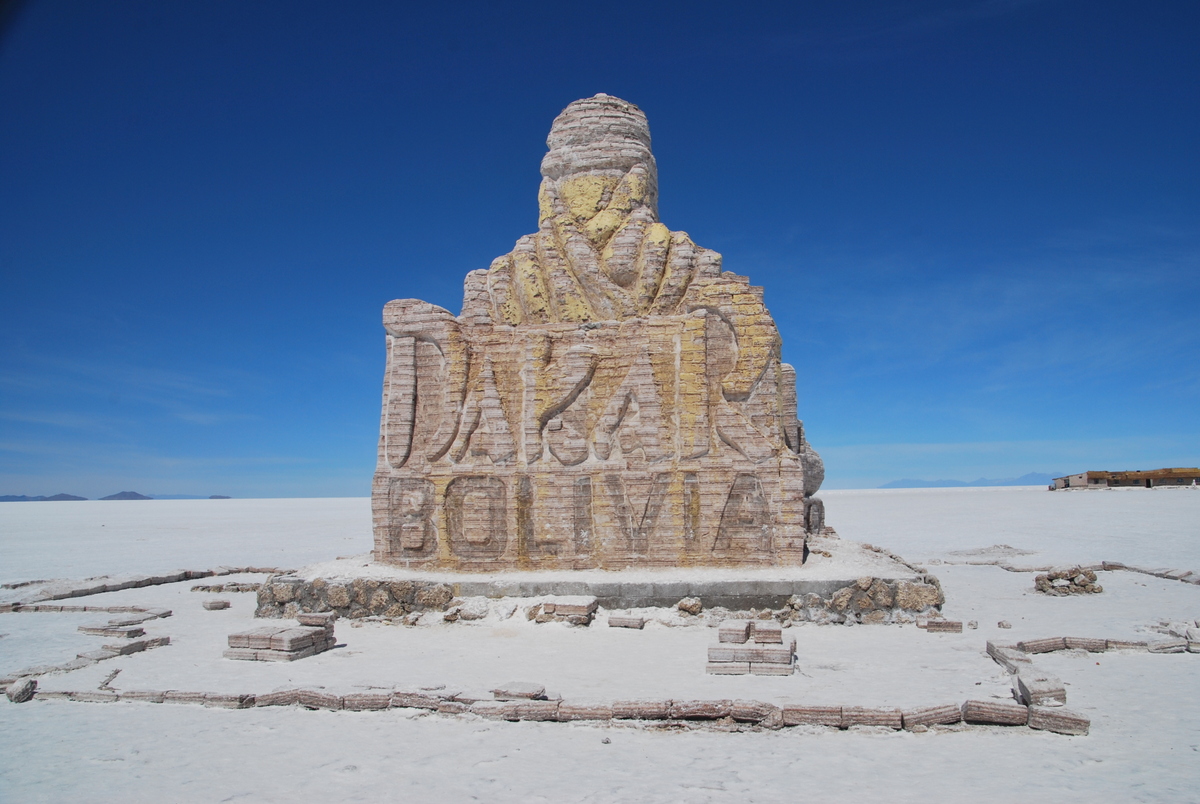
The Dakar Rally was held here a couple of times. Apparently it takes a Jeep about 2-3 hours to drive around the flats, but competitors did it in 40minutes.

87-DSC_0768

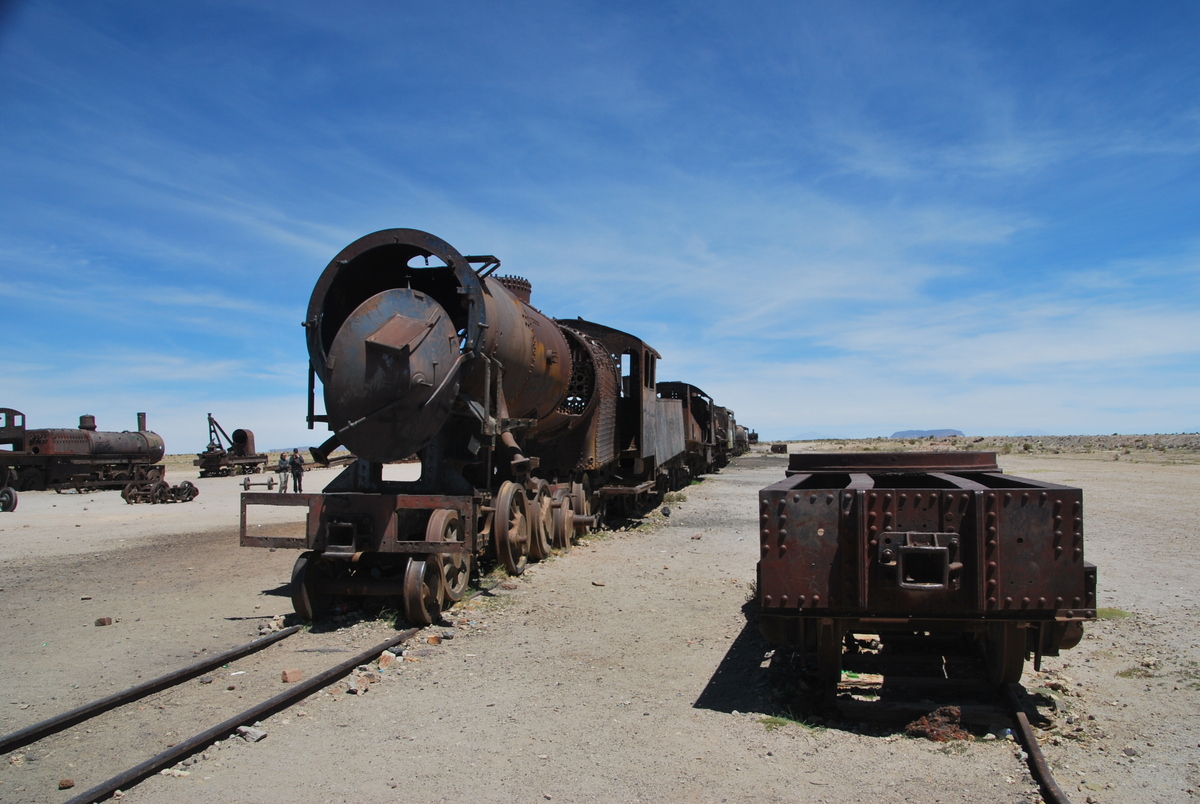
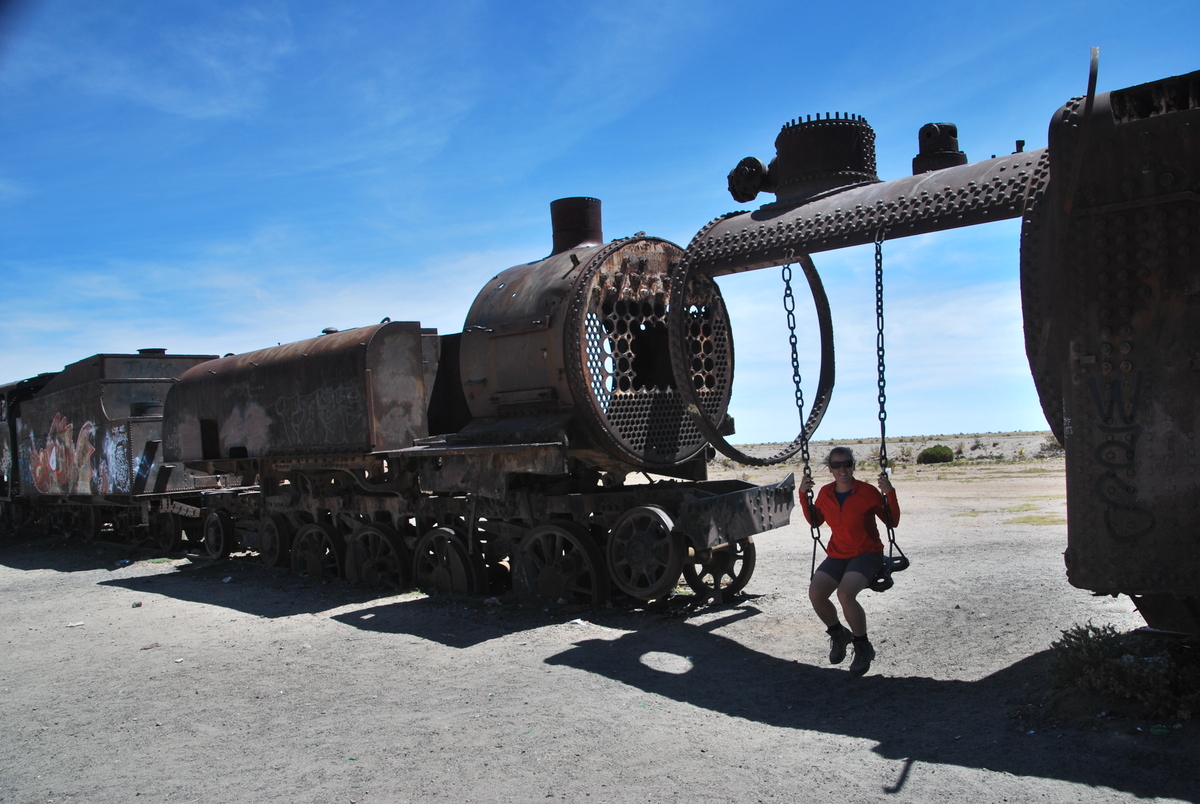
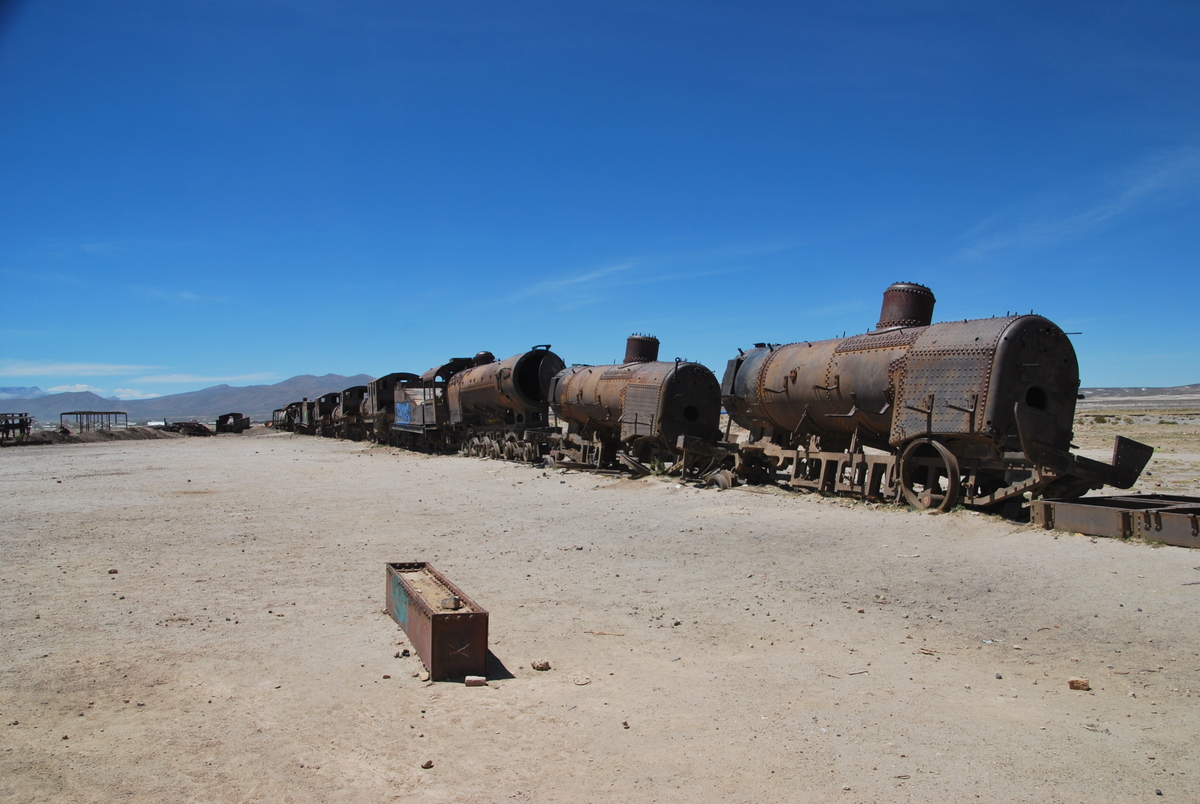
Finally, a quick trip to the train graveyard. When the mining industry collapsed in the 1940s these trains were left here to rot.

88-DSC_077089-DSC_077690-DSC_0777

It was a magnificent landscape to visit. It would have been great to have had a day or so longer to just be there, spend some time in the quiet of the place, play with the light and distance. Maybe we’ll have to come back and cycle tour around ;)

En route to Salar de Uyuni (lakes, flamingoes, ventifacts.. this post has it all)

  |  3 Comments

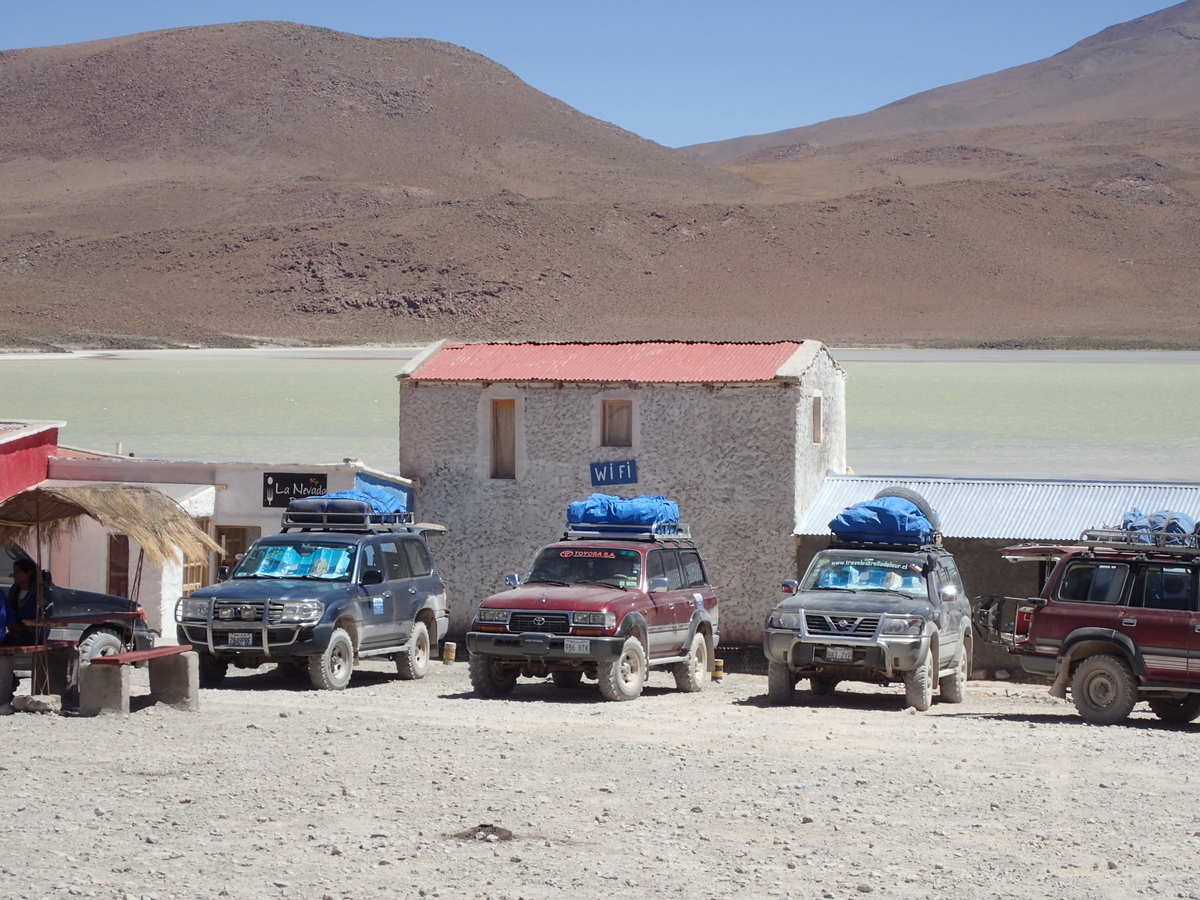
Heh, so, as mentioned in the last post, I’d had an evil night before this trip and was feeling quite ill in the morning. Fortunately though, the hostel staff took very good care of me and found some decent pro-biotics to help fix the system. Our other two fellow adventurers on this trip (Cam and Sophie – both from Christchurch!!) also had stomach issues! While a bad thing, in the sense that it’s not nice having stomach issues, it was good in the sense that we could all relate to each other, tell war stories etc. ;)

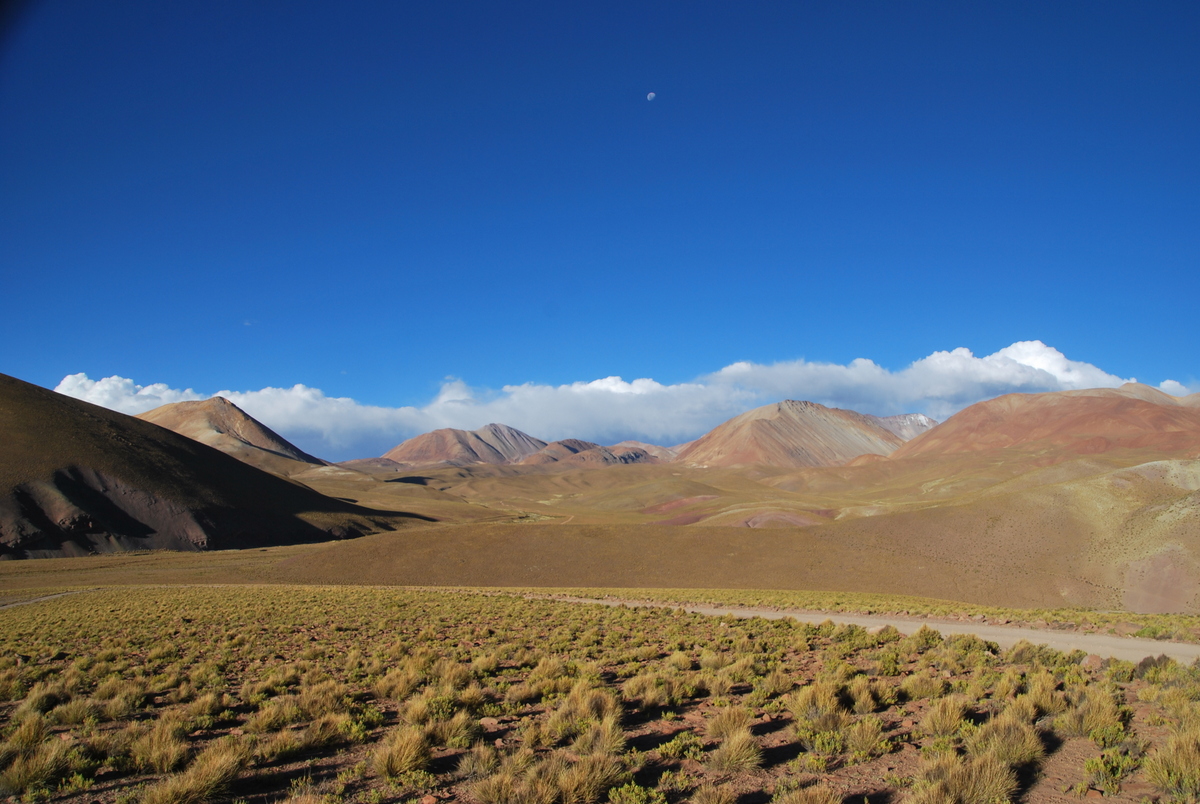
Anyway, the first day was quite a long, covering a lot of distance. Fortunately there were enough and frequent stop for all necessities ;)

03-P318002004-DSC_001005-DSC_0022

2-DSC_0011 - DSC_0014

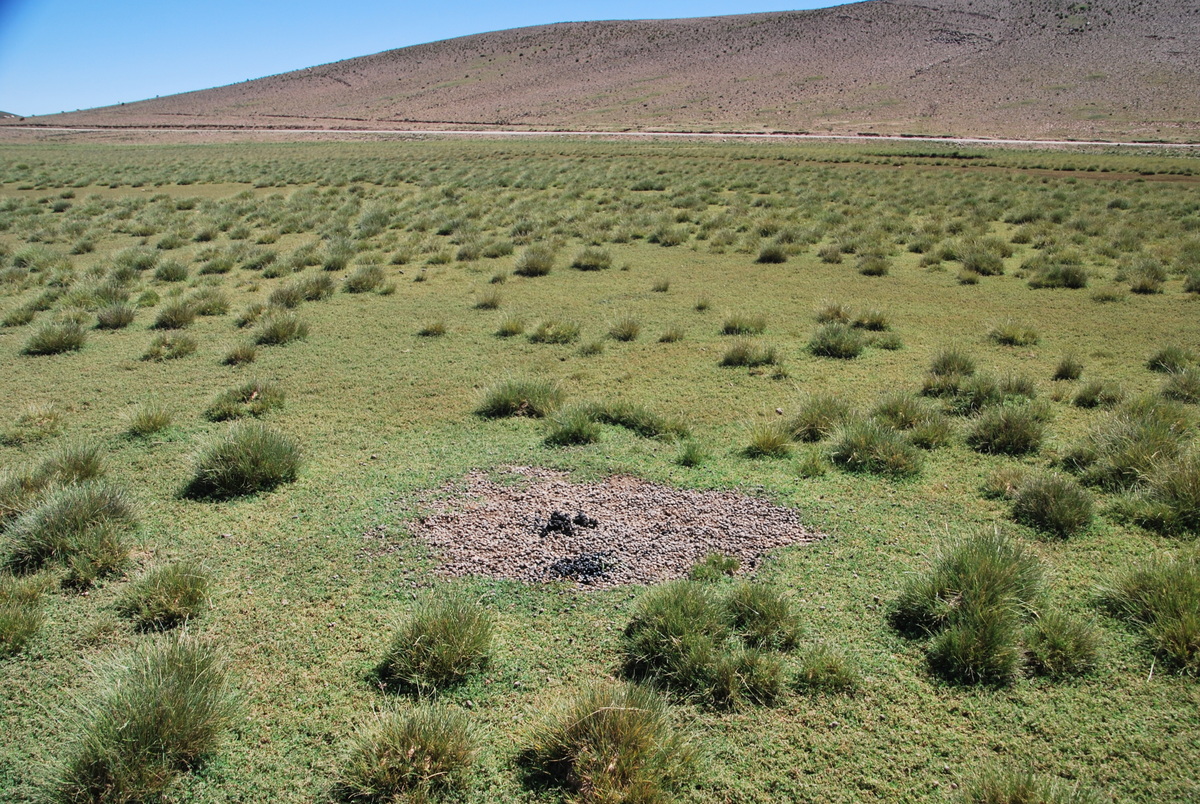
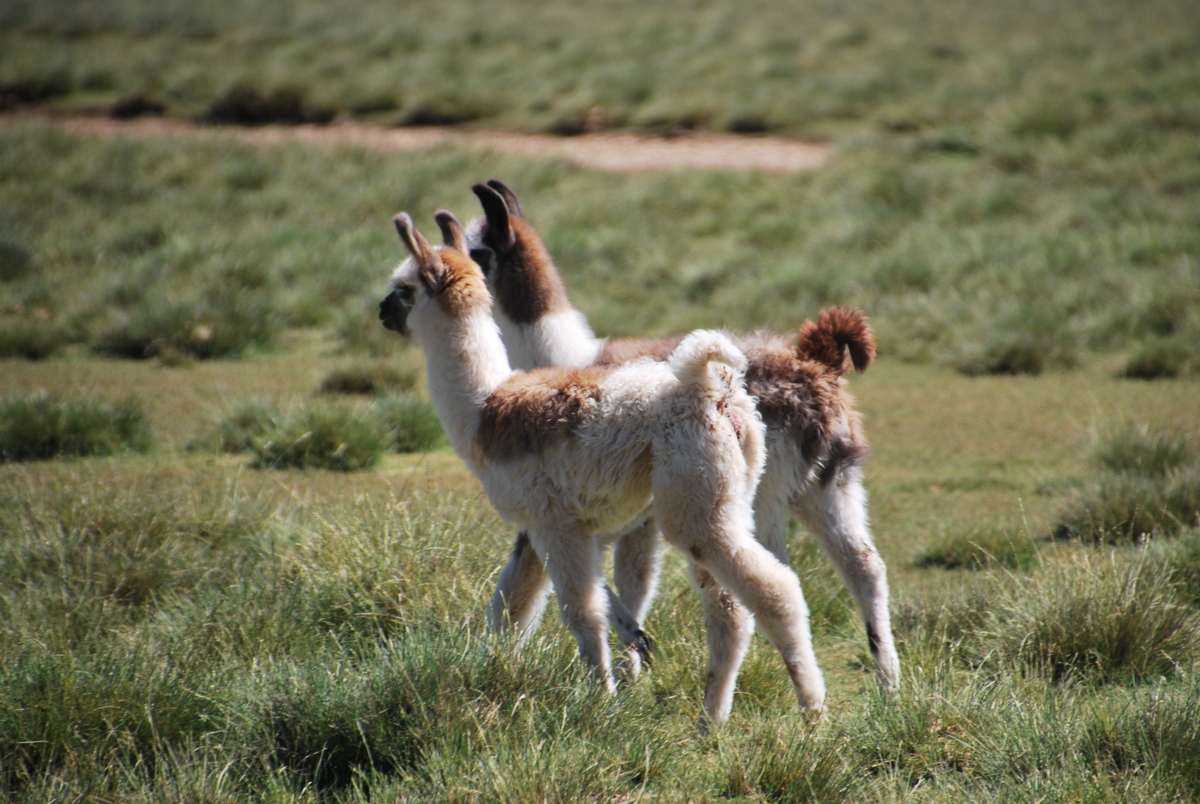
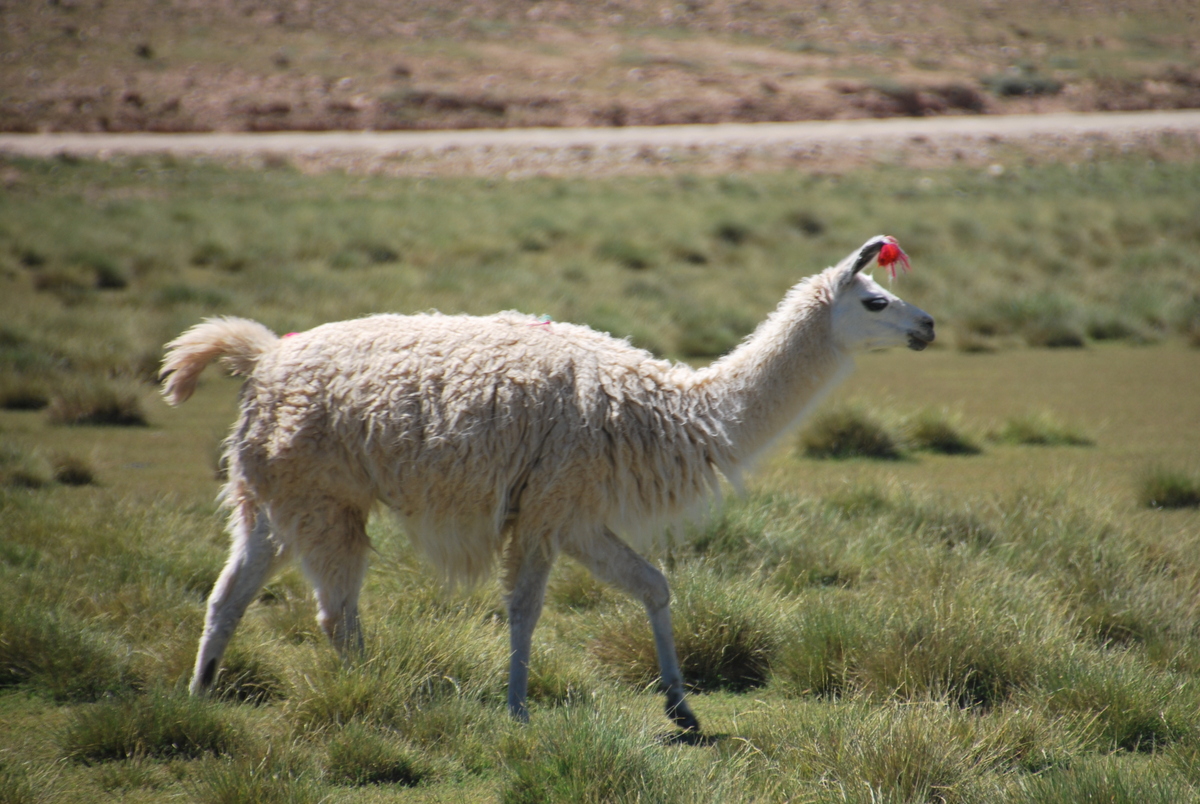
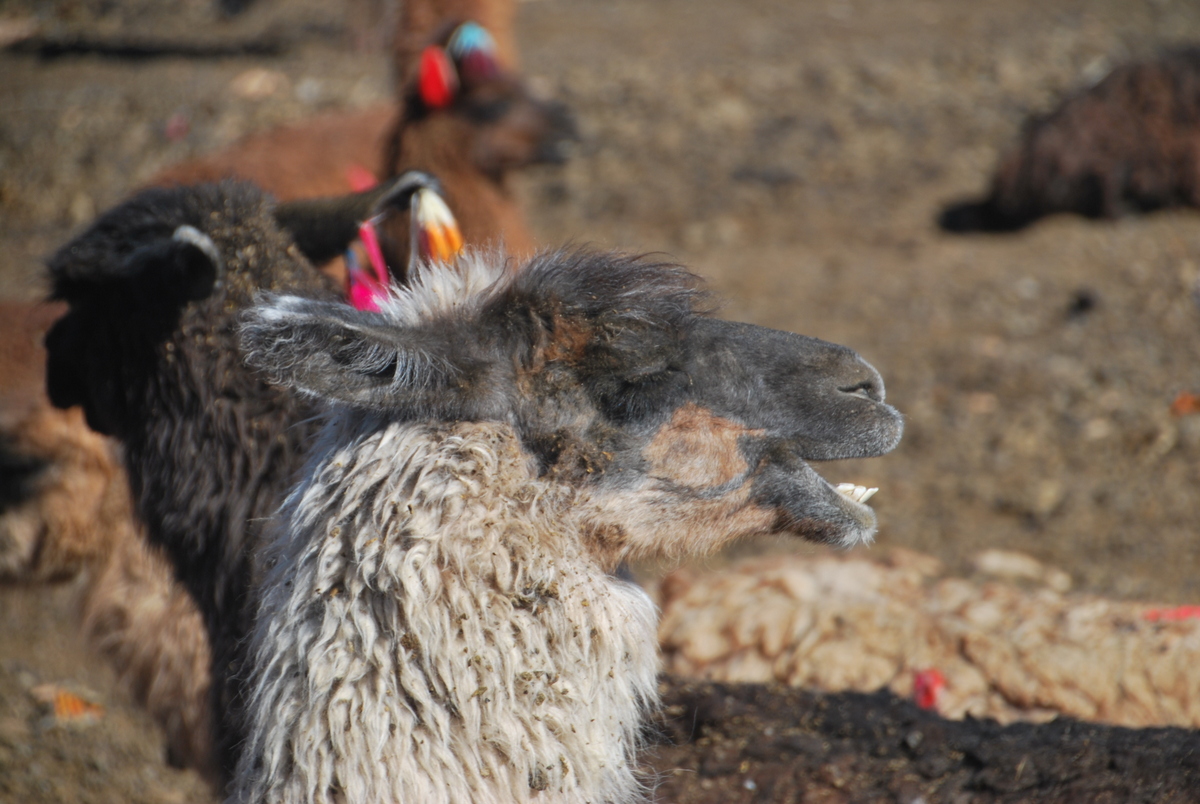
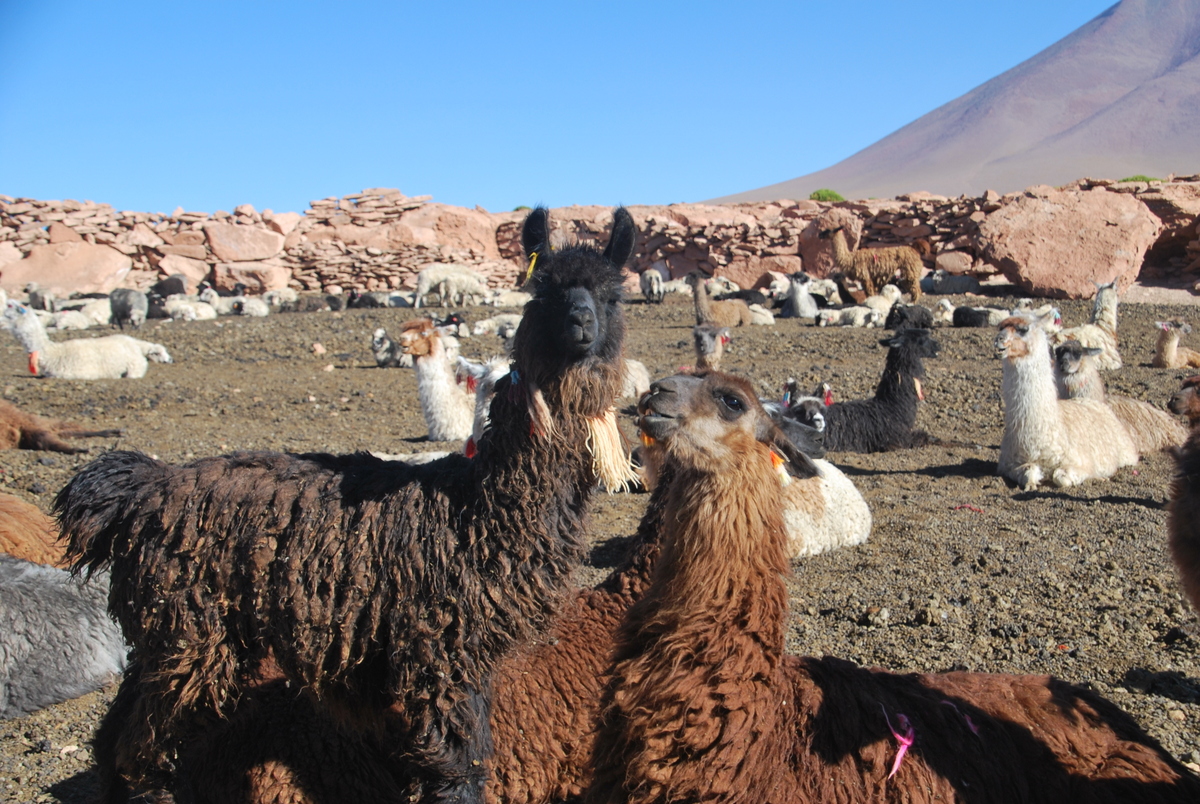
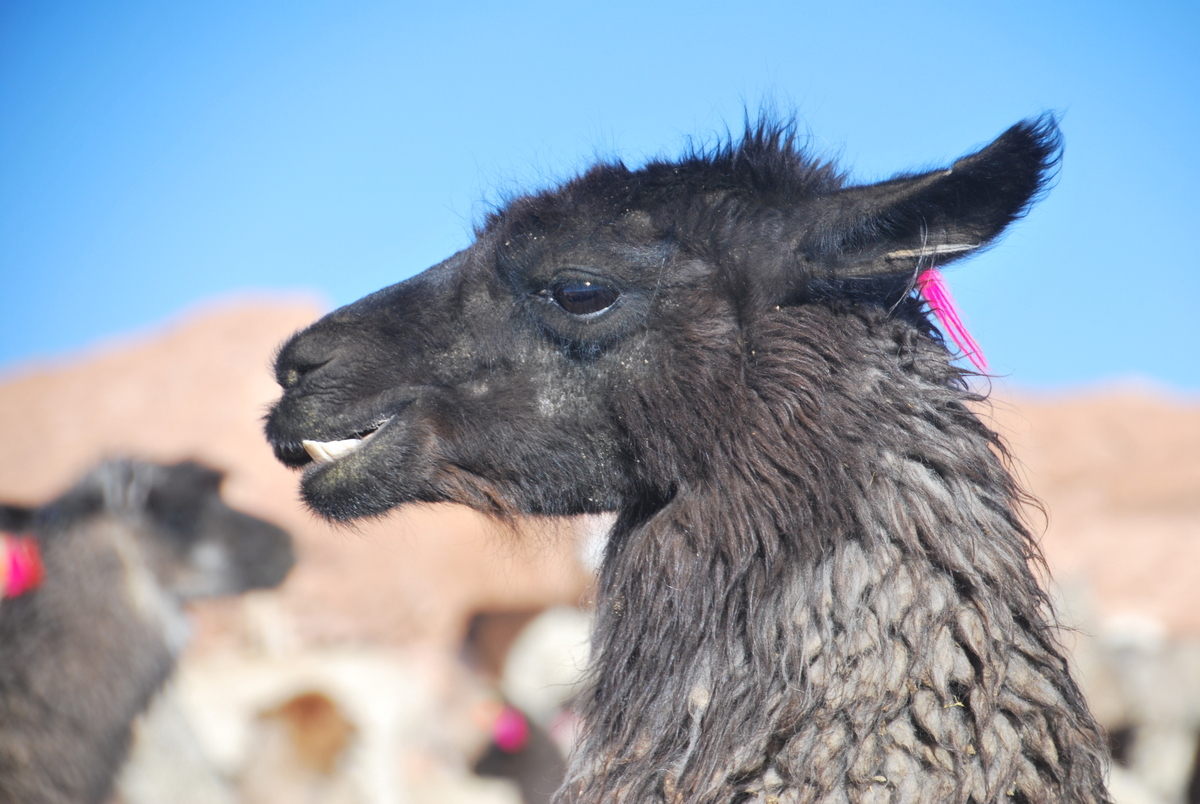
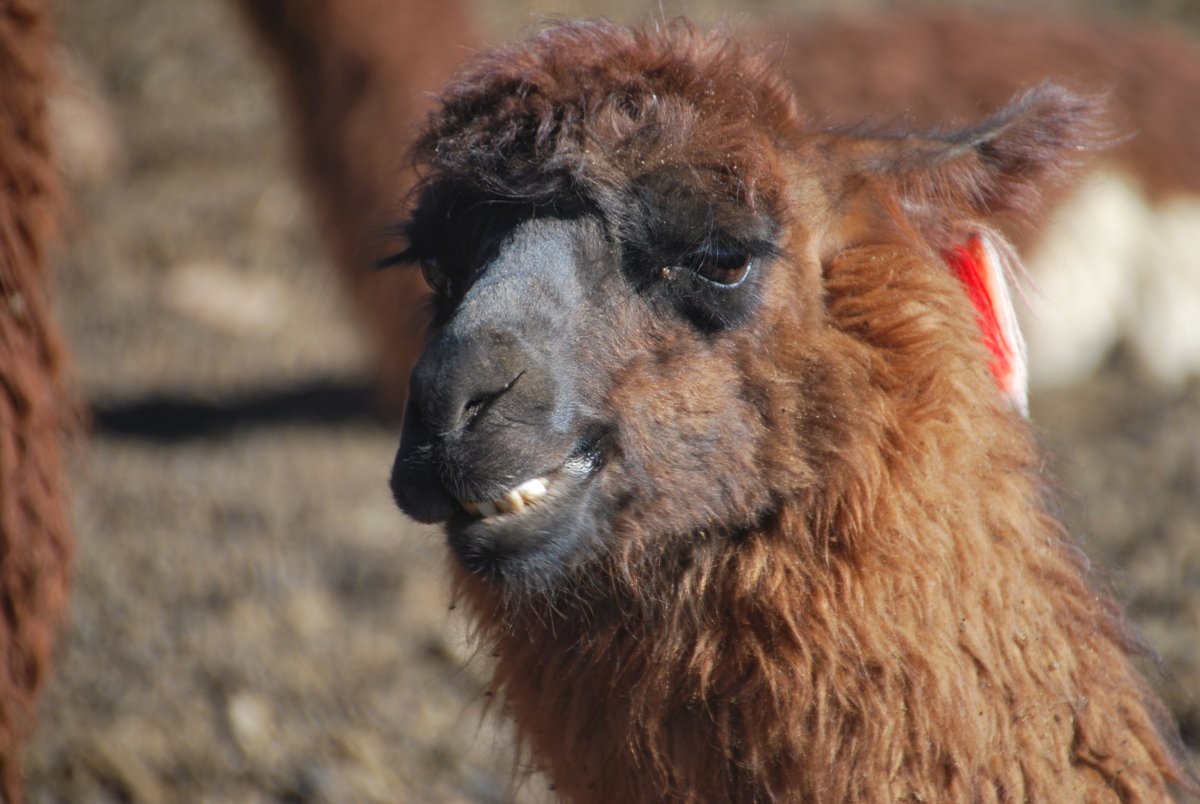
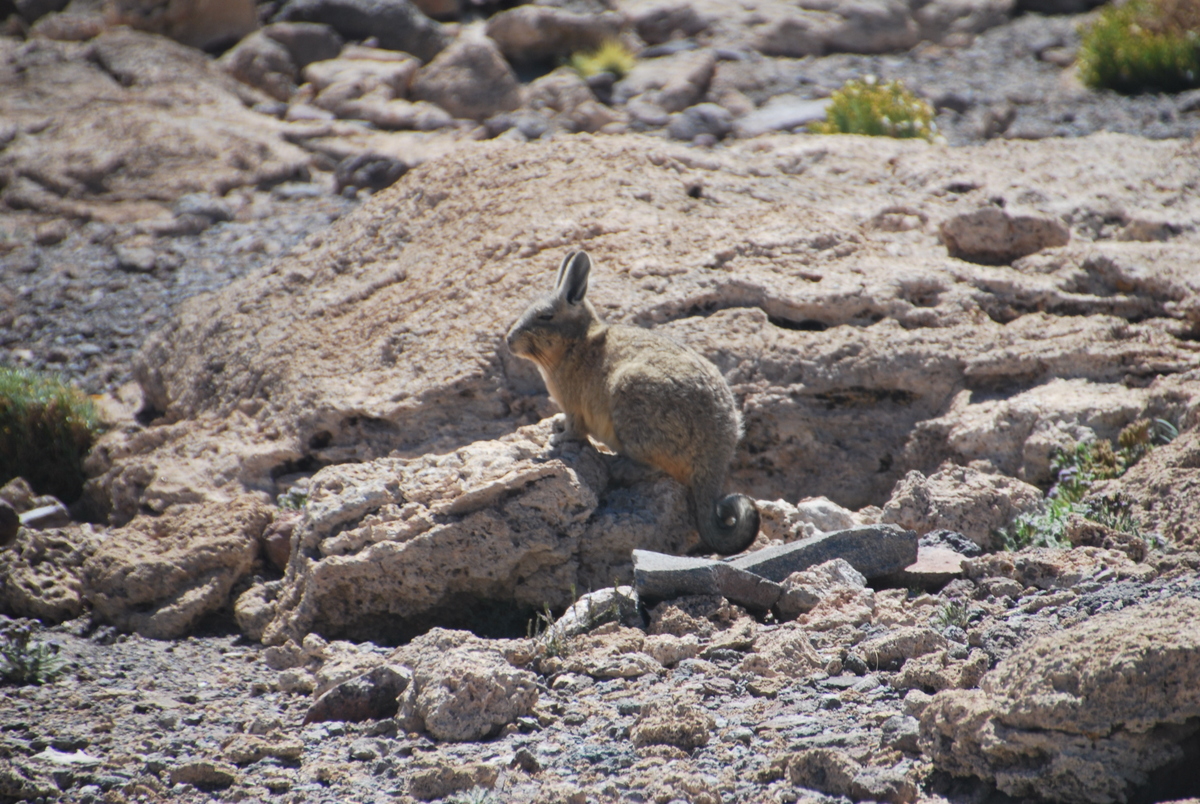
We were to see more of the llamas (a few different species?) llama & vicuƱa(smaller). Our excellent guide, Elvis, told us that llamas are the most polite animals because they all toilet in the same areas. It was quite hard to know what was fact from fiction with Elvis, however, you can see the quite distinct areas where the animals do seem to toilet.

06-DSC_003107-DSC_003508-DSC_0058

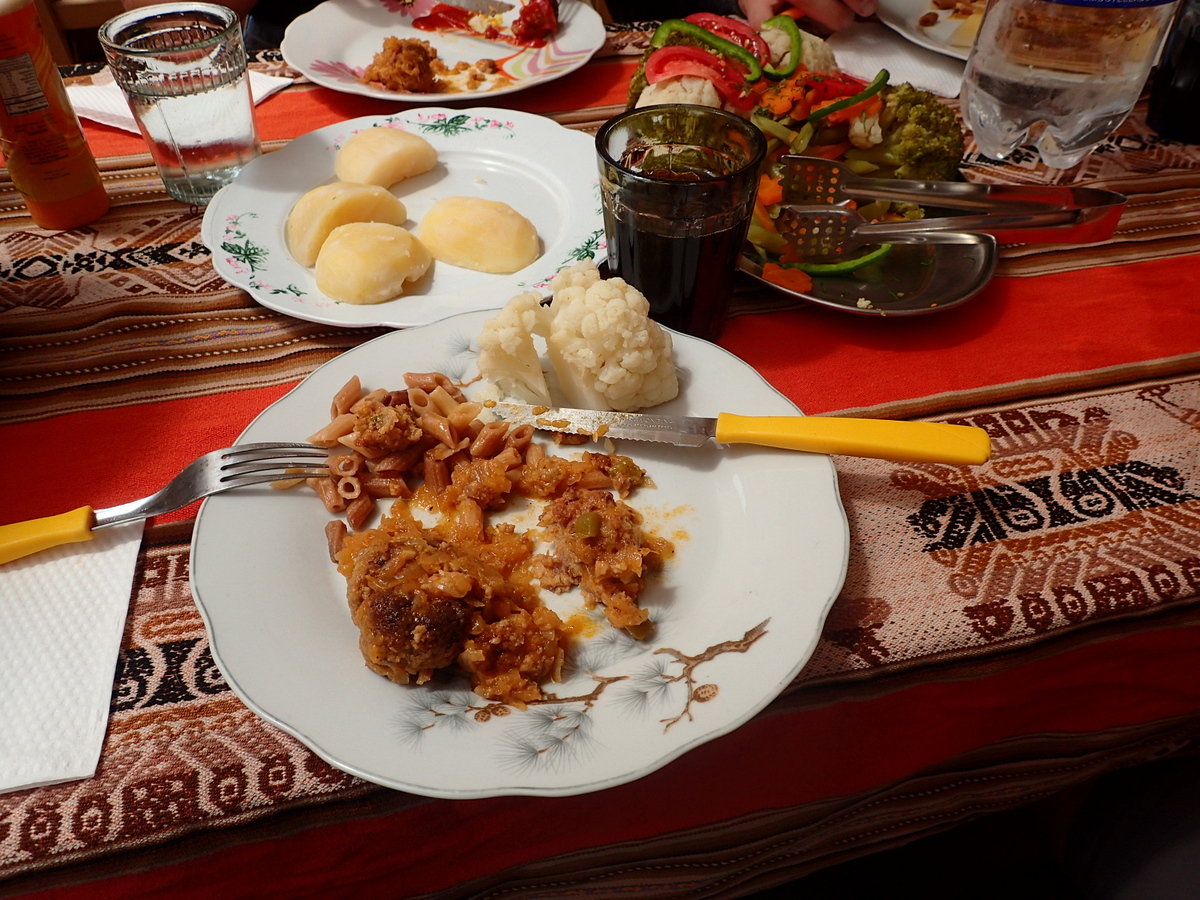
Then it was time for lunch. I forgot to take a picture of what I ate. The food was excellent, however, I was just eating rice this first day. Maaike had her own back from when I was eating all the delicious food at Aldea Luna and she was the one having plain rice ;)

09-DSC_006910-DSC_0076

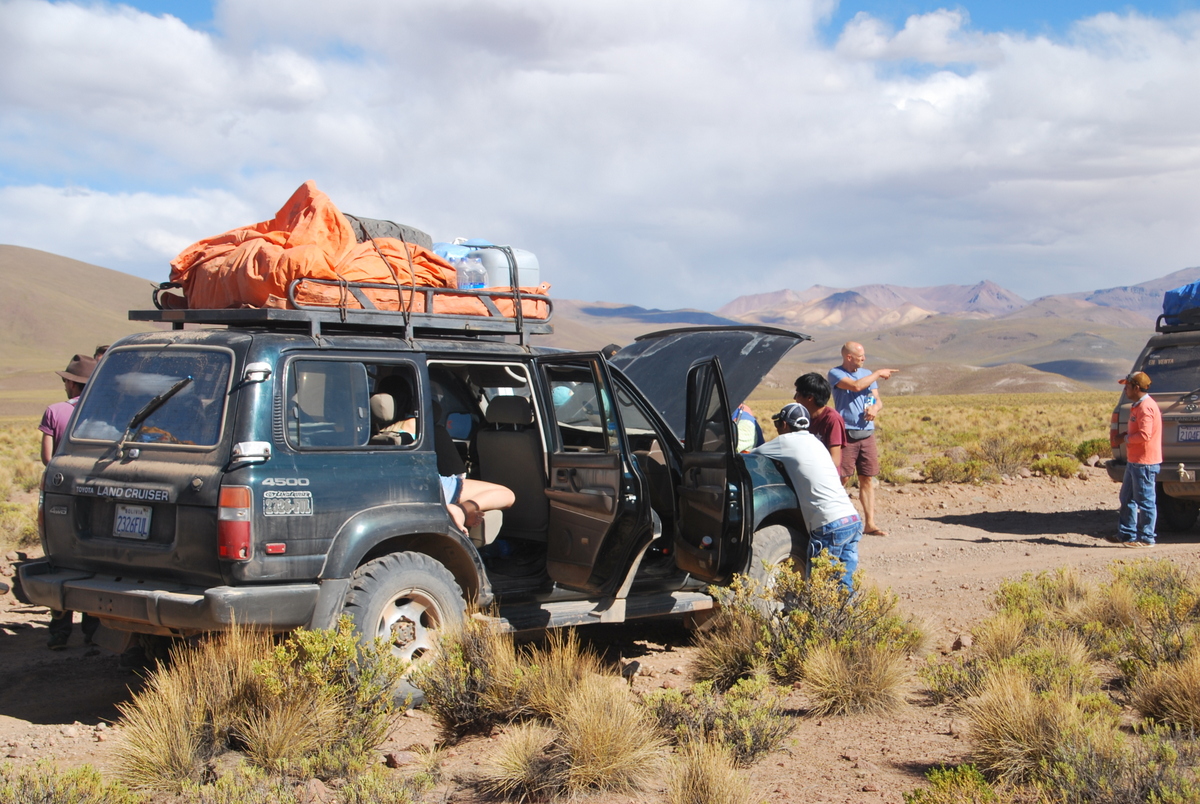
Breakdowns on the trip were not infrequent on the first day. Not our car to be fair, one of the others. Elvis explained that while in town all the companies compete for the business, out in the desert they’re one big family (for security purposes). Still, I wonder if there are sharp words when back in town for the more lackadaisical operators… I wonder.

11-DSC_0094

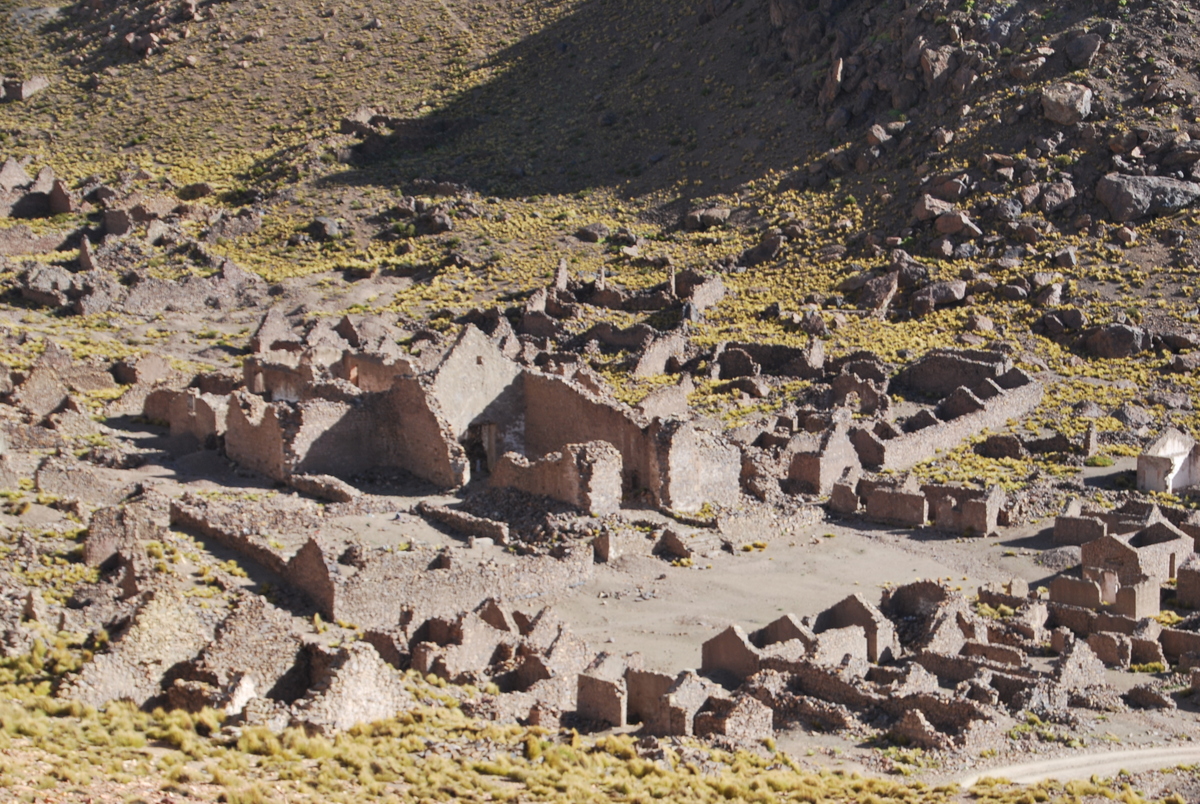
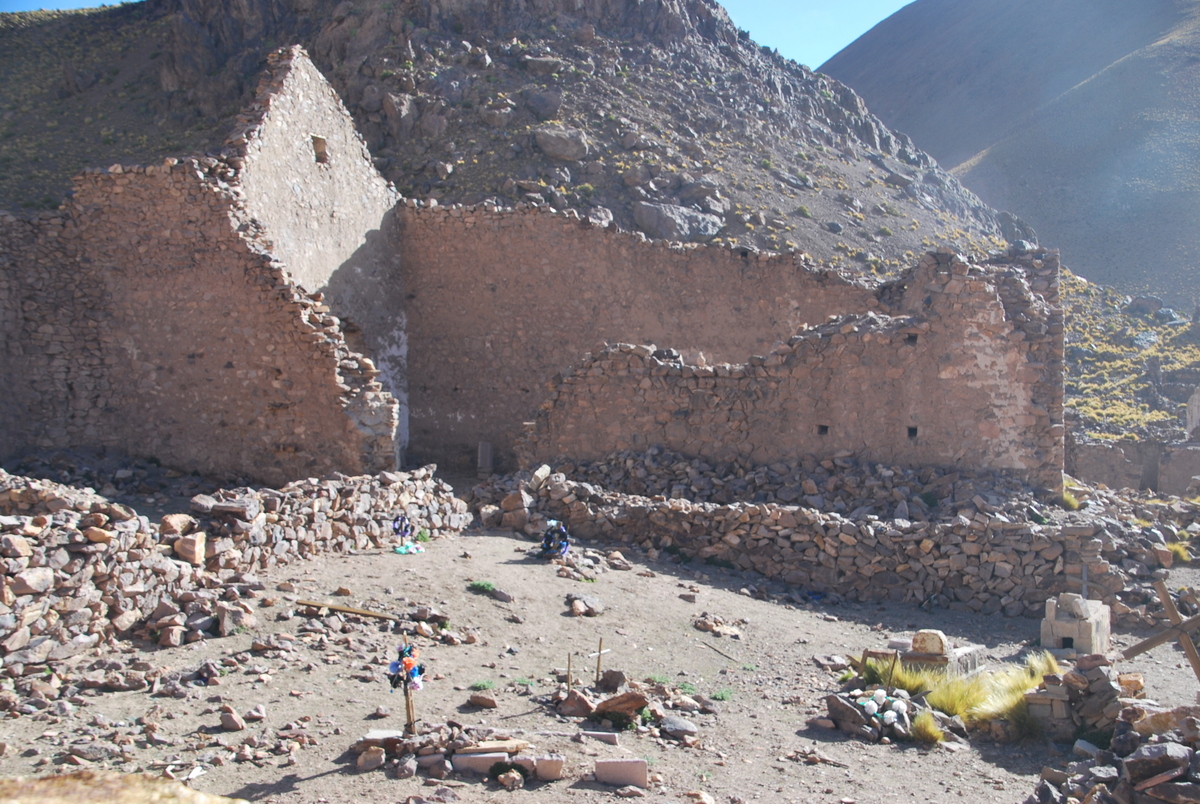
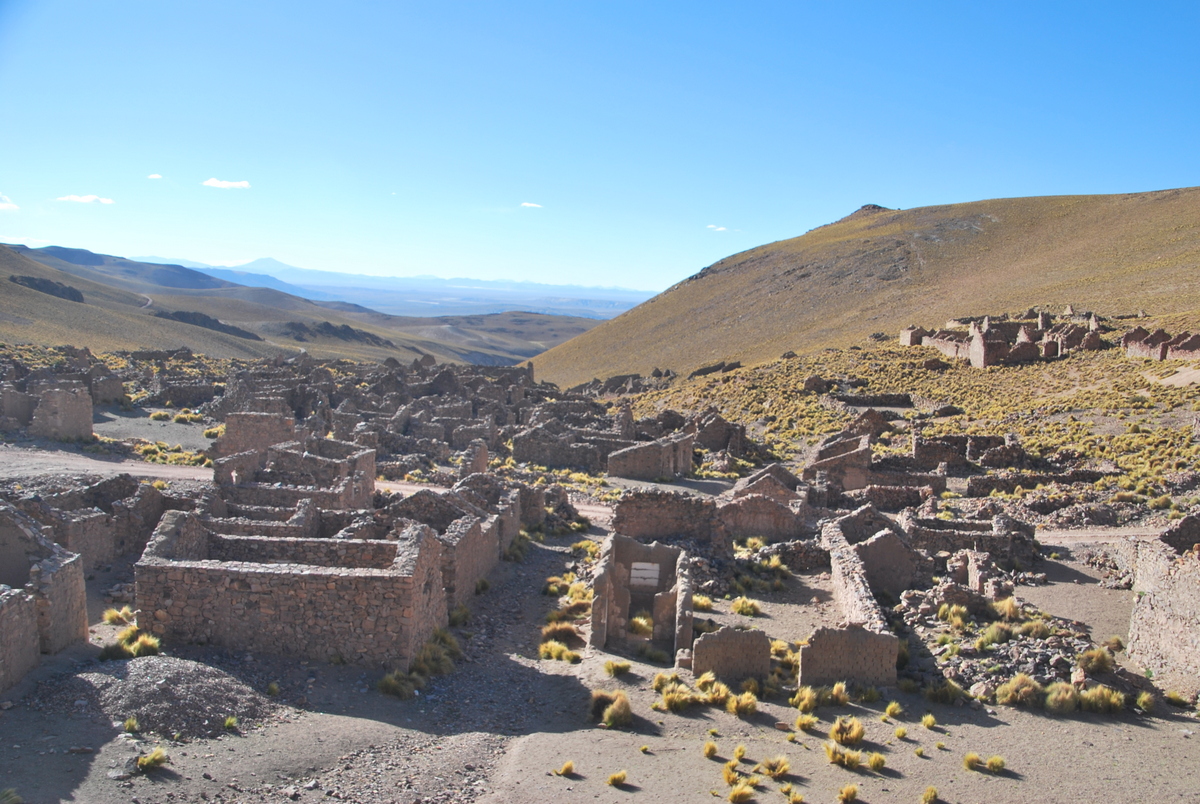
Next up was the ā€œGhost townā€ of San Antonio. According to Elvis it was the top three ā€œrichest townsā€ in the world, back in its heyday. I can’t find any sources to back up that statement though. That said, it was a major centre of the Spanish colonial extraction of gold & silver, so, I’m sure a lot of wealth was extracted from here anyway. Had a population of 2,000 odd.

12-DSC_009613-DSC_011114-DSC_0115

Then a little more driving to reach the hostel for the evening. We were all a little knackered by the time we got in, sometime around 8pm ish. A long day, but a good day.

15-DSC_012416-DSC_0139

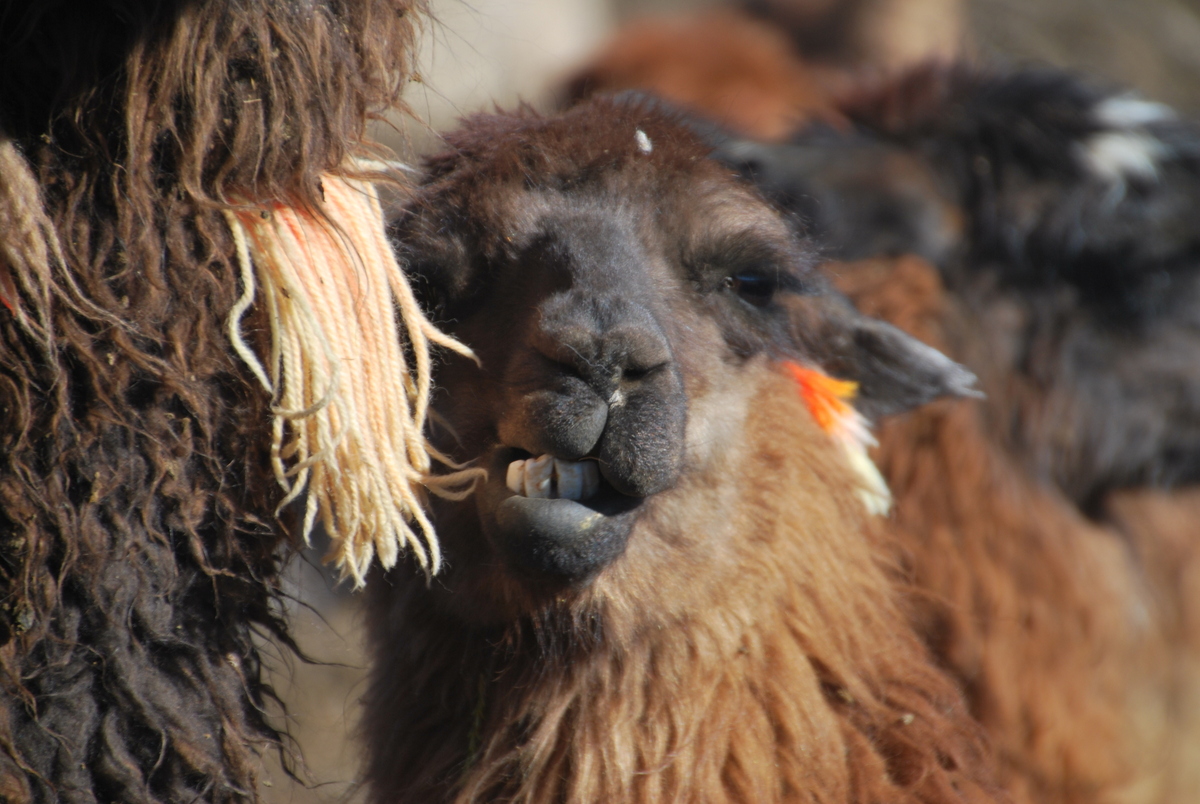
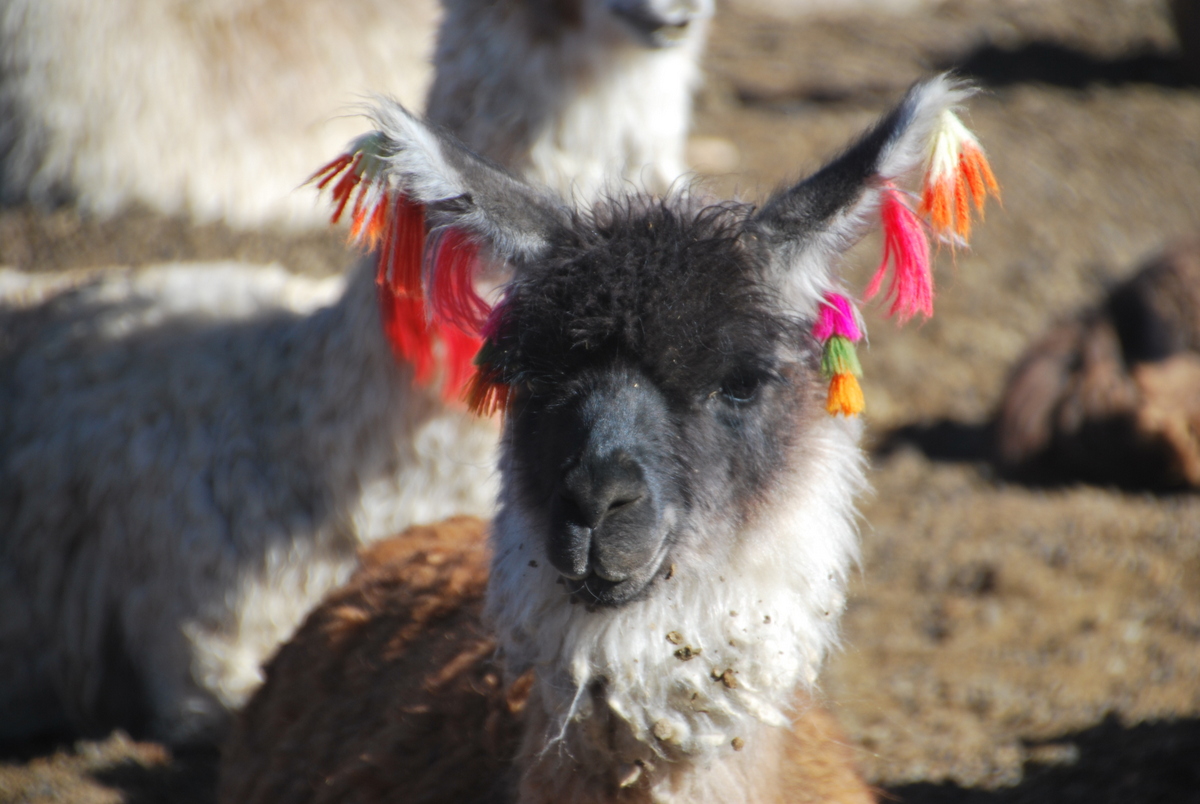
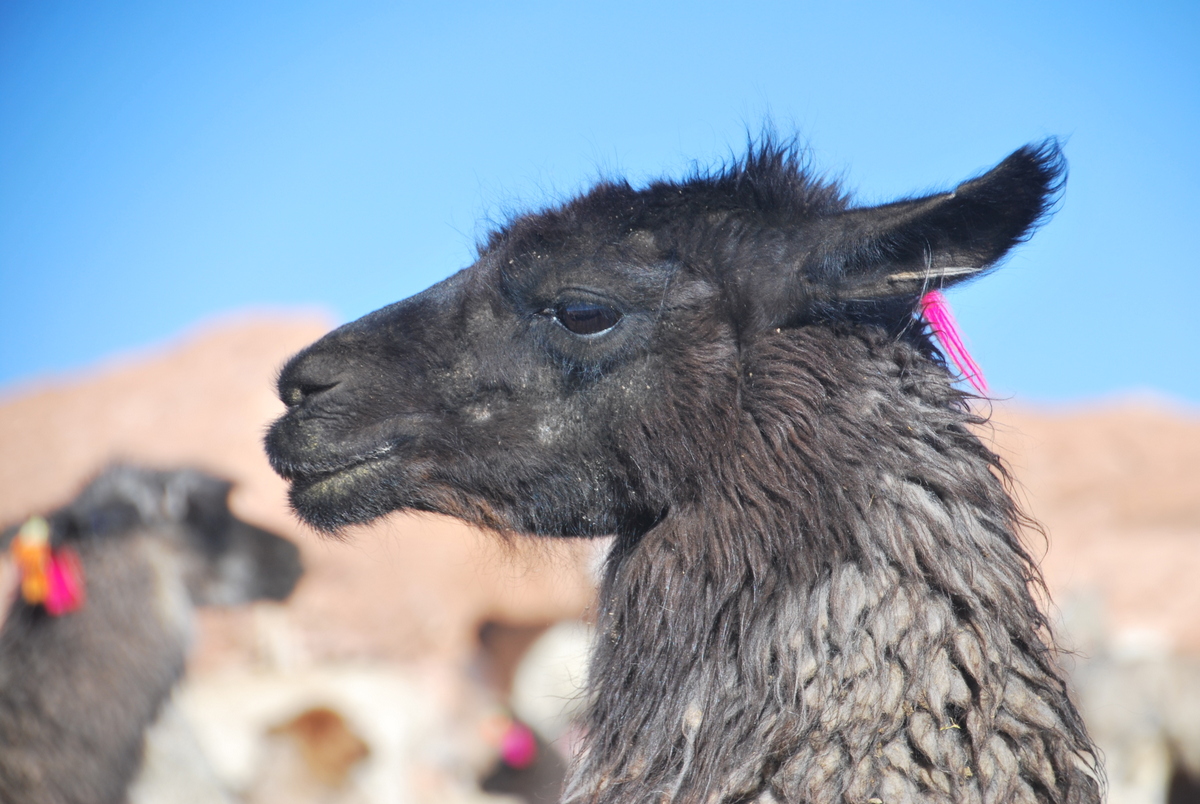
The next morning up early and off to see some llamas. Photogenic creatures to be sure.

17-DSC_015020-DSC_015421-DSC_015524-DSC_0161

They also tell jokes to each other, as you can see in these before & after photos.

18-DSC_015119-DSC_0152

22-DSC_015623-DSC_0157

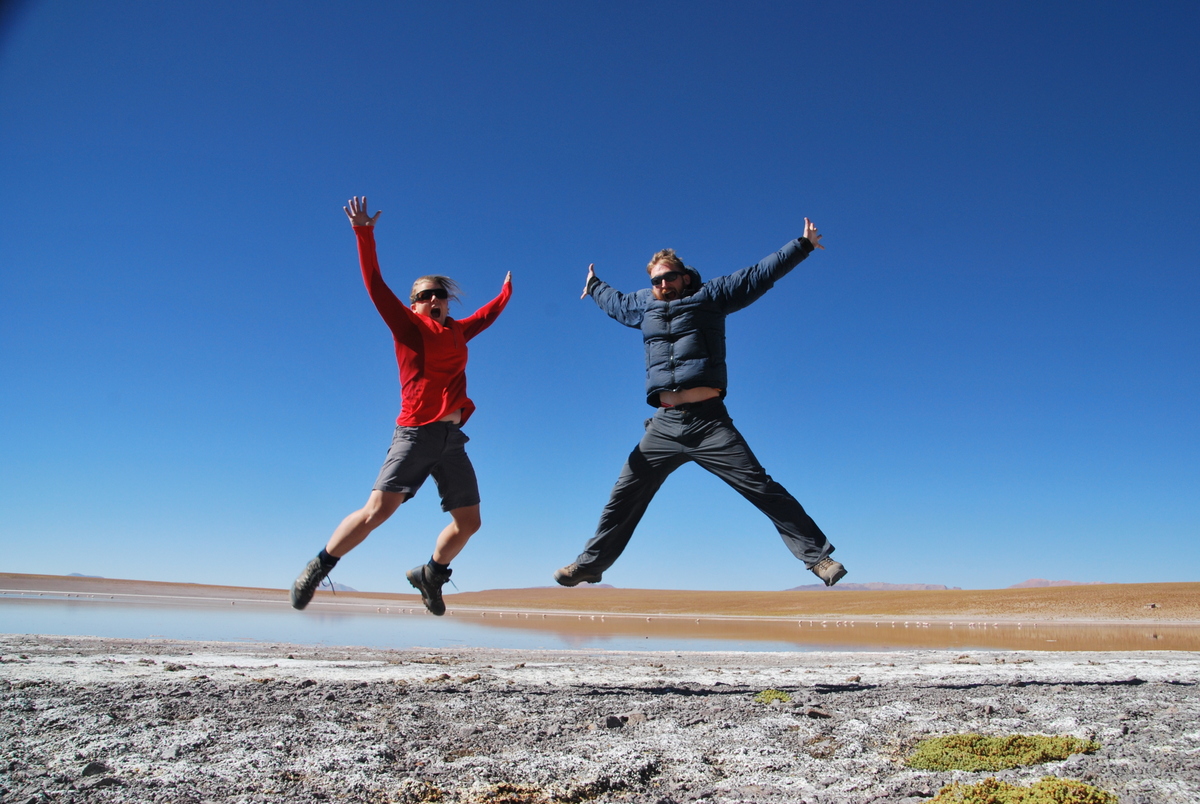
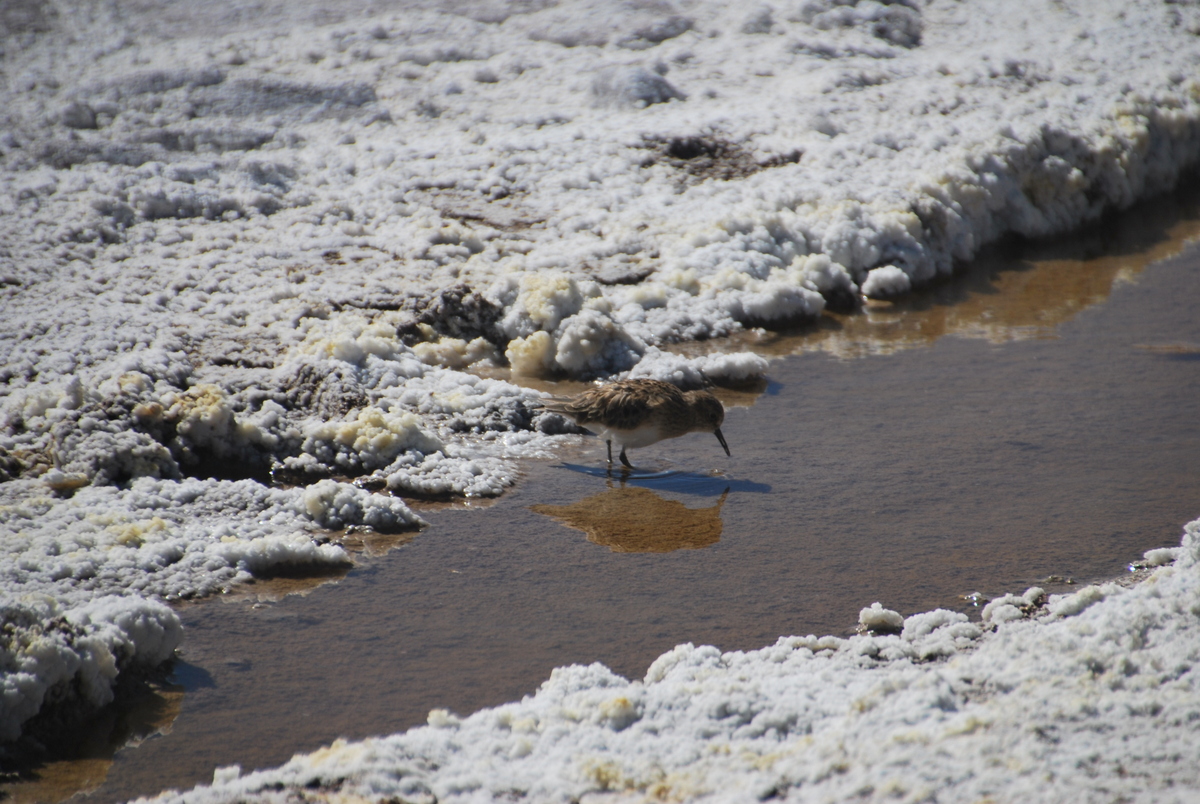
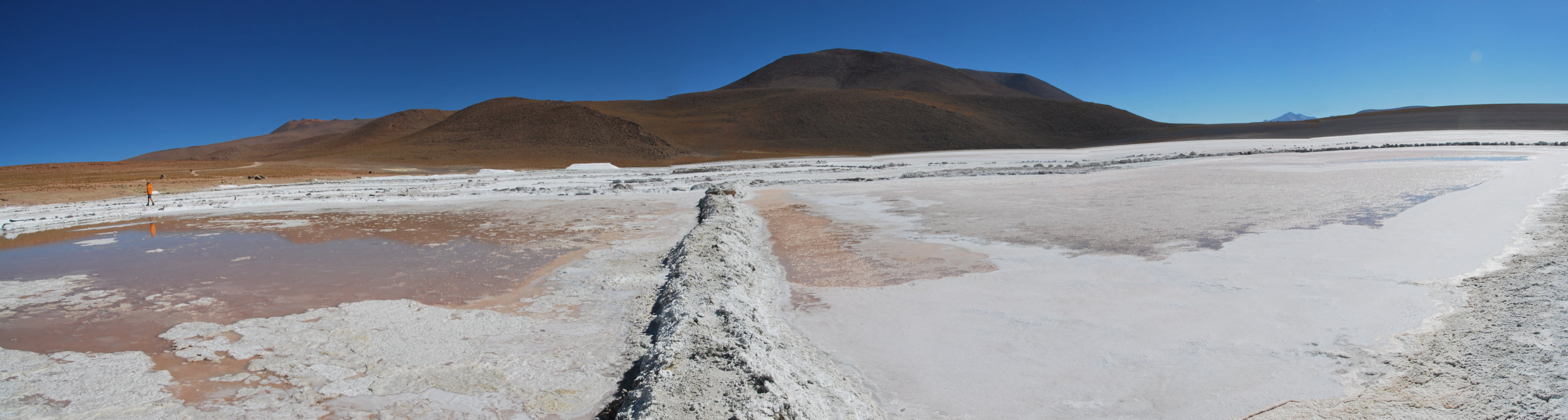
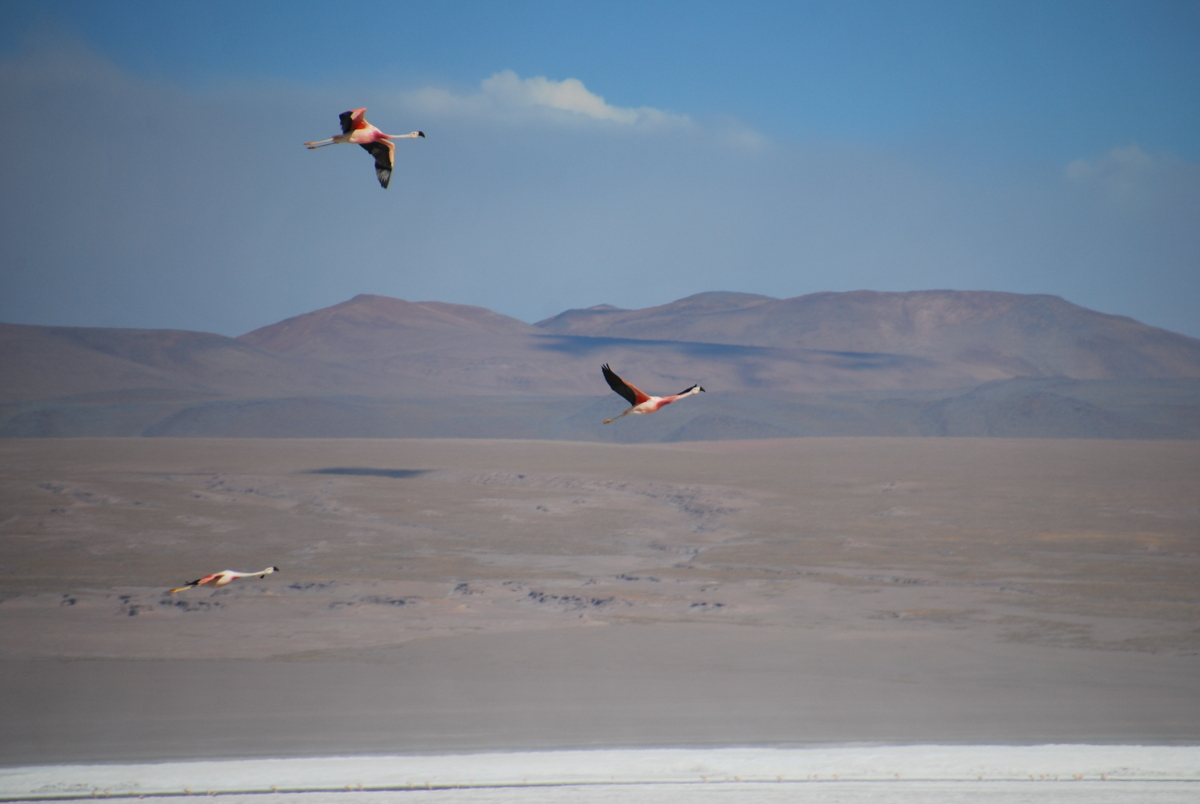
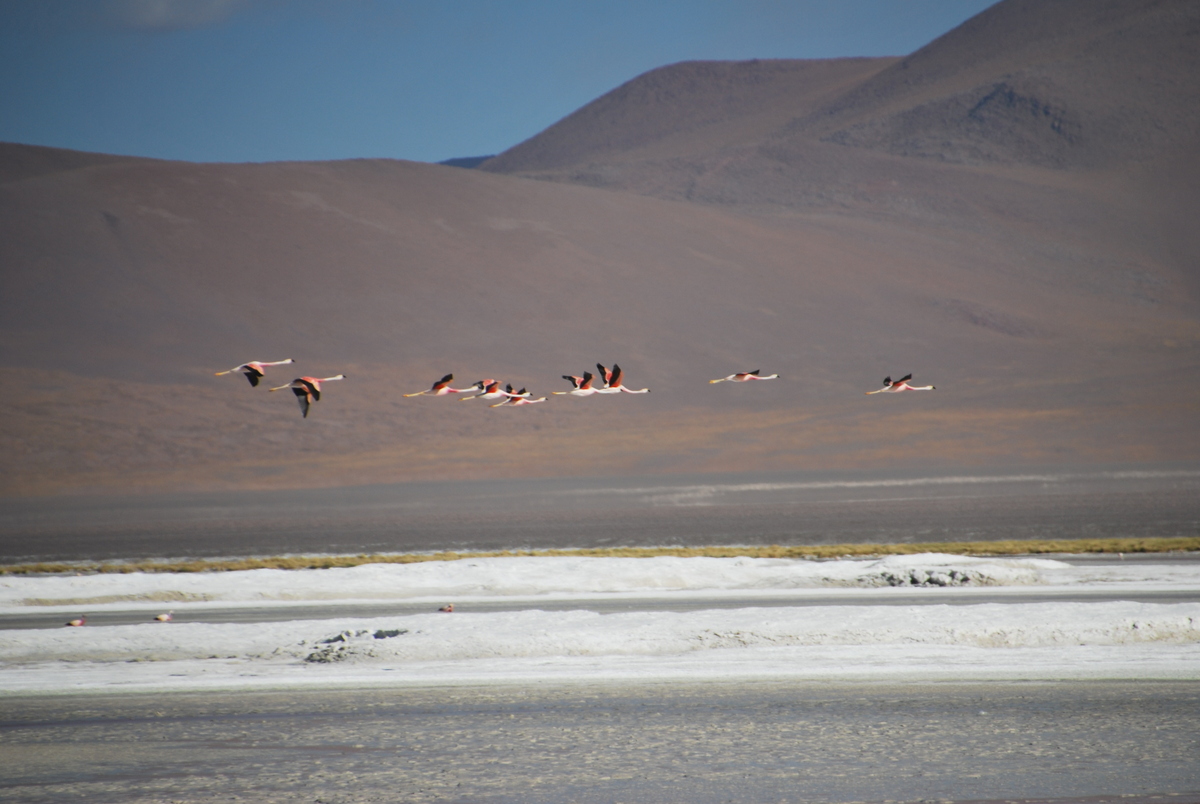
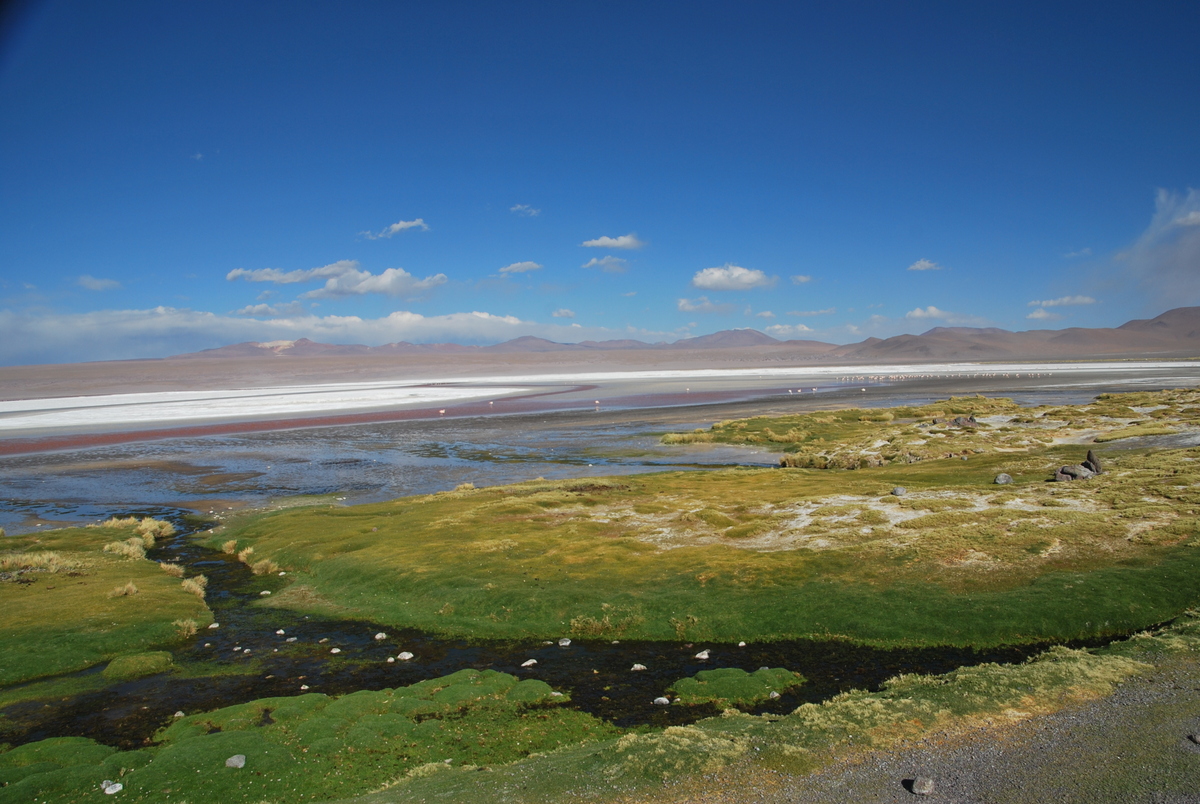
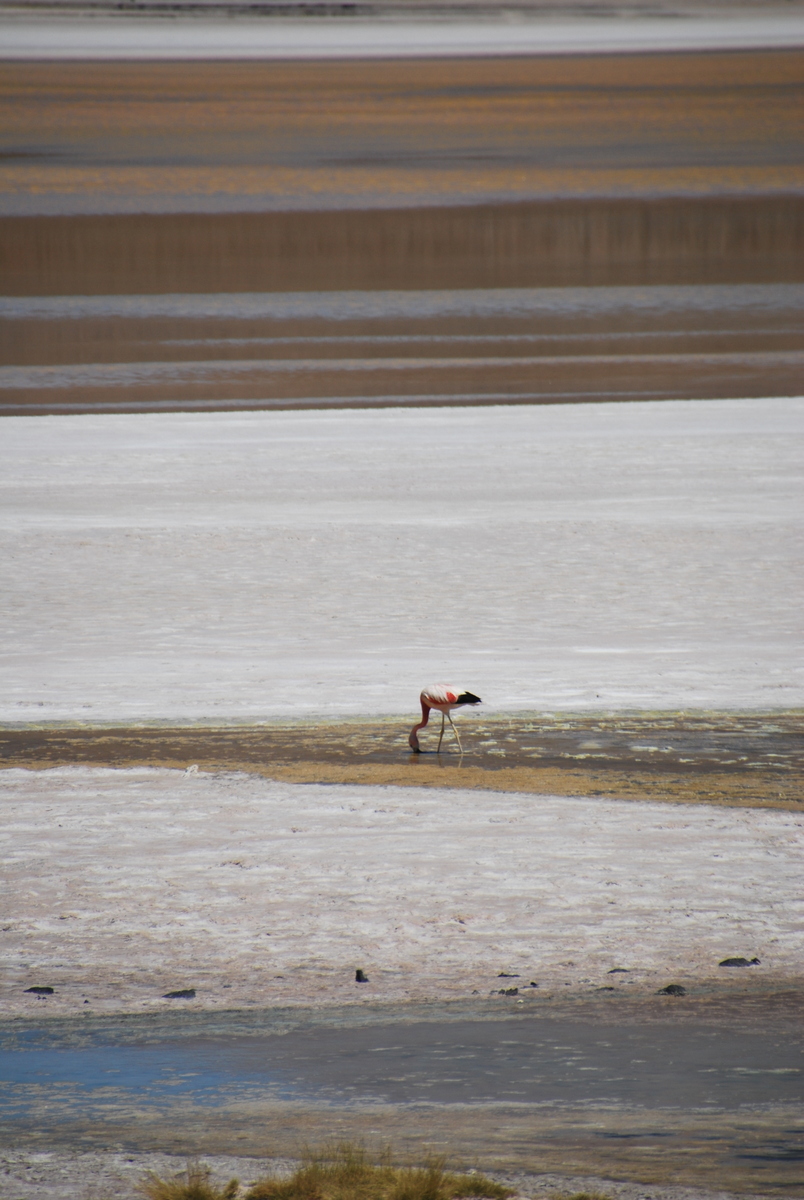
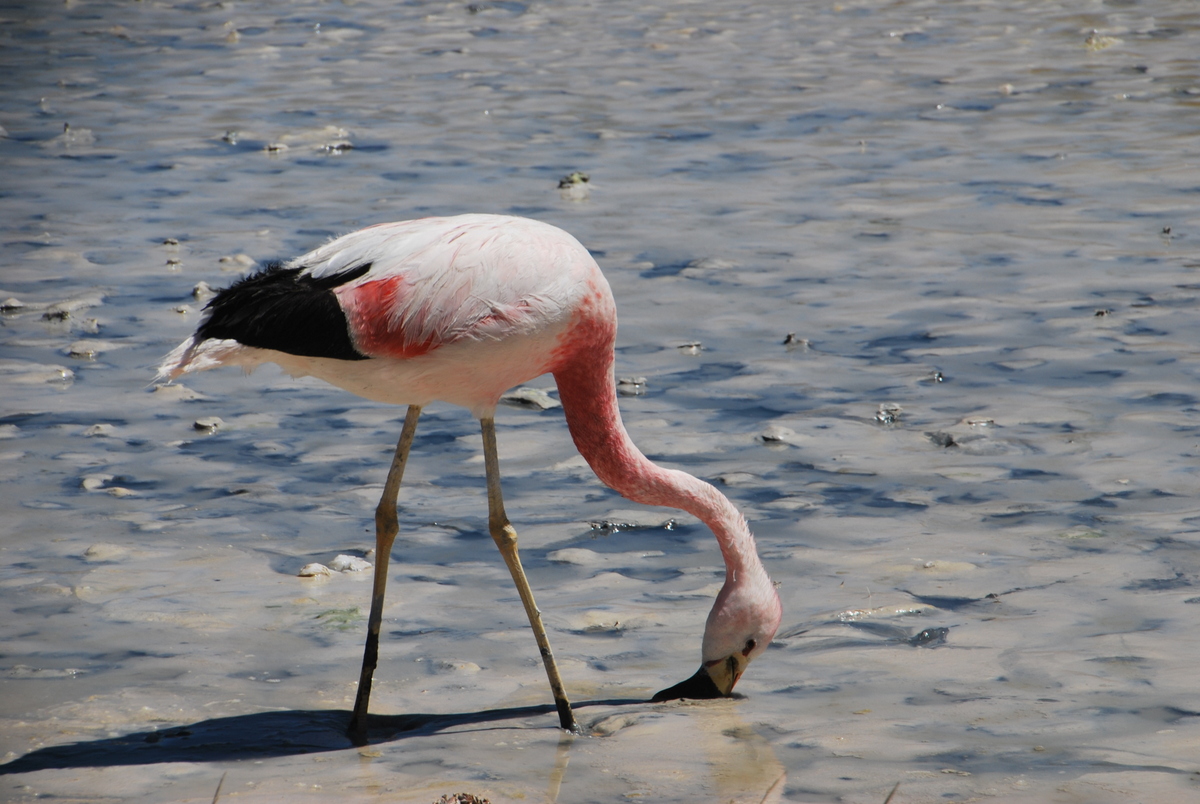
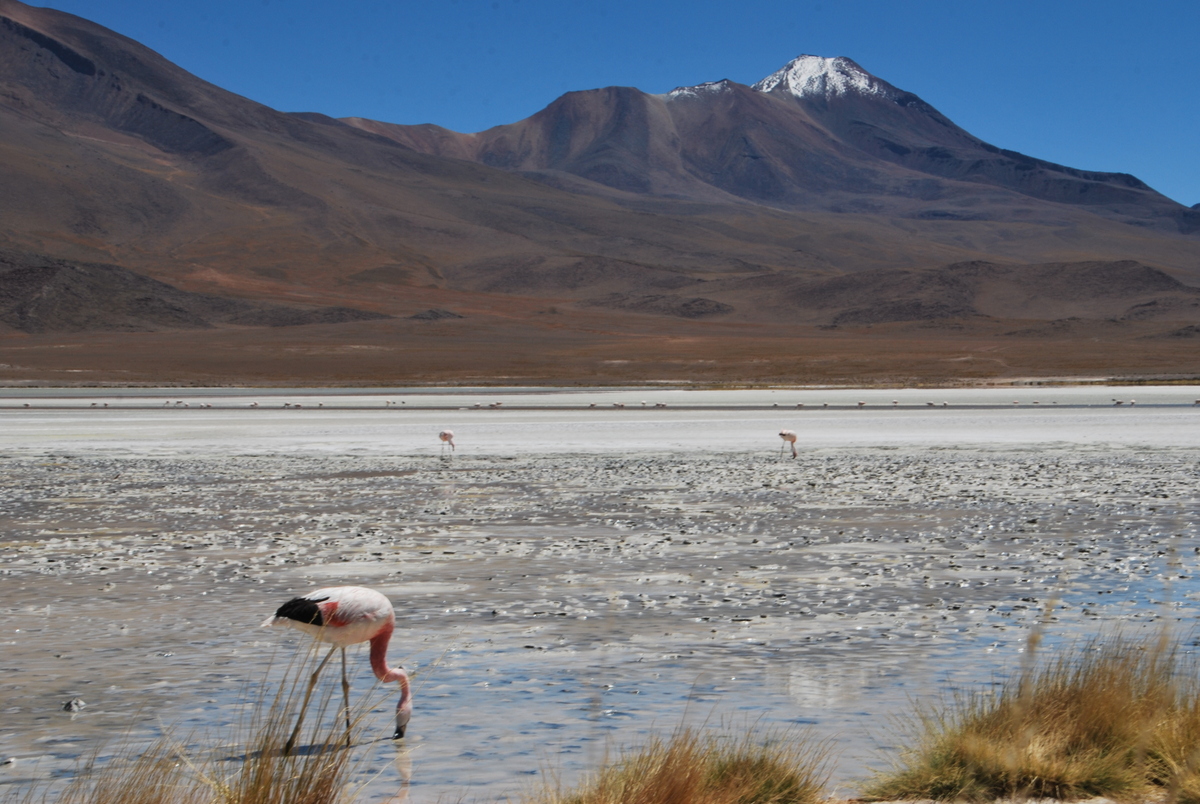
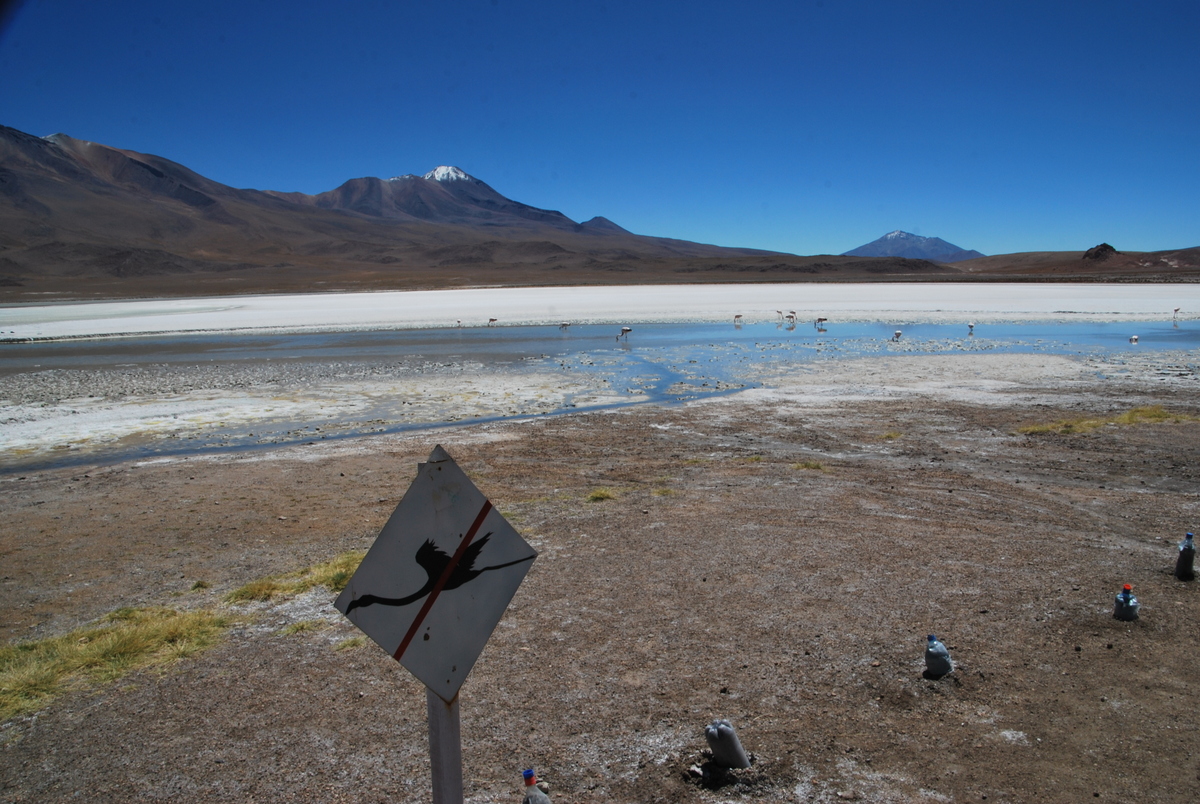
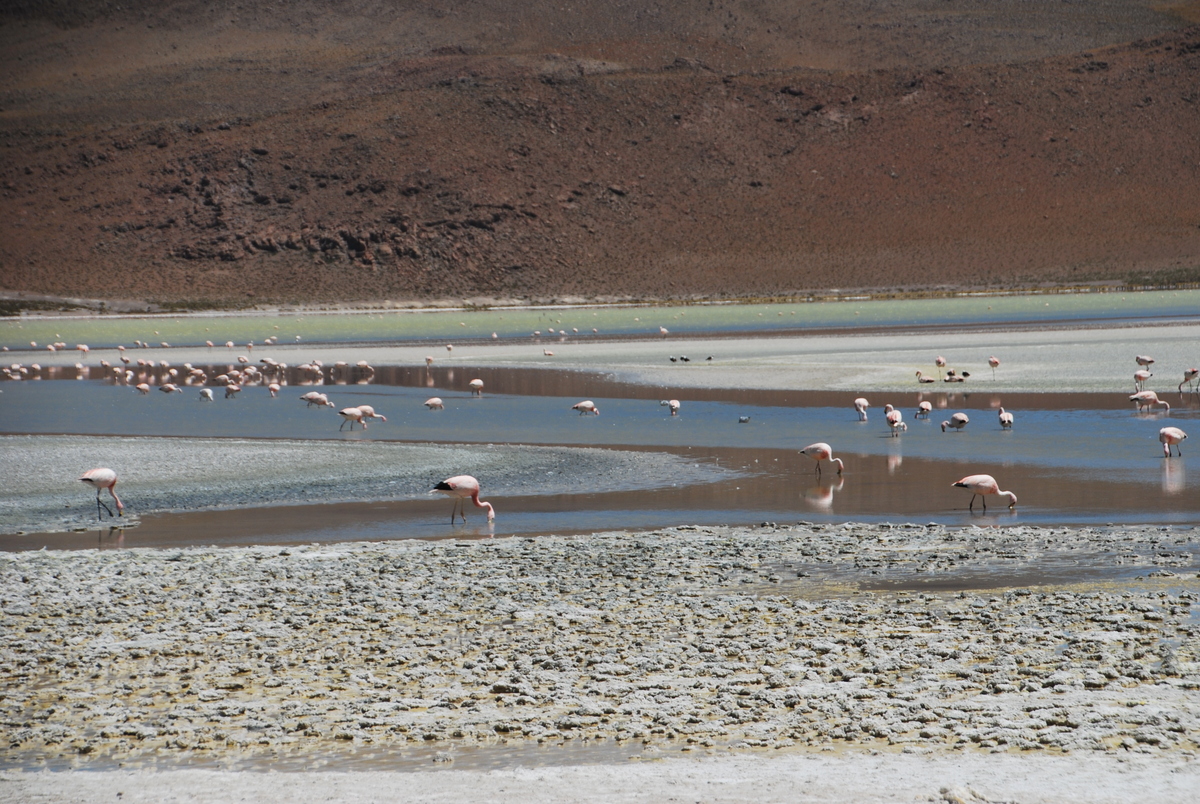
Then a quick drive to one of the first (smaller) salt flats. They’re mined for various salts, lithium, regular sodium chloride and borax – which is used in detergents. We did see some flamingoes here, which made us very excited. You can see in the first (green) picture below here, a quite fragile habitat, complete with signs telling you not to walk on it. It was disappointing to see some French tourists running across the mounds. They did get off once told… still..

25-DSC_017526-DSC_020127-DSC_02151-DSC_0187

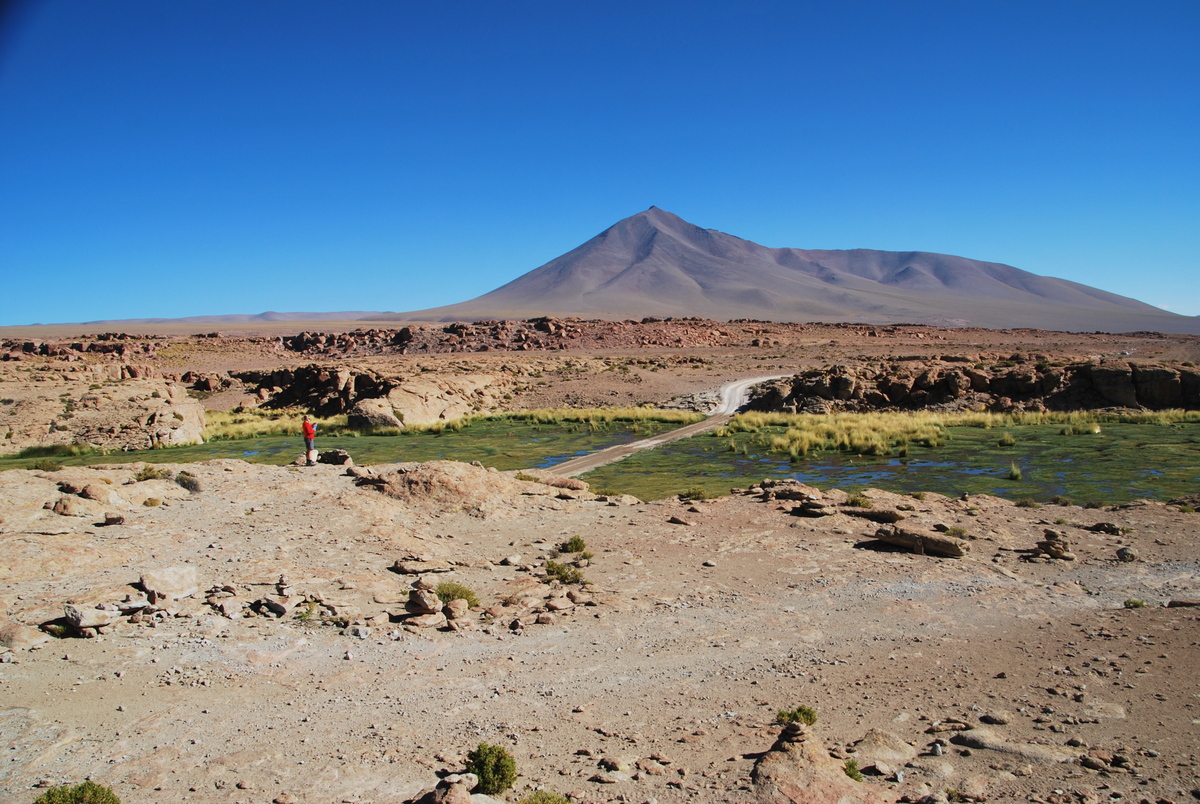
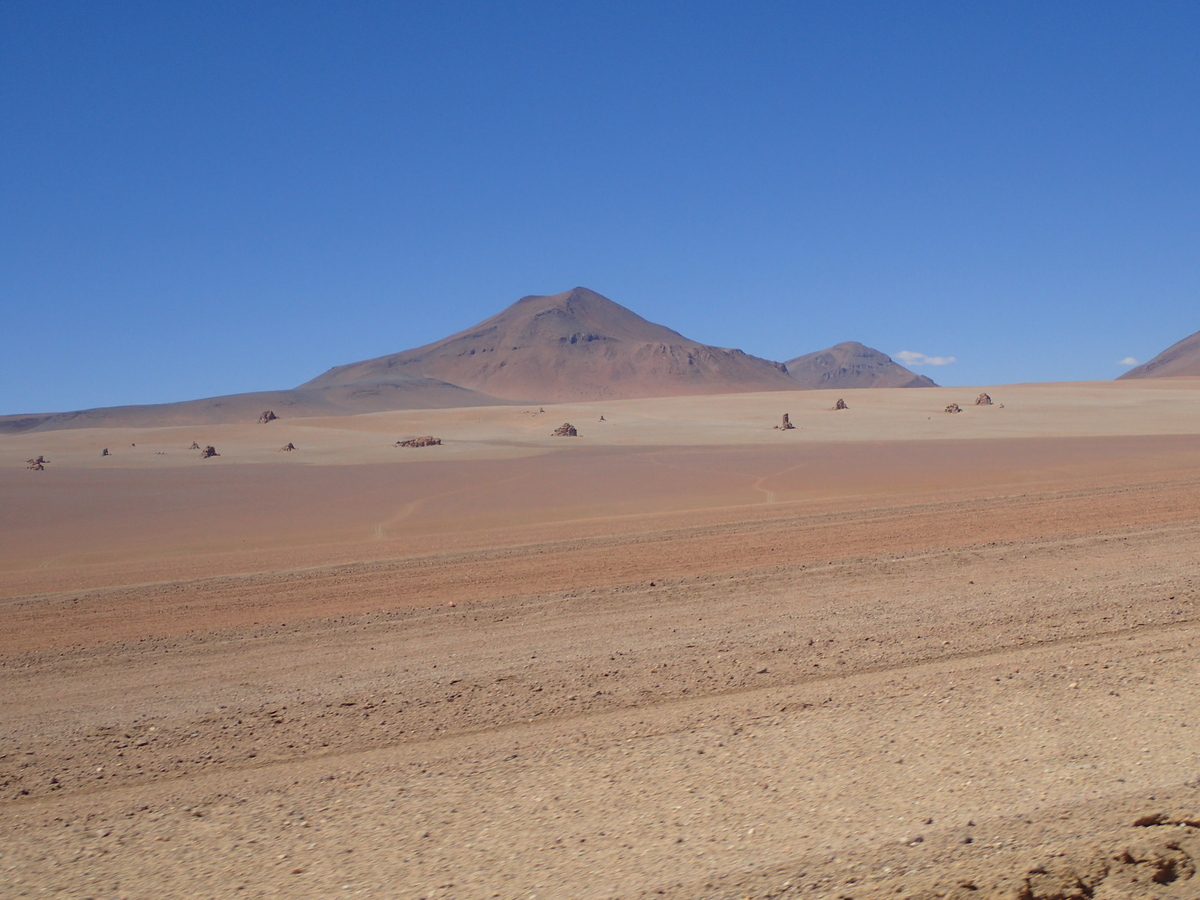
This entire area is littered with volcanoes, and we passed some boulders which had been ejected in one of the eruptions.

28-P3190042

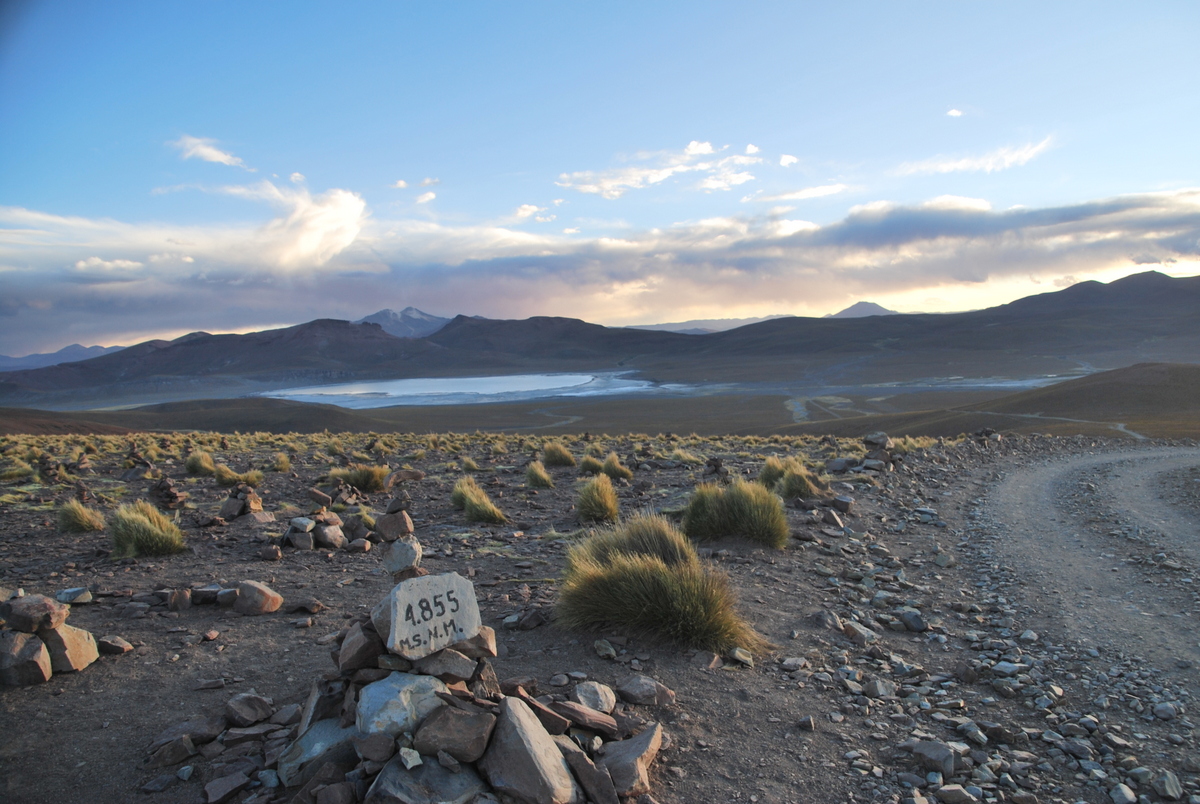
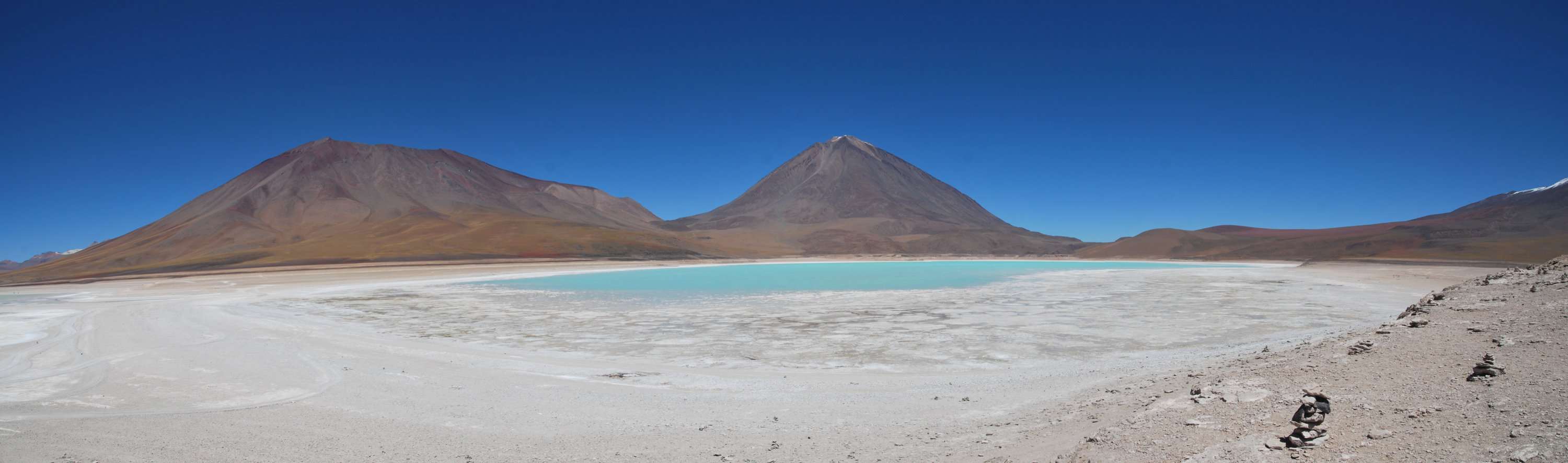
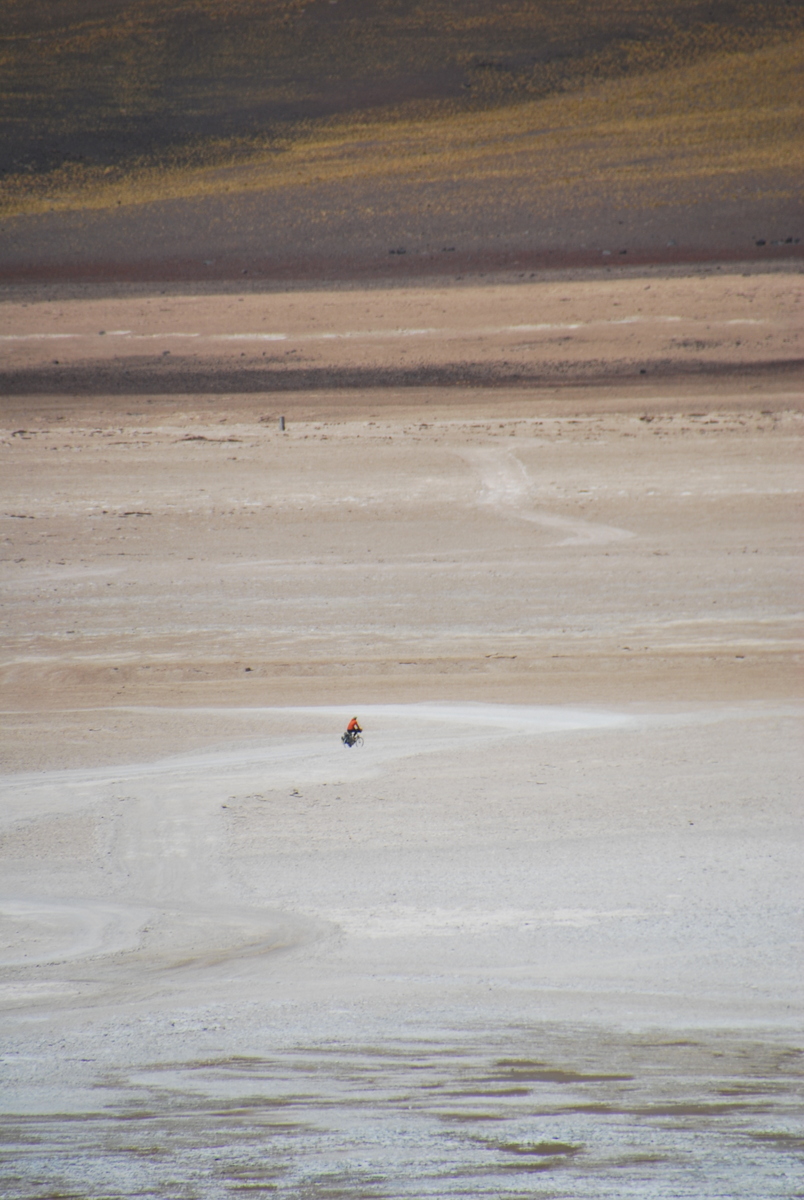
We arrived at our first major lake.. which I think was Laguna Verde. Here we saw a cycle tourist.. I didn’t manage to talk to him, but, I hear, he was having a pretty hard time of it. It’d be very very difficult going, what with the endless miles of gravel, dust, salt, and very little water you can drink. I believe he’d started at Alaska 8 or so months before. Solid effort.

29-DSC_0264

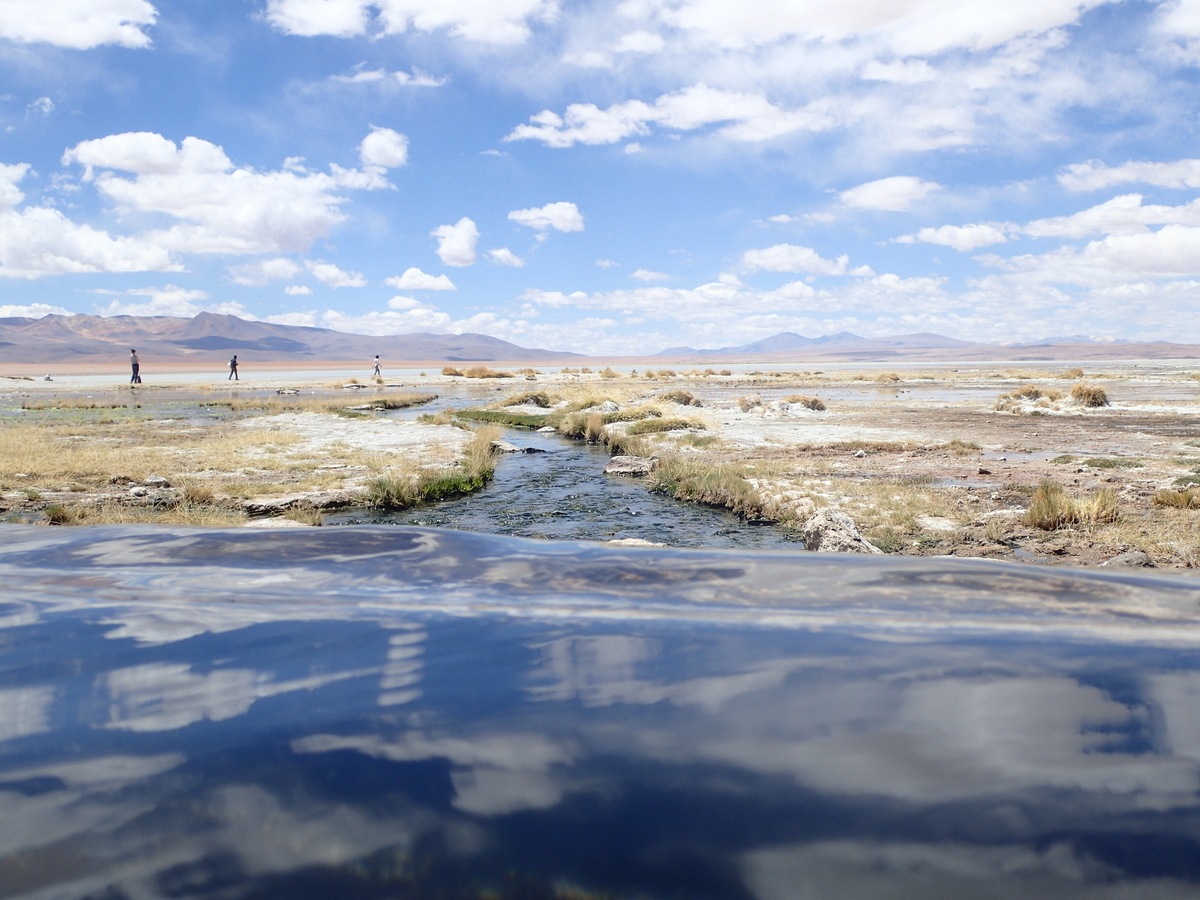
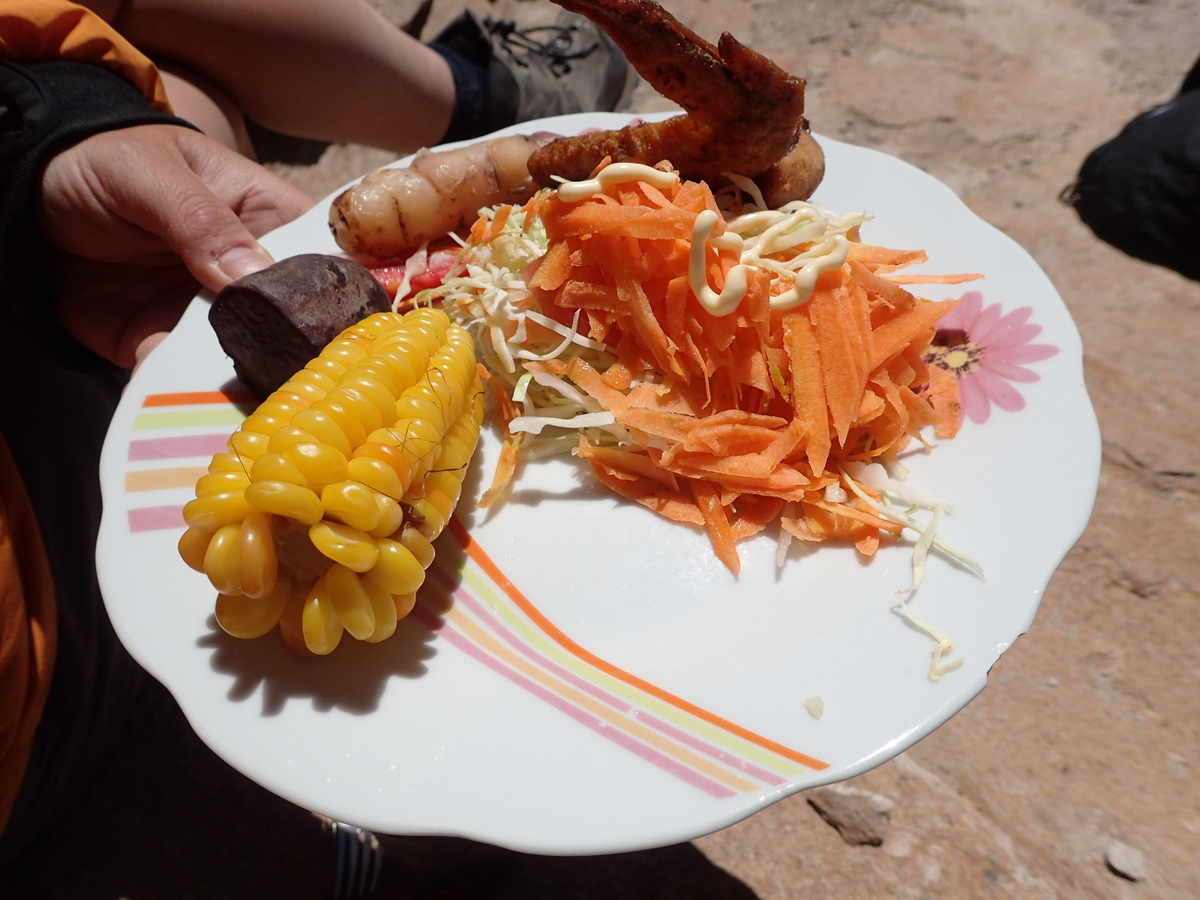
Next up was a soak in the hot springs followed by lunch. A lunch I ate, a milestone if ever there was one.

30-P319005731-P3190062

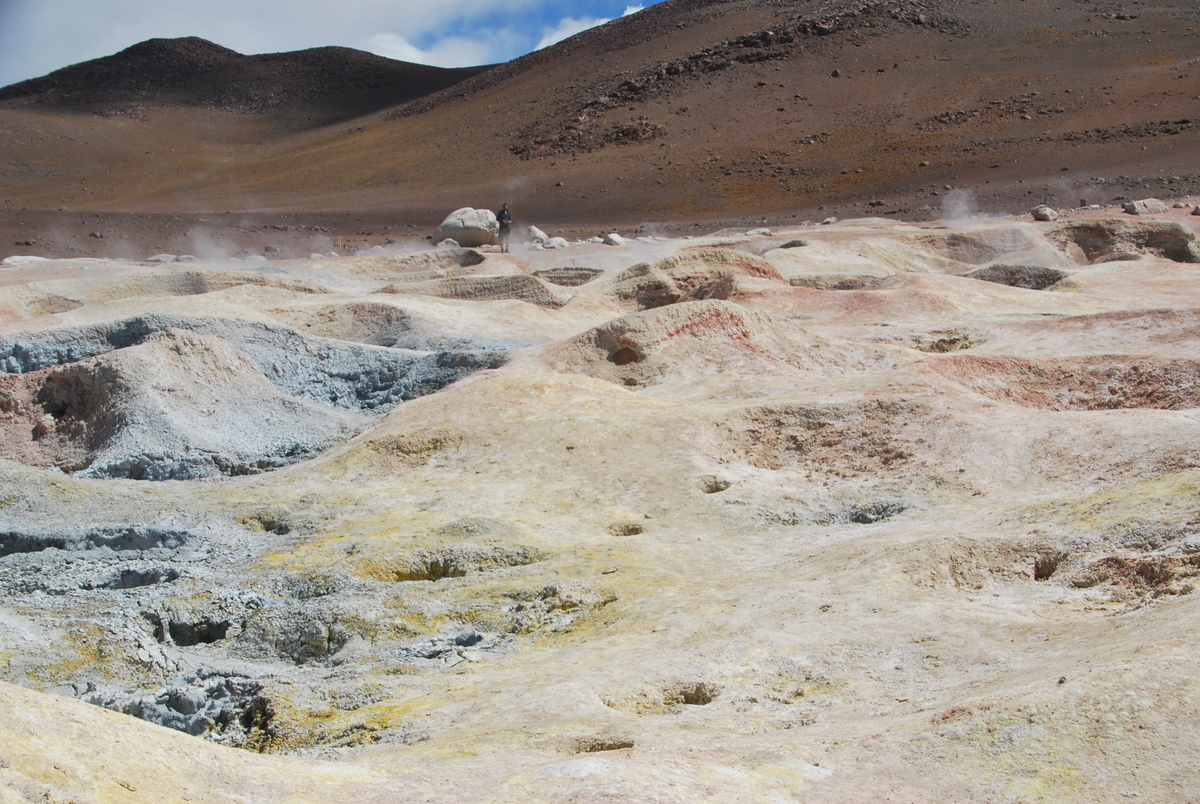
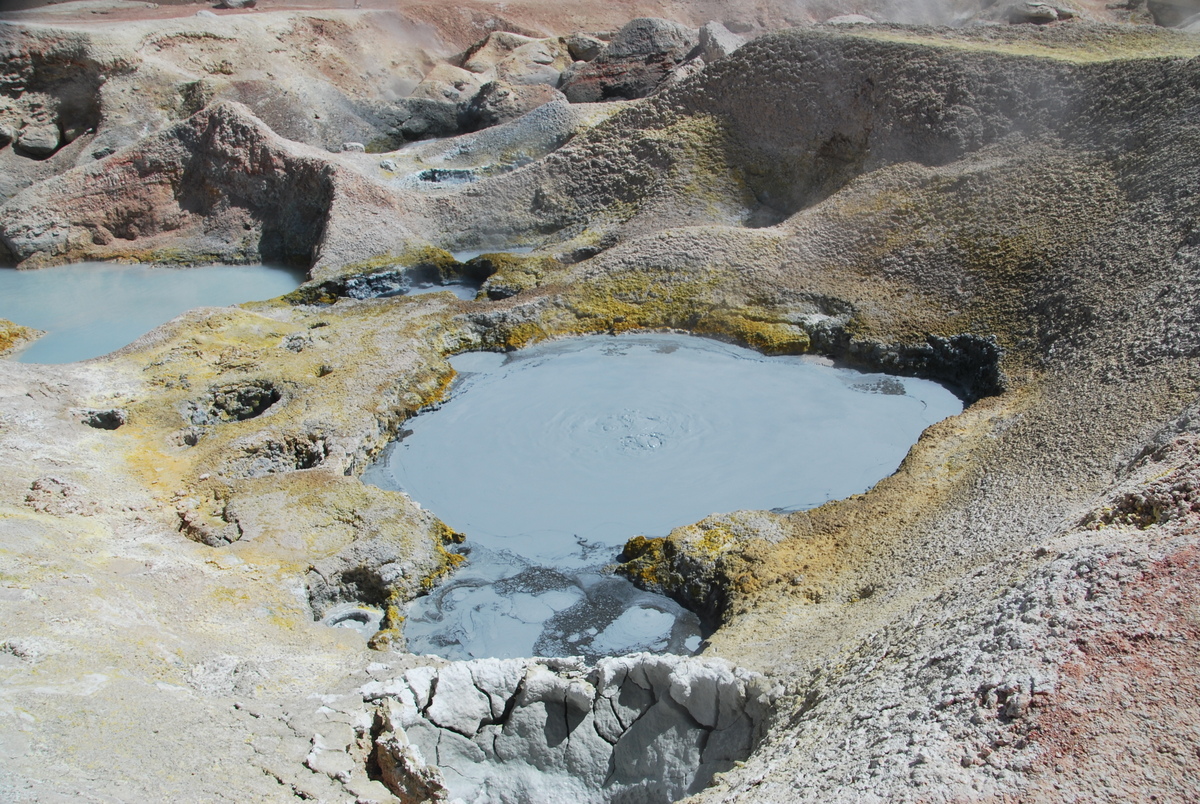
After lunch it was on to a thermal area. Not particularly (ok, at all) roped off. I was actually quite surprised to hear that there had only been 1 death in the last few years (a Chilean jumping up for a selfie beside a bubbling mud pool…). Nasty way to go. Someone did burn their legs extremely badly a month ago, though I don’t think they lost them. Respect the boiling mud folks.

32-DSC_027833-DSC_0280

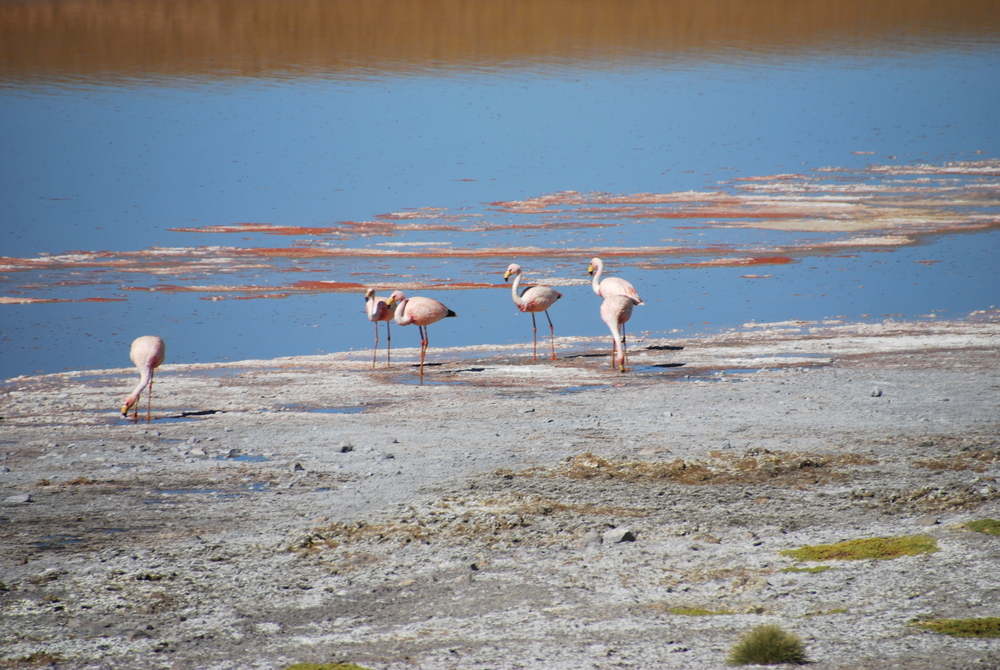
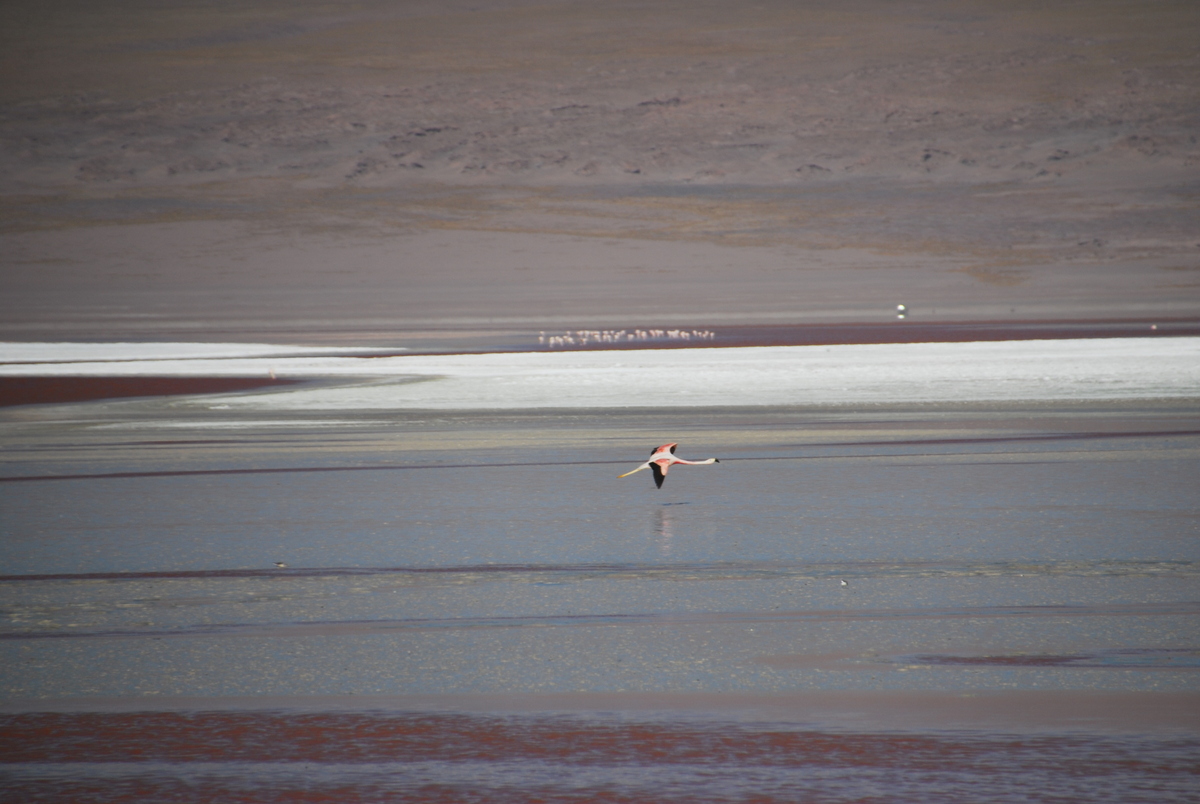
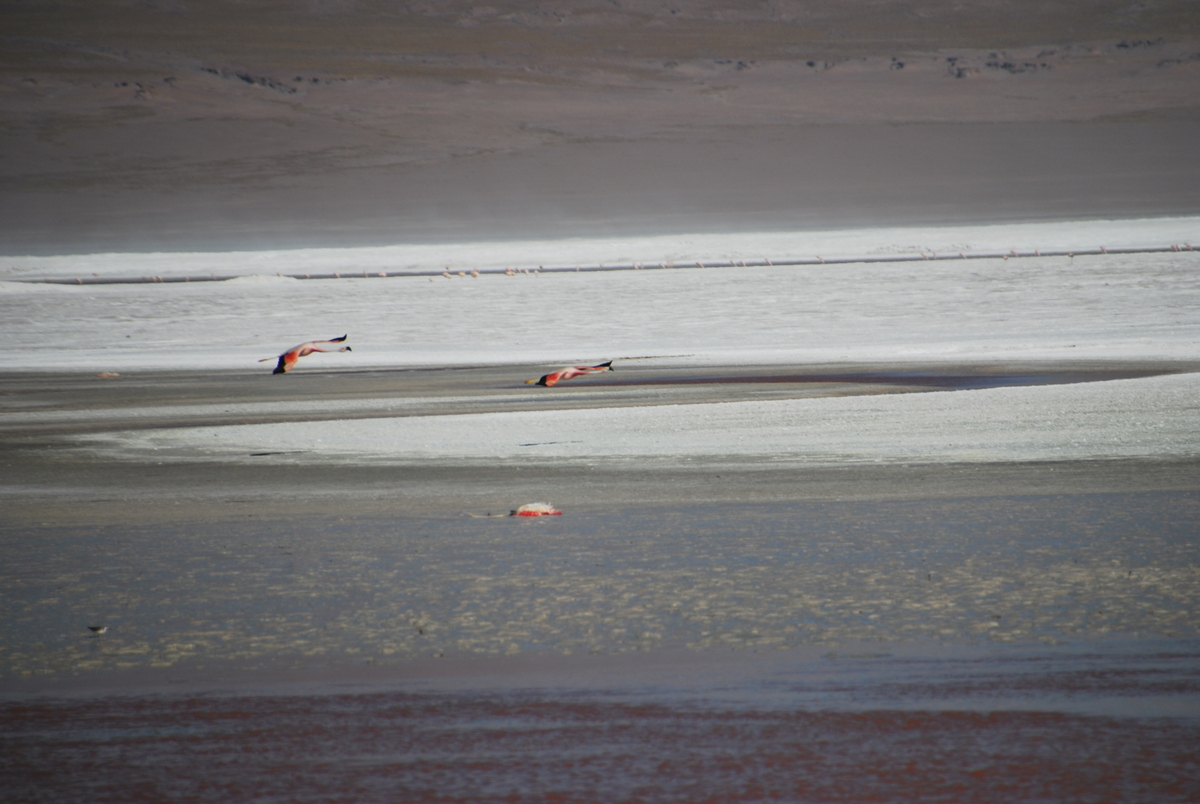
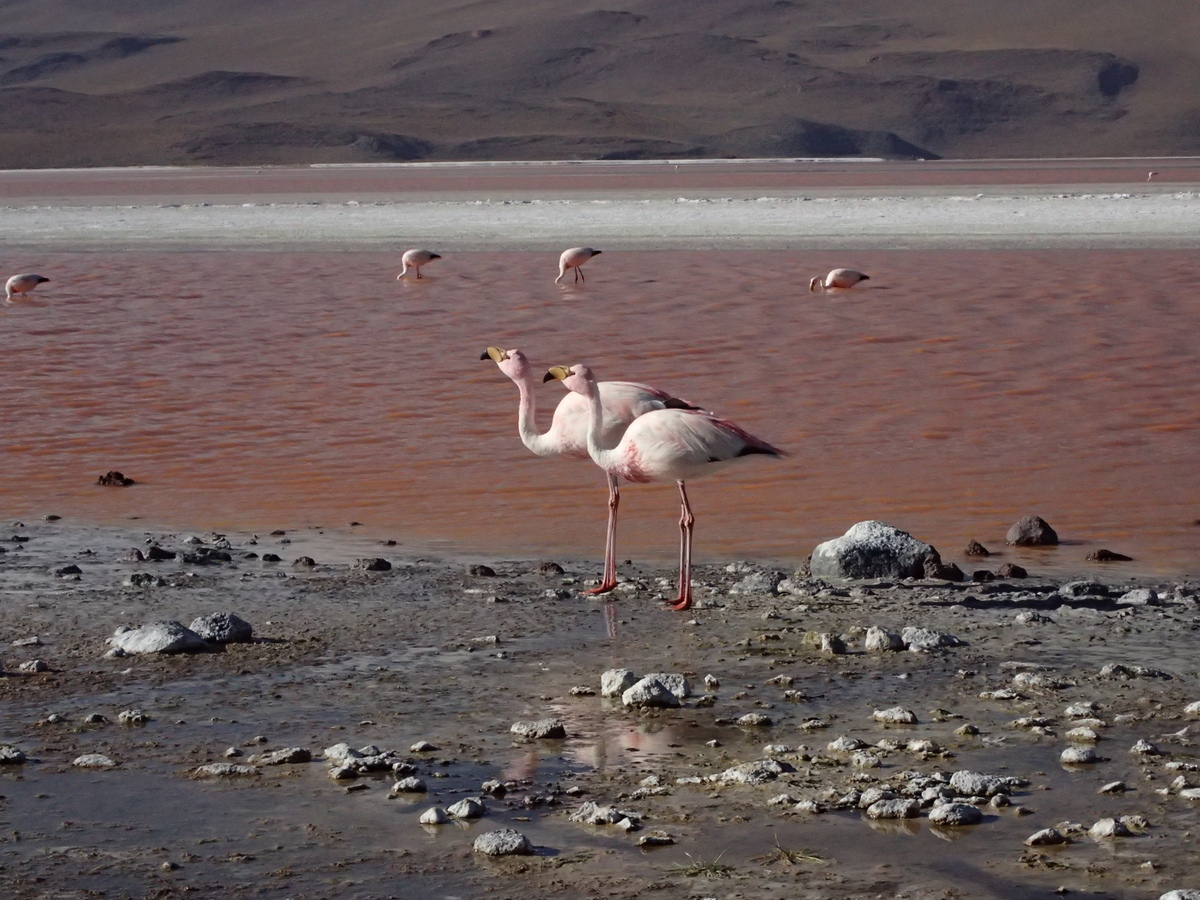
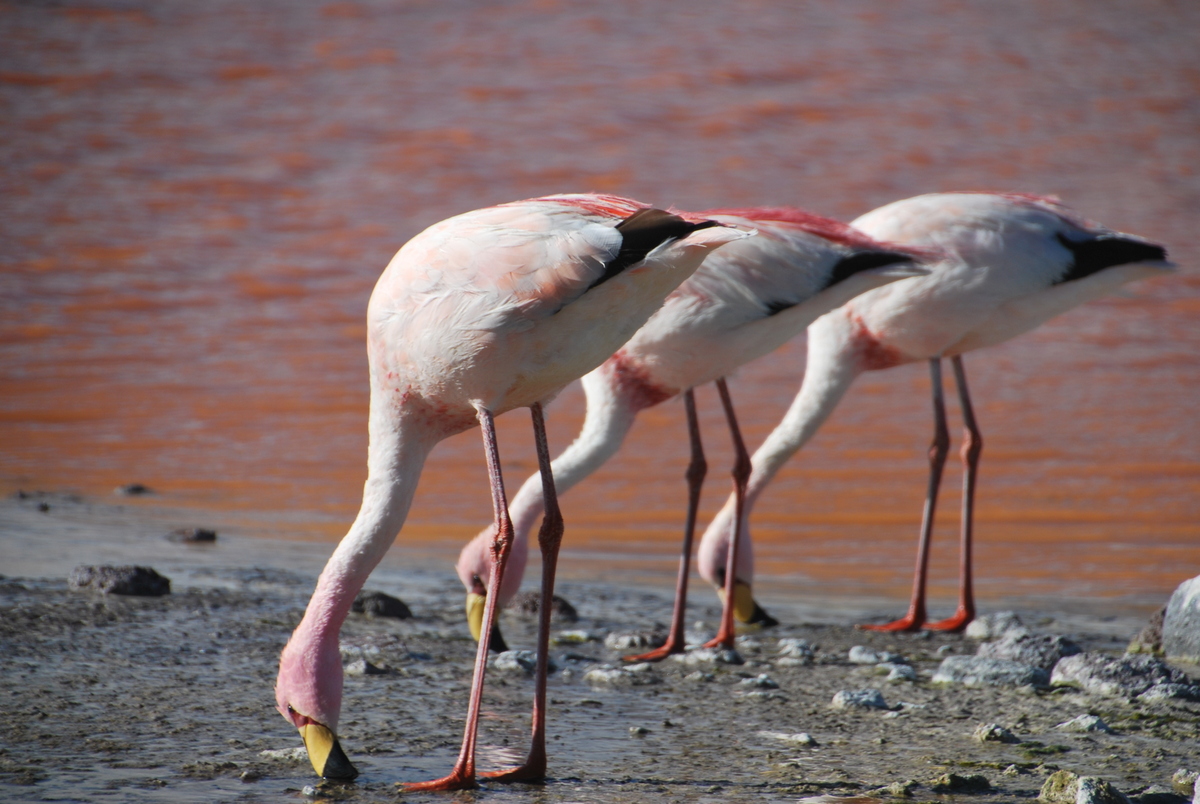
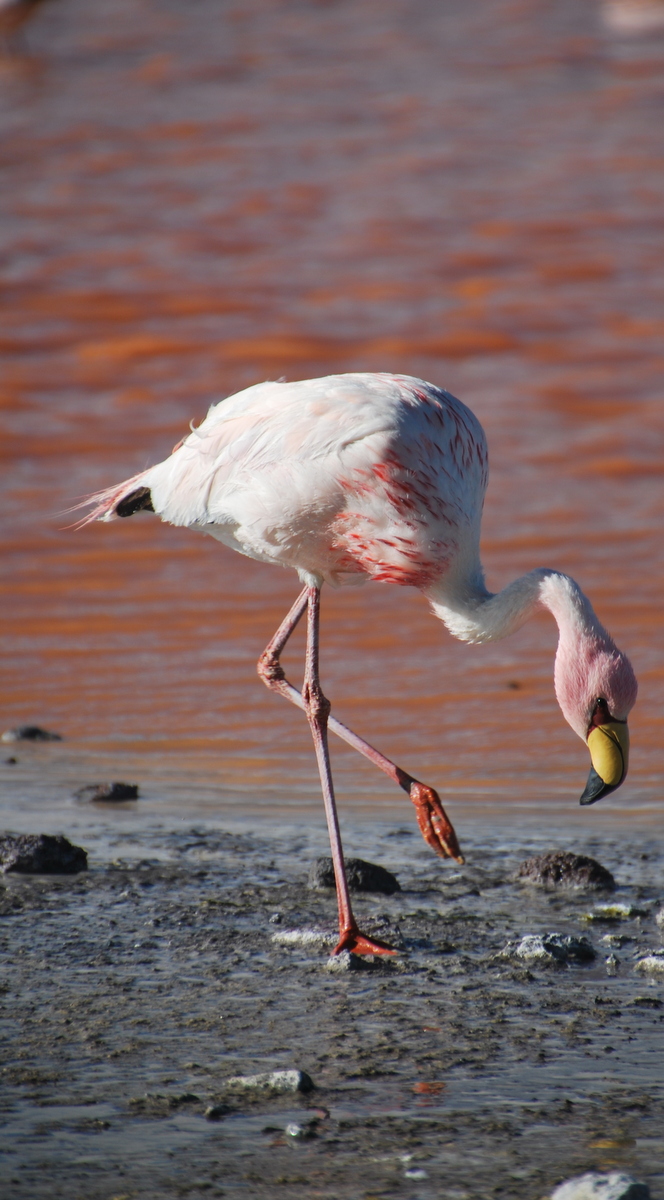
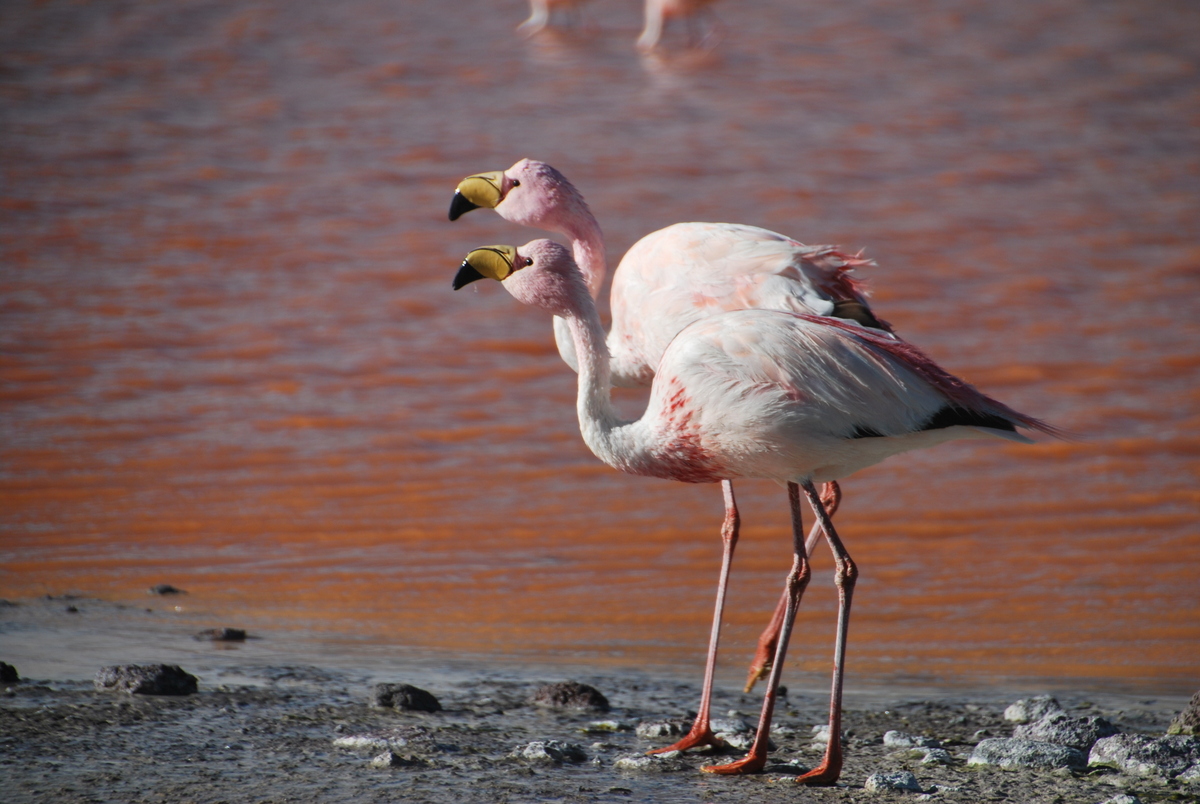
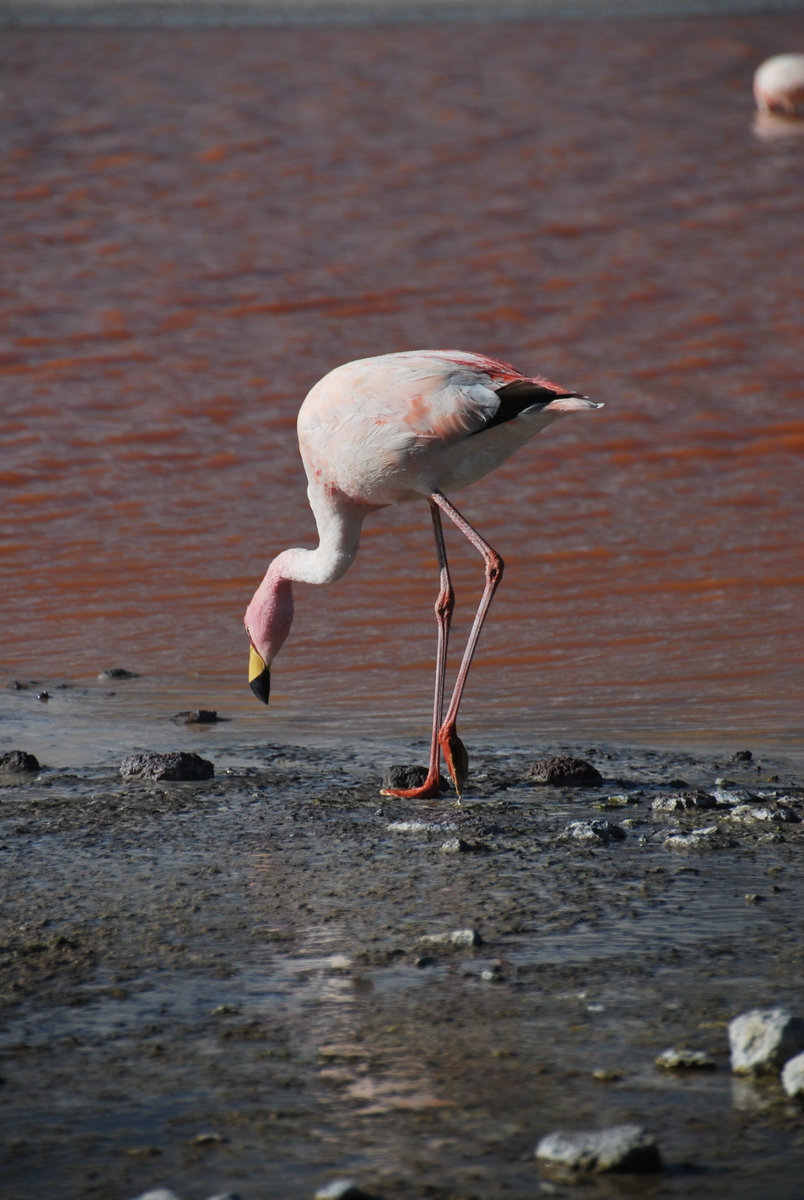
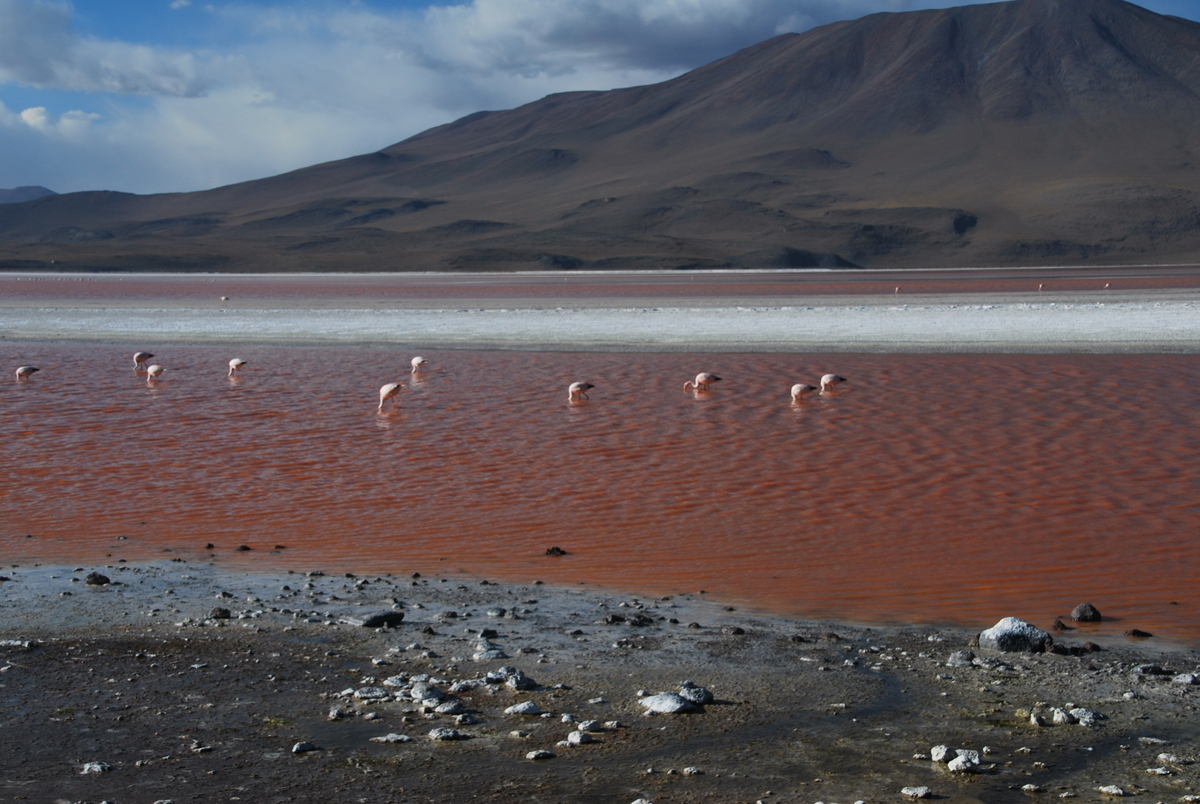
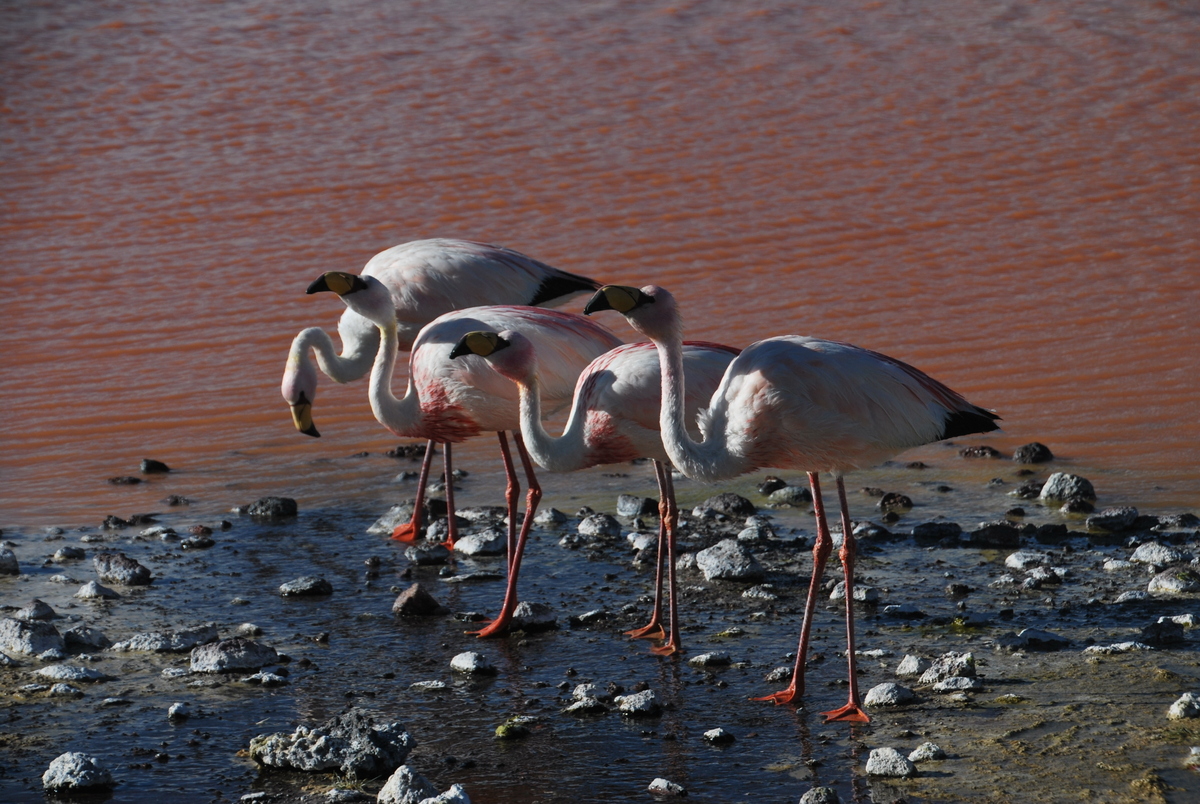
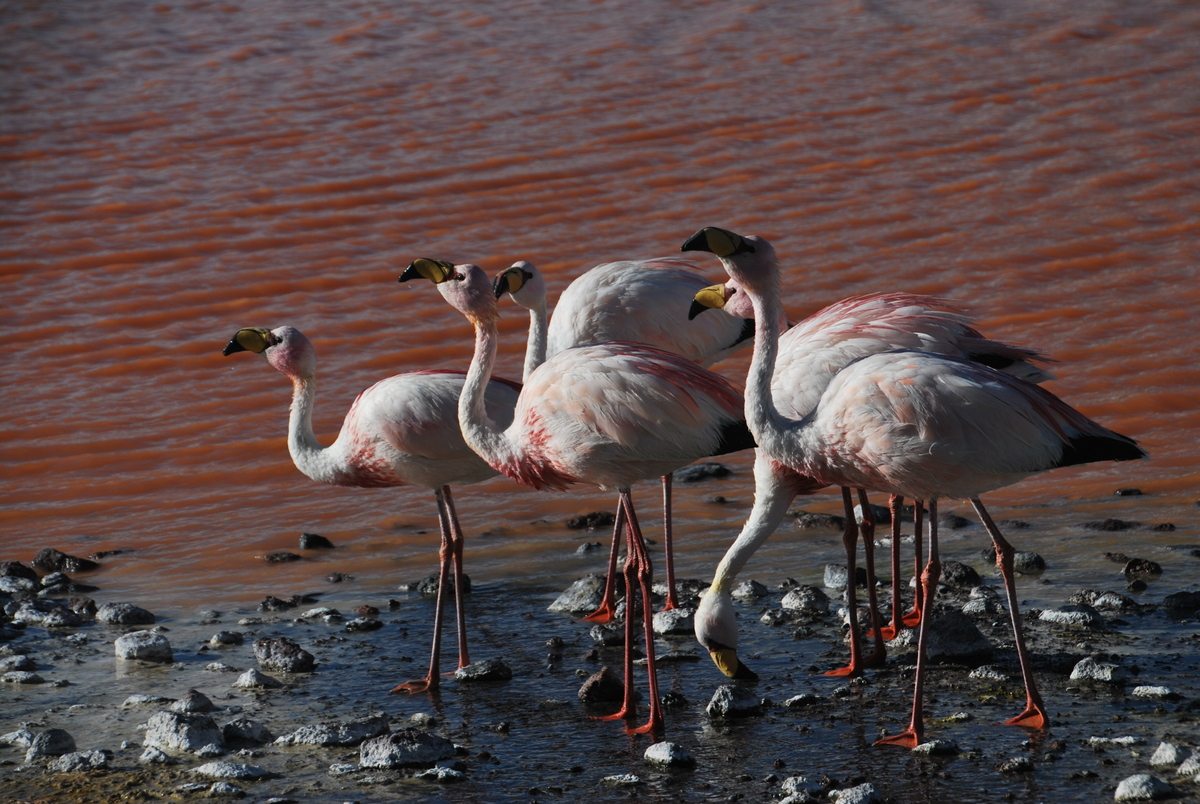
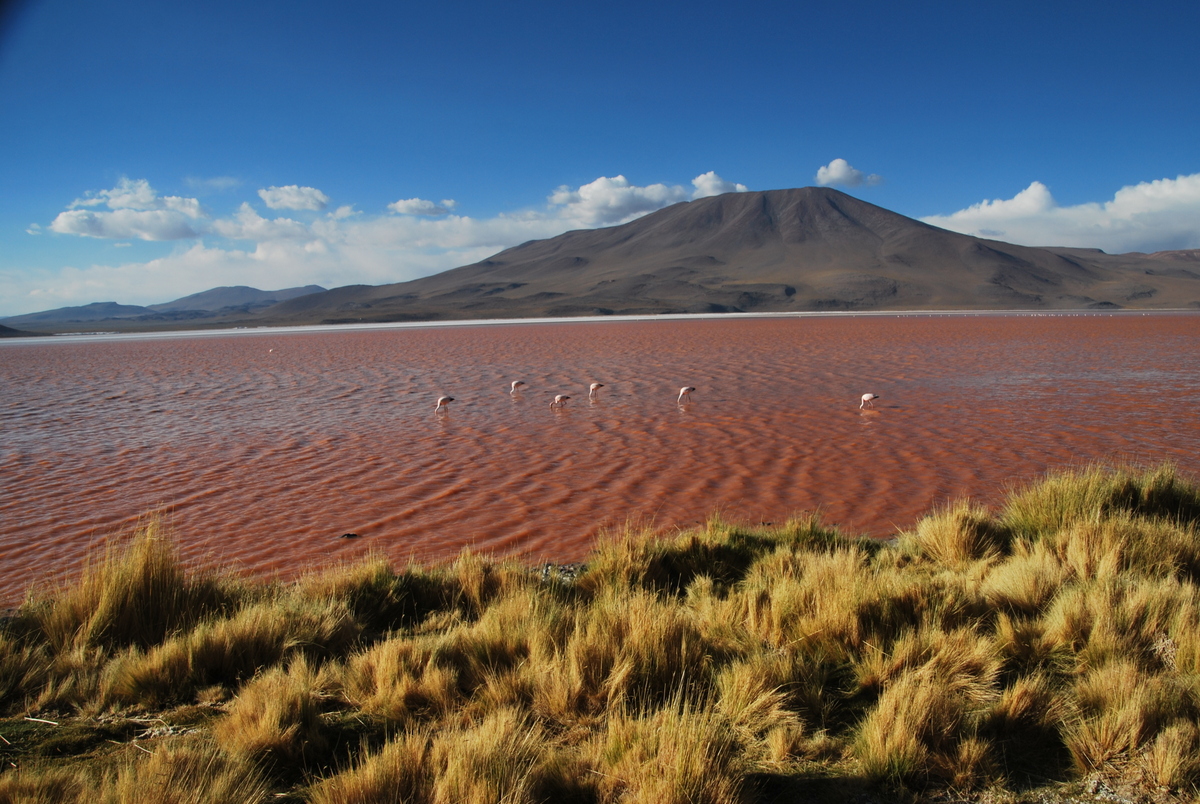
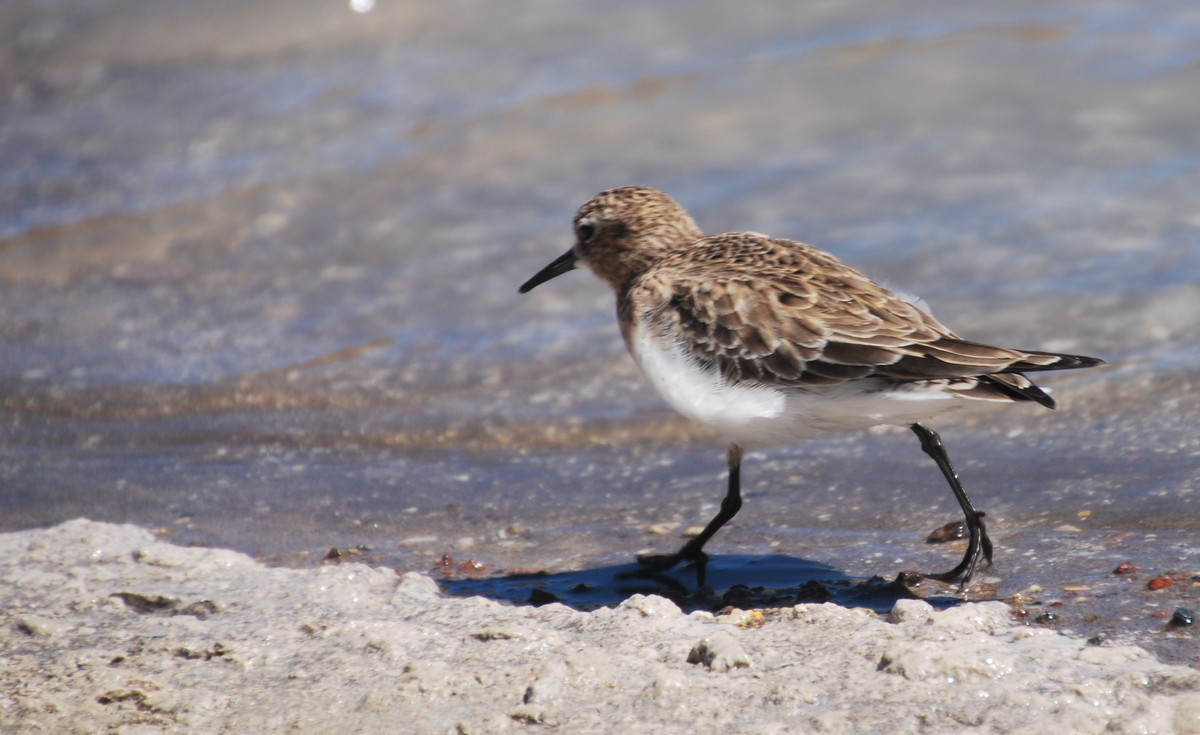
Next up was Laguna Colorada, the red lake. We were extremely lucky to have some flamingoes very close to the shore were we could easily photograph them… I did try to cull the photos down, but hey, there were just too many I liked ;). The red color is caused by sediments and a certain type of algae in the water.

34-DSC_030135-DSC_030736-DSC_030837-DSC_031138-DSC_031439-DSC_031740-P319009641-DSC_035442-DSC_036743-DSC_038244-DSC_039145-DSC_039346-DSC_040147-DSC_042348-DSC_0465

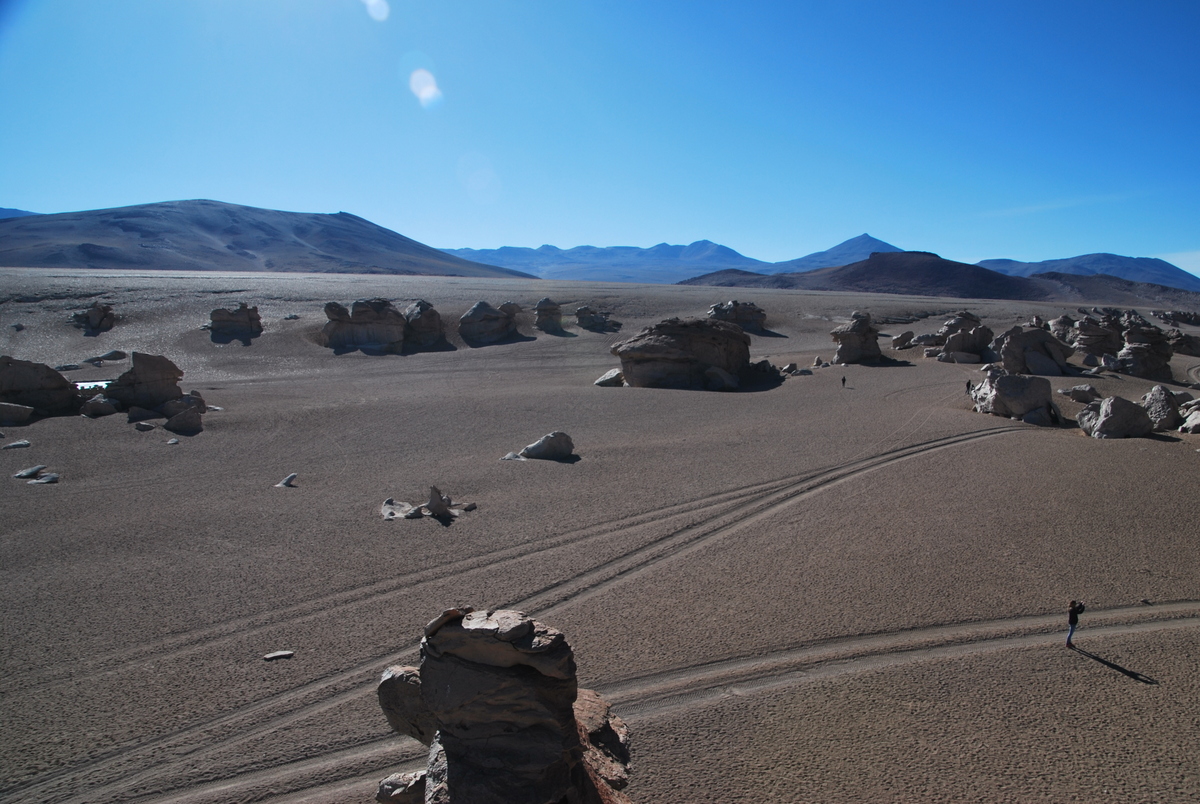
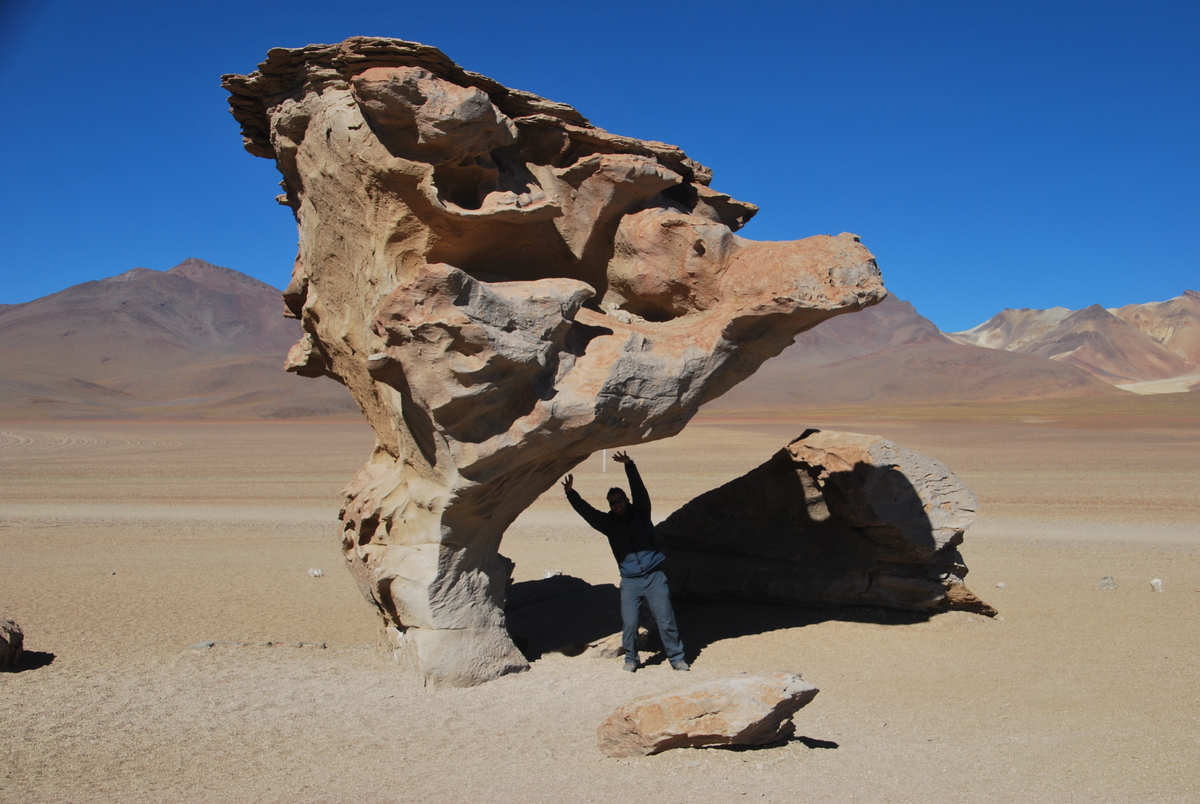
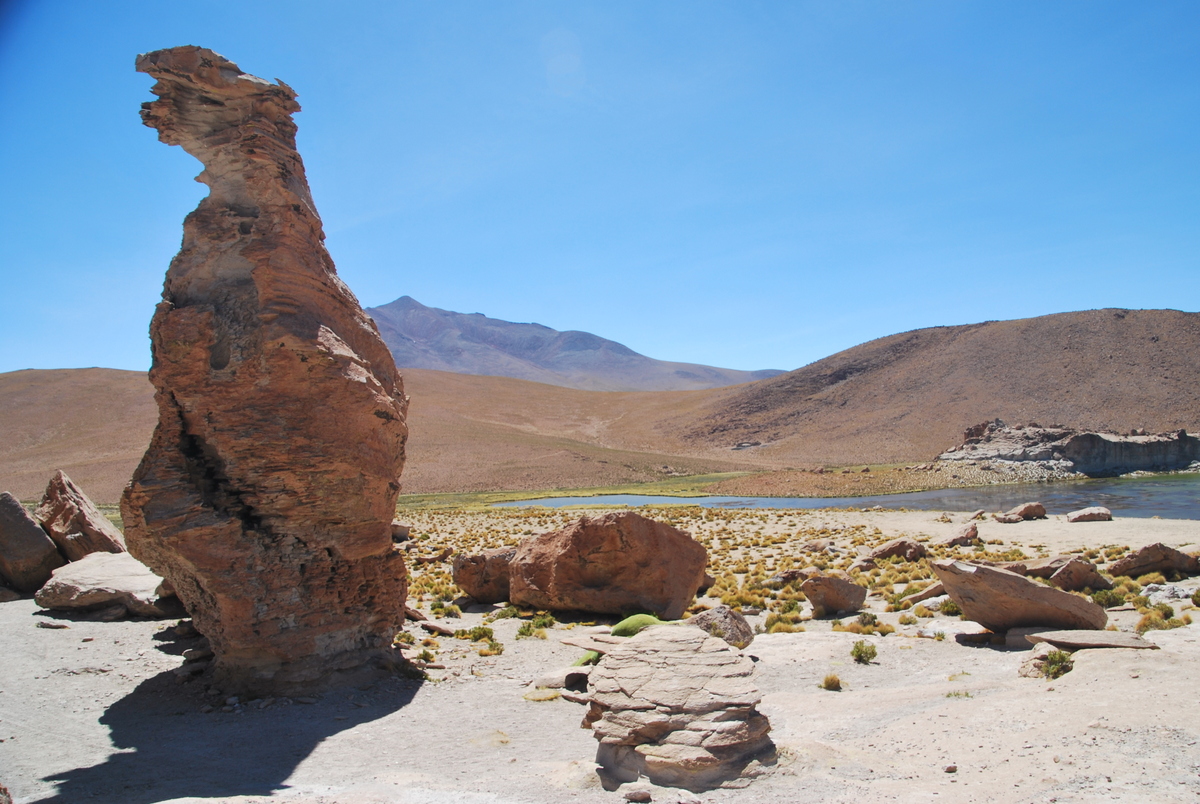
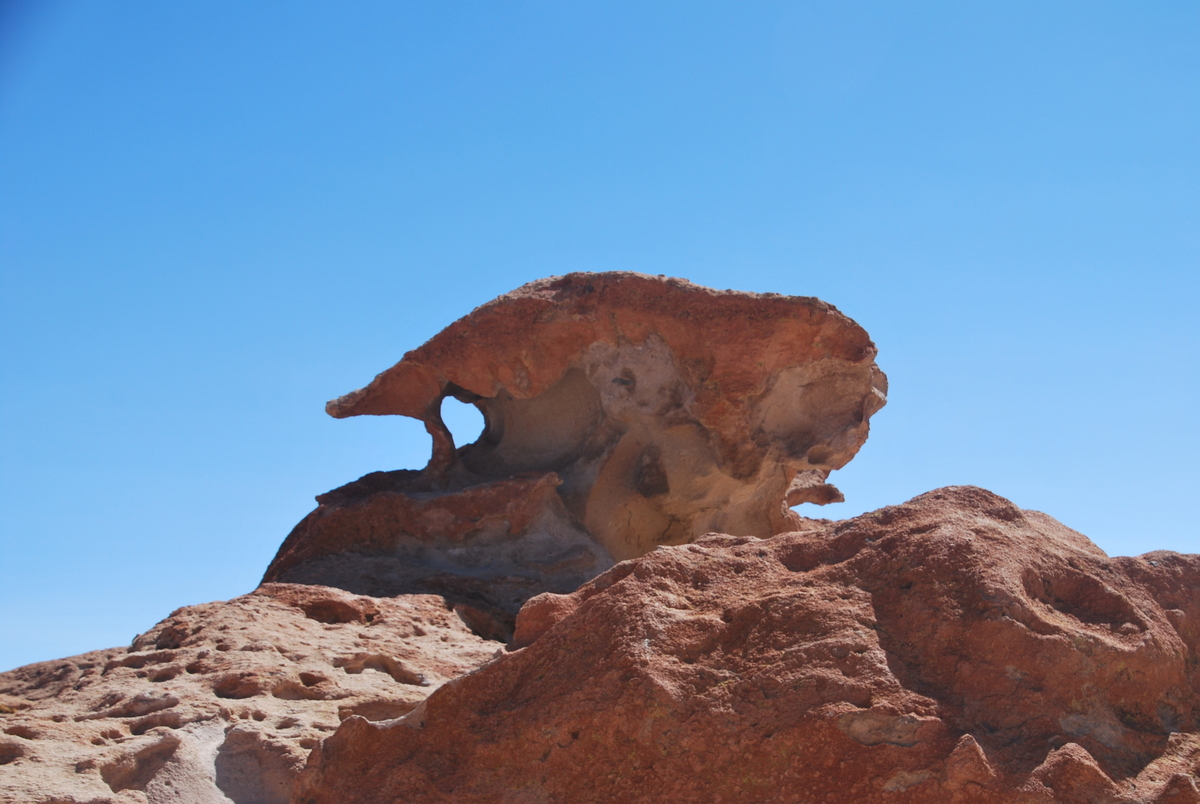
The next day started off with visiting Ɓrbol de piedra (stone tree) and other formations around it. They’re ventifacts (what an awesome name that is). Sandstone in this case.

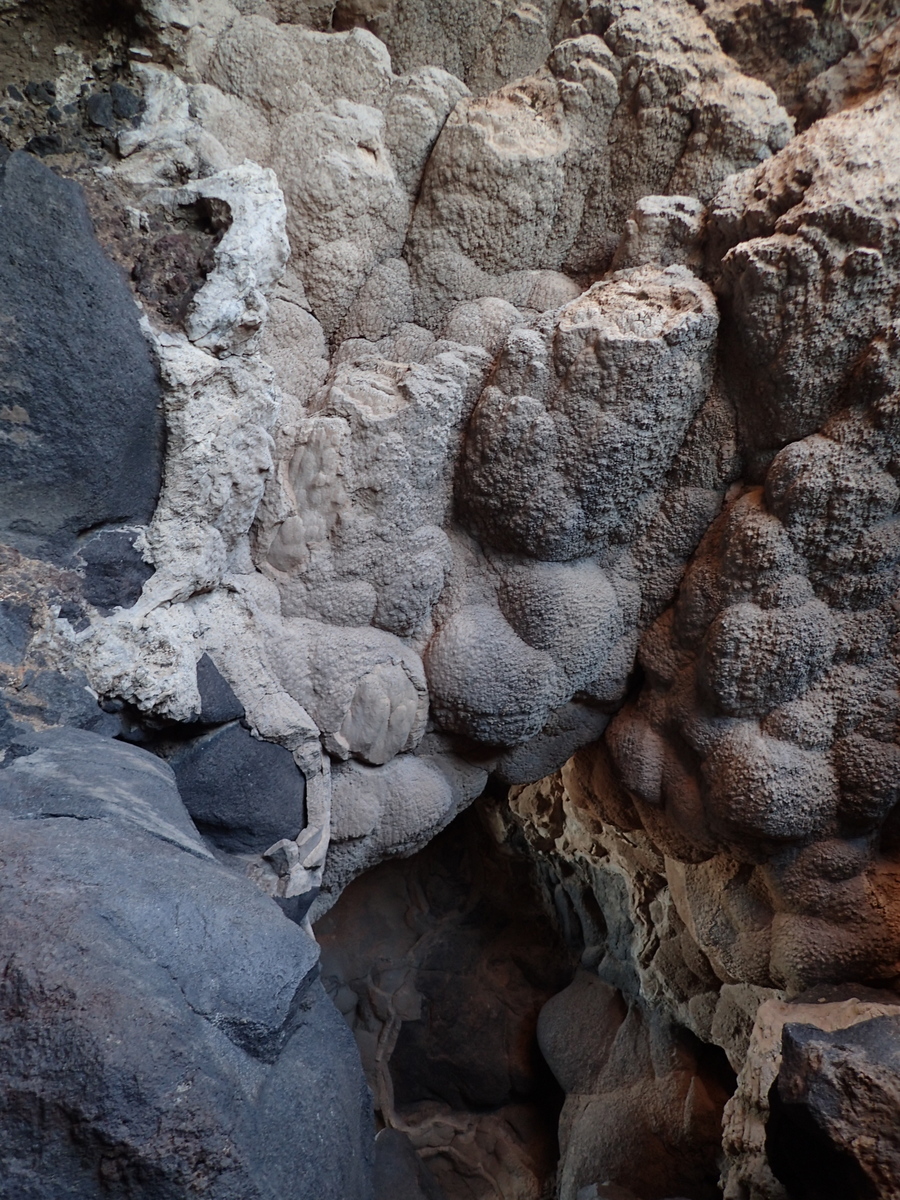
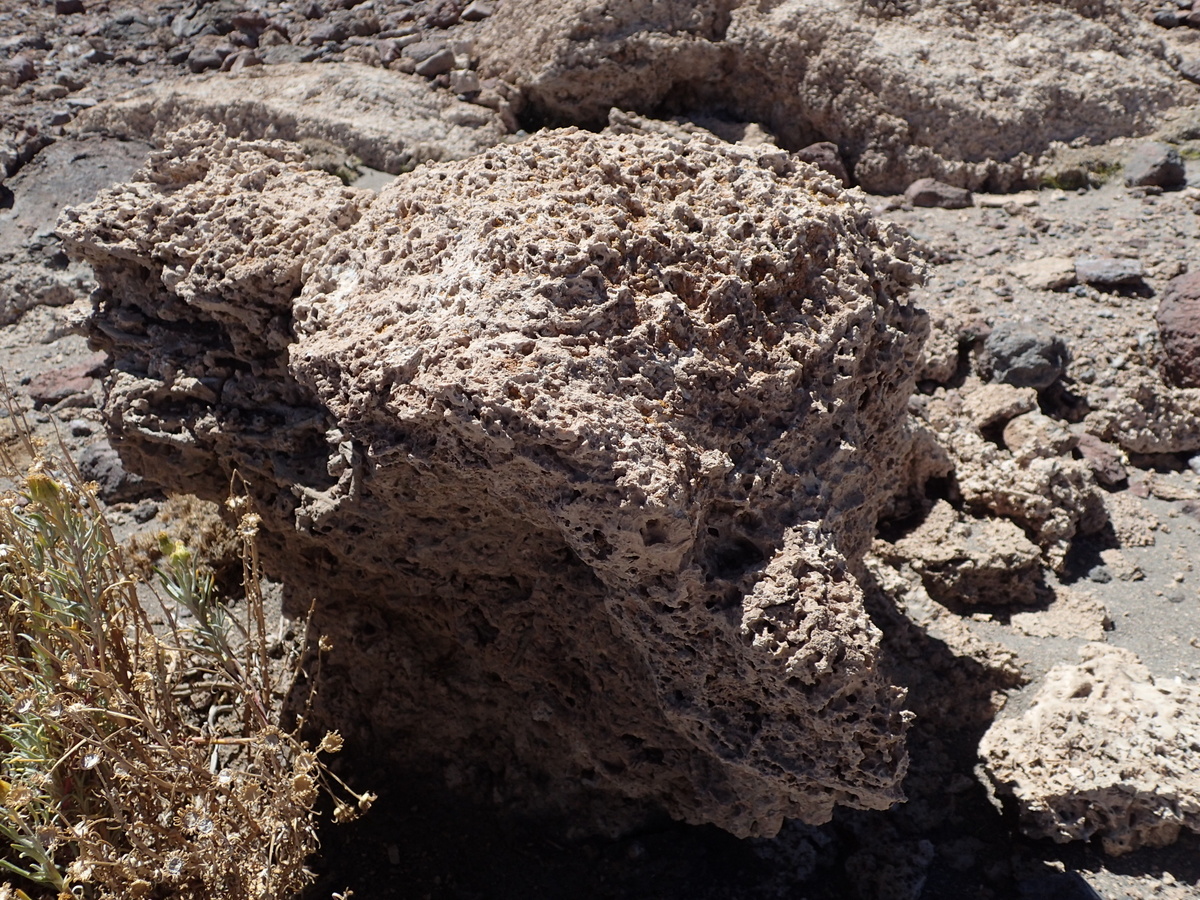
Ventifacts are rocks that have been abraded, pitted, etched, grooved, or polished by wind-driven sand or ice crystals

49-DSC_048750-DSC_049451-DSC_0506

We also saw lots of fossilised? coral dating back to when the entire area was one massive lake. I think Elvis was suggesting that it was all at sea level once upon a time (before the Andean uplift), but again, I can’t see any evidence to support that, and 3500m would be an awful lot of uplift from sea level. More lakes, more flamingoes at close up.

52-DSC_050753-DSC_053454-P320013755-DSC_054256-DSC_054957-P320013858-DSC_055859-DSC_056560-DSC_058761-DSC_0591

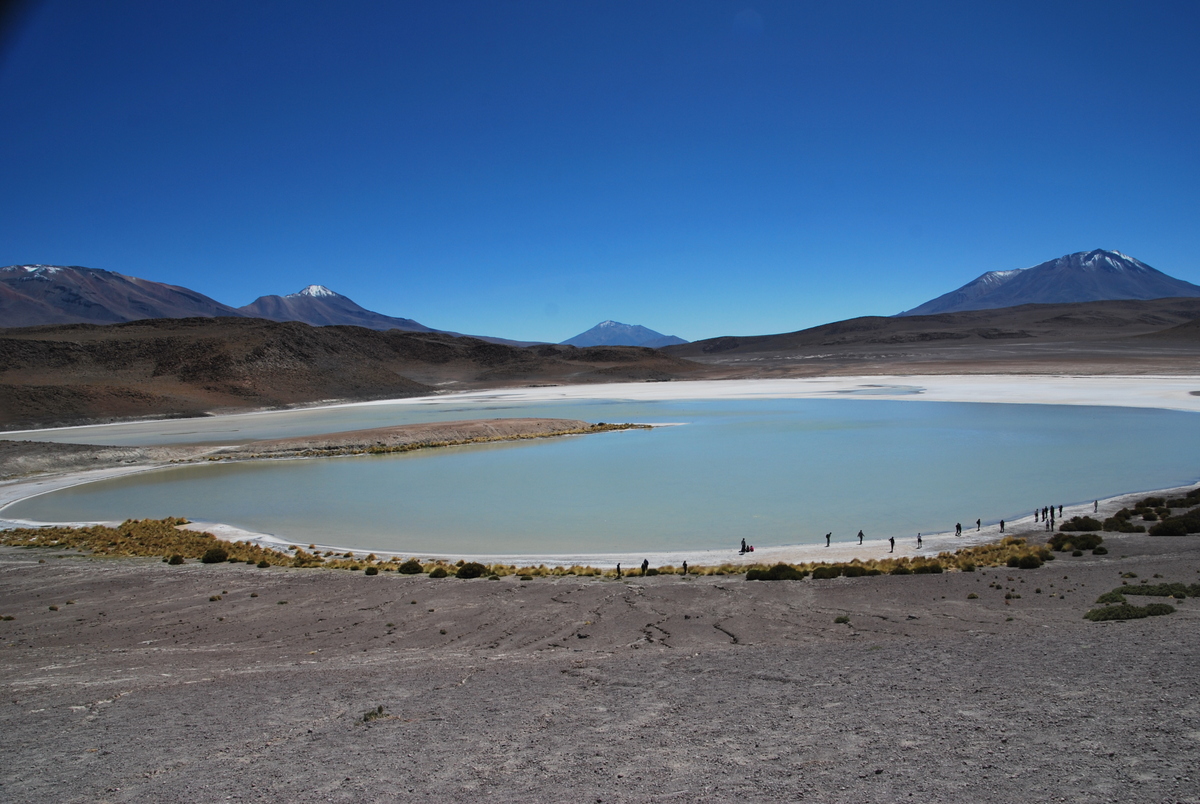
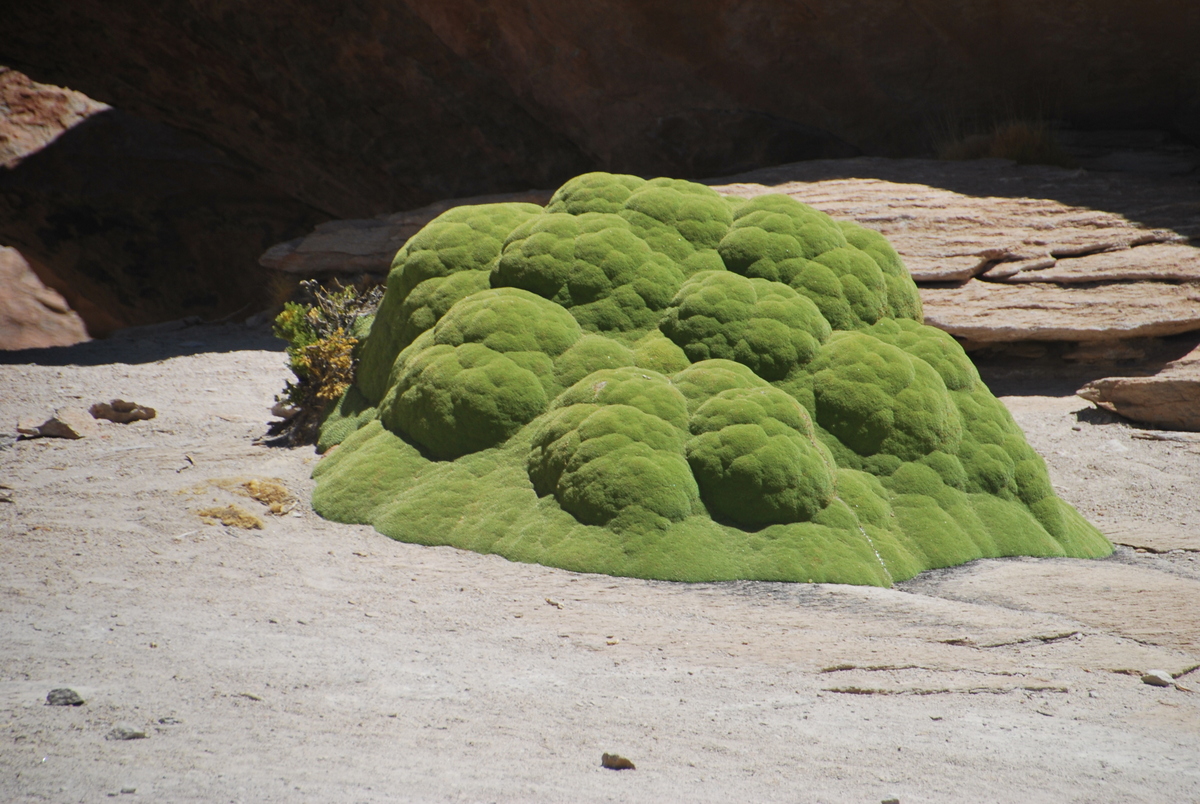
We had lunch at Laguna Negra, one of the few (if not only) freshwater lakes in the area. I think the rocks were volcanic silicia ventifacts ;) The moss grows at 1mm / year.

62-DSC_059863-P320014364-DSC_0601

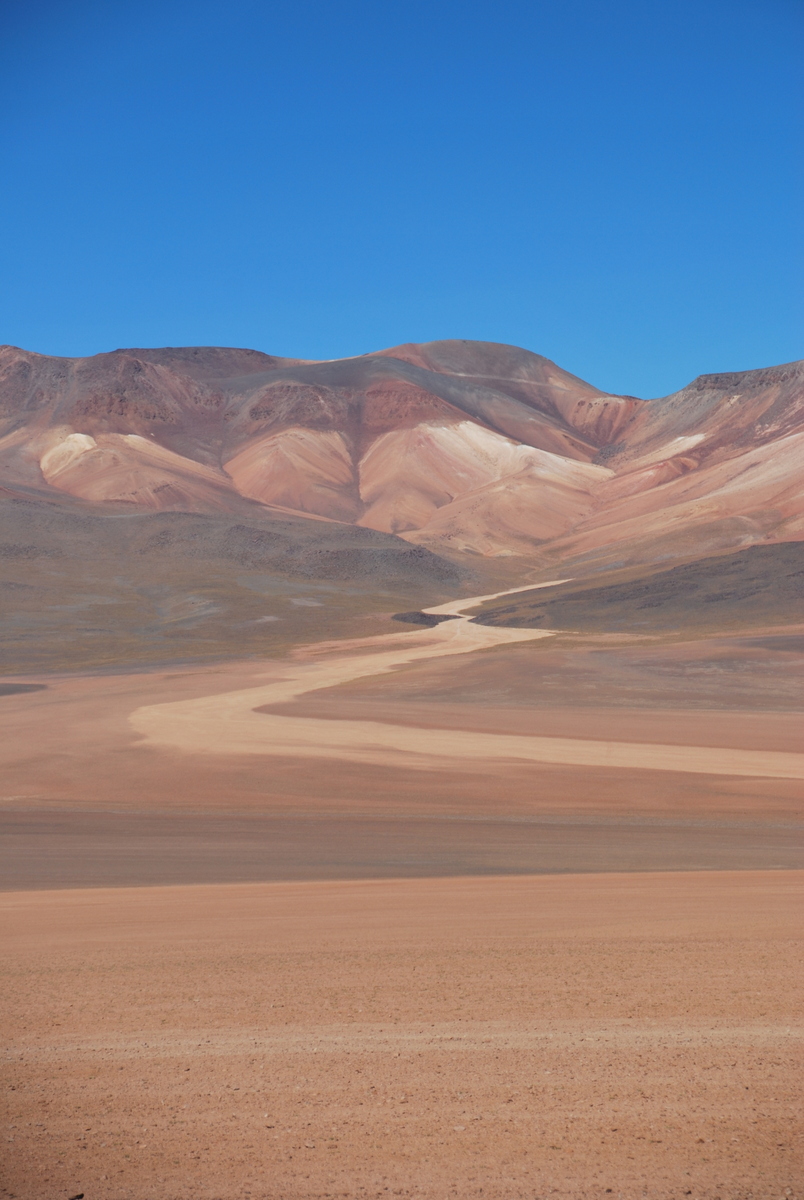
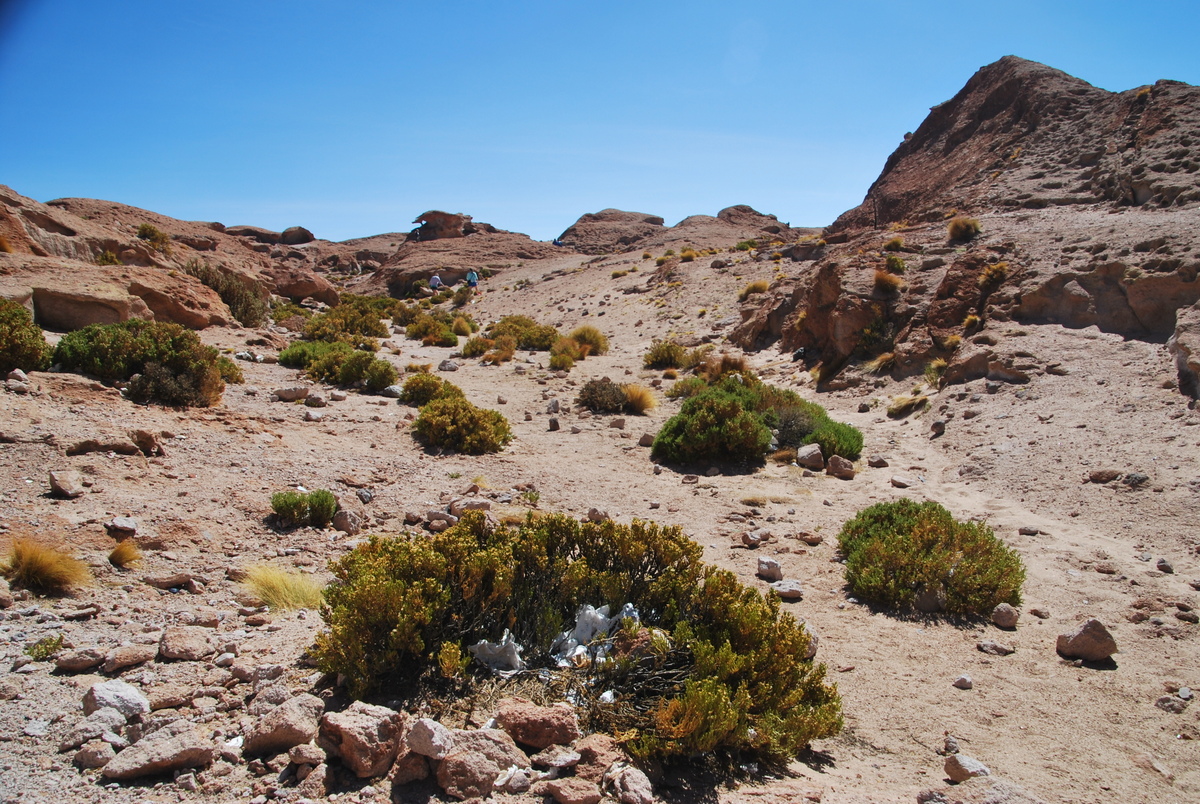
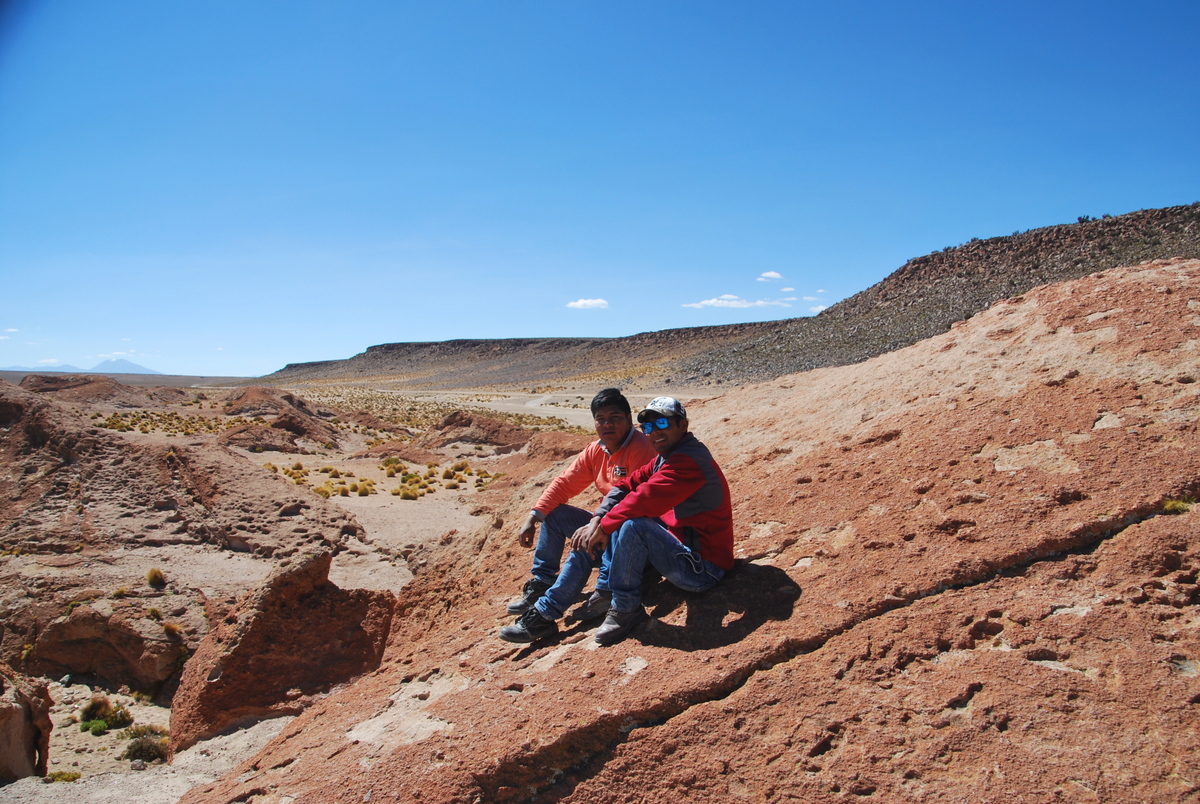
After lunch we had a quick stop at an area of exposed old lava flow. Where the rock has been exposed it has eroded less quickly than the surrounds, being harder volcanic rock. You can also see the unfortunate state of not having toileting facilities, and people not even attempting to bury their deposits. It’s a shame really. I guess the cost of putting in and maintaining toilets would be fairly prohibitive, but still. Also pictured is Elvis (with shades) and Fernando (our driver)

65-DSC_060766-DSC_061267-DSC_0613

Next up – the salt flats themselves – next post :)